Can the Magnificent Seven Carry the Market Again? A Narrow Rally Resurfaces in Mid-2026
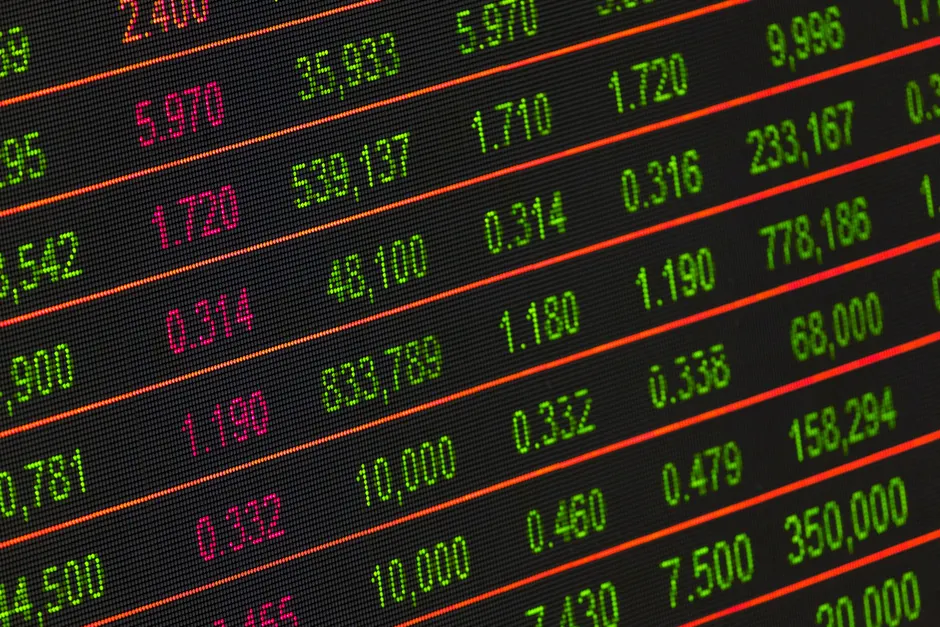
The Magnificent Seven are "quietly coming back to life in the past two weeks," according to MarketWatch, raising the familiar question of whether a handful of mega-cap technology stocks can sustain the broader equity market through the back half of 2026.
The framing is not new, but the data behind it is fresh. Morningstar, in a July 15 analysis, identified Apple as the Magnificent Seven's top performer in 2026 despite what it described as a bumpy start to the year for the stock. Nvidia, by contrast, rose merely in line with the broader market over the same period, a notable comedown for a name that had anchored the group's leadership in prior years. Morningstar
Breadth data from the same week underscores the narrowness of the advance. On July 14, the S&P 500 rose 0.47% while the Nasdaq Composite gained 1.08%. The Dow Jones Industrial Average slipped 0.04%. The divergence between the tech-heavy Nasdaq and the Dow, small in absolute terms, is consistent with a rally concentrated in large-cap growth names rather than a broad-based move. The Street
Two days later, the breadth picture had not materially improved. On July 16, the S&P 500 recorded 42 new 52-week highs against just 2 new lows. The Nasdaq Composite logged 197 new highs and 155 new lows. The S&P figure is the one worth scrutiny: 42 new highs across 500 constituents is thin gruel for a market that Reuters noted was coming off a two-day rally. The Nasdaq's 197 highs look more robust at first glance, but 155 new lows on the same exchange means nearly as many names were hitting their worst levels in a year as their best. That is not a healthy market internals profile.
The broader context here matters for portfolio construction and risk management. When a small cluster of stocks drives index-level returns, the gap between cap-weighted and equal-weighted performance widens, and active managers who diversify away from the mega-cap consensus find themselves trailing benchmarks. For ordinary investors holding passive S&P 500 exposure, the concentration risk is embedded and invisible: a handful of names can mask deterioration in the underlying index. The MarketWatch headline asks whether the Magnificent Seven can "save" a market that might be "doomed without them." The less dramatic but more precise question is whether market-cap-weighted indices are currently reflecting the health of the equity market or the health of seven stocks.
The Apple leadership dynamic adds another wrinkle. If Apple, a hardware-and-services company with a different earnings profile than Nvidia's semiconductor cycle, is now the group's top performer, the character of the mega-cap rally has shifted. Nvidia's regression to market-level returns, as reported by Morningstar, suggests the AI-driven momentum trade that dominated prior years may be normalizing, with leadership rotating to a name whose valuation case rests more on ecosystem lock-in and services revenue growth than on a secular capex boom.
None of this is predictive. The Magnificent Seven have demonstrated, repeatedly, that they can re-accelerate and drag indices to new highs even when internals deteriorate. They have also demonstrated that narrow rallies eventually face either a broadening or a correction. The July 16 breadth snapshot, with 155 Nasdaq names at 52-week lows, is a data point that cuts against the "quietly coming back to life" narrative even as the indices themselves rose.
What is known: mega-cap tech has reasserted leadership over the past two weeks, Apple leads the group, Nvidia has lagged to market-level returns, and market breadth remains uneven. What is priced in: a soft-landing scenario in which earnings growth from these seven names carries the index through year-end. What is unknown: whether the other 493 S&P constituents can eventually participate, or whether the divergence widens further from here. For savers and investors, the practical implication is straightforward. Passive index exposure today carries an implicit concentrated bet on seven stocks. That bet has paid off. Whether it continues to is a question the market will answer, not one that any analyst can resolve with confidence.


