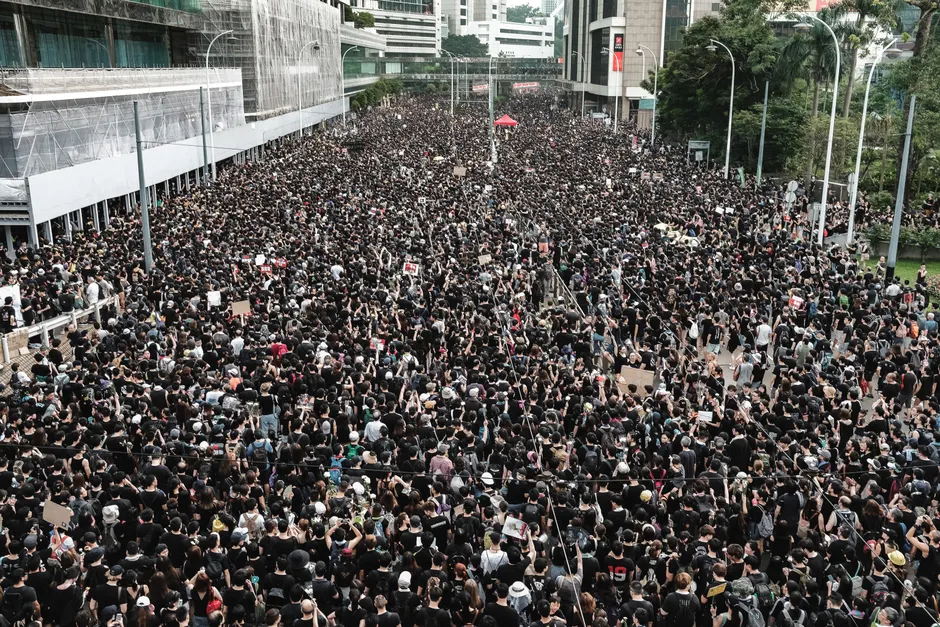
Thousands March on India's Parliament as Cockroach Janta Party Protests Exam Leak Scandal
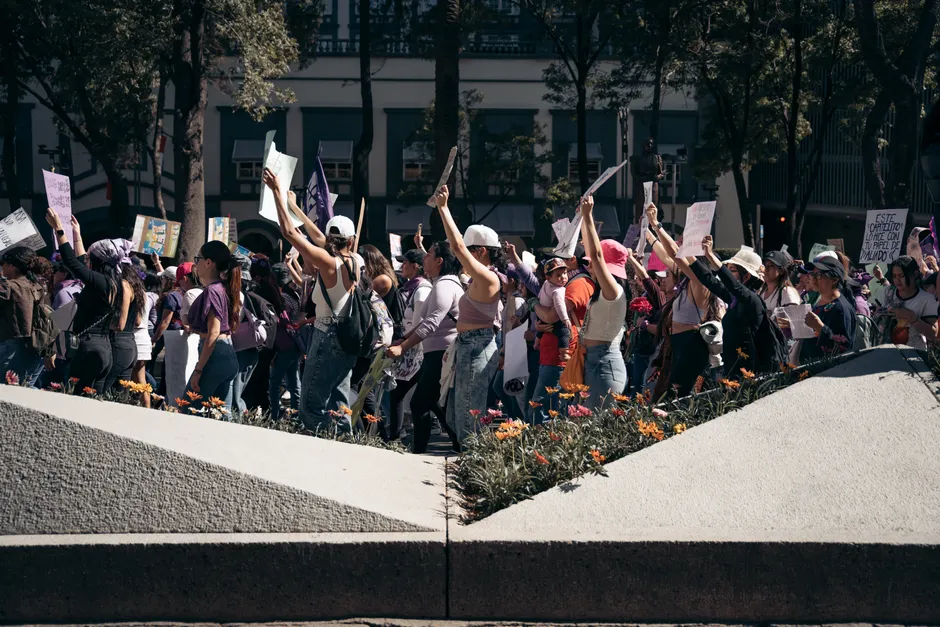
Thousands of protesters defied a police ban and marched through Delhi on Monday, July 20, 2026, demanding the resignation of Education Minister Dharmendra Pradhan over a medical entrance exam paper leak that forced more than 2 million students to retake the test and has been linked to over 20 student suicides (The Guardian).
The march was organized by the Cockroach Janta Party (CJP), a youth-led political movement founded by Abhijeet Dipke in May 2026 that began as satire before mobilizing into an organized political force. The crowd was largely composed of students and Gen Z protesters, hundreds of whom had camped out overnight in advance of the Monday march. Delhi police, which operates under central government control, denied permission for the march, imposed a ban on public gatherings, barricaded roads, and shut down internet access in the city centre. Anti-riot vehicles were deployed on Delhi streets during the march (The Statesman). Police used batons and teargas against protesters attempting to move toward the parliament building.
CJP founder Abhijeet Dipke was detained amid the protest march (DW). The day also brought a diplomatic opening: after the large turnout, the Modi government invited several CJP spokespeople for talks, and the party announced that two of its leaders would meet a senior federal minister (Reuters). On the same day, Union Home Minister Amit Shah met with Education Minister Dharmendra Pradhan (PTI).
The core grievance centers on the NEET-UG (National Eligibility cum Entrance Test — Undergraduate), India's medical entrance exam, in which over 2 million students compete for approximately 130,000 places. The exam paper was leaked to the highest bidder, forcing authorities to scrap and retake the test (Frontline). The fiasco has been linked to more than 20 student suicides. Pradhan had previously dismissed CJP supporters by calling them "terrorists."
Rhythm Katoch, a 22-year-old protester, said she was fighting for the education system, youth rights, and democracy. Harion Sharma, 18, was among those forced to retake the medical entrance exam after it was leaked. Opposition Congress party leader Priyanka Gandhi condemned the police use of force against protesters outside parliament. Activist Yogendra Yadav publicly commented that the CJP's march to Parliament would push policies (PTI).
The July 20 march was the culmination of weeks of escalating mobilization. The CJP held its first press conference on June 3, 2026, announcing a protest at Delhi's Jantar Mantar on June 6 to demand Pradhan's resignation, with Saurav Das identified as a party spokesperson (Indian Express). Dipke returned to India on June 6 to launch the protest (Indian Express). The Jantar Mantar protest continued into a second day despite police denying permission, and Dipke subsequently traveled to Mumbai to broaden the campaign (Indian Express).
Sonam Wangchuk, the engineer and educator whose advocacy inspired the film "3 Idiots," had been on an extended hunger strike as part of the CJP protests in Delhi. By July 18, the hunger strike had reached its 21st day (The Hindu). On July 18, Delhi police forcibly removed Wangchuk from his hunger strike location (New York Times; BBC). The following day, July 19, Wangchuk refused medical treatment despite counselling (The Hindu). Wangchuk had previously stated he would formally join the CJP movement if Pradhan did not resign (Indian Express). On July 18, Dipke addressed protesters at Jantar Mantar during the hunger strike.
The trajectory from satirical online formation to mass street mobilization in under three months reflects the velocity at which youth-led movements can escalate in India's current political environment. The CJP's ability to draw thousands despite a full suite of state deterrents, including internet shutdowns, barricades, and baton charges, indicates a mobilization capacity that has prompted a government response on two tracks: repression and negotiation. The simultaneous deployment of force and the offer of ministerial-level talks suggests the Modi government is weighing whether the movement can be absorbed through dialogue or whether it hardens into a durable opposition force ahead of coming electoral cycles.
The NEET-UG scandal's human toll, particularly the reported student suicides, gives the CJP's demands an emotional resonance that transcends conventional student politics. Pradhan's prior characterization of CJP supporters as "terrorists" has not been walked back, and that rhetorical framing now sits uneasily alongside the government's decision to engage the movement's spokespeople in direct talks. Whether those talks produce concessions or stall will likely determine whether the CJP consolidates into a structured political presence or remains a protest phenomenon.