Trump Imposes 50% Tariffs on Canadian Imports Across Vehicles, Dairy, and Alcohol
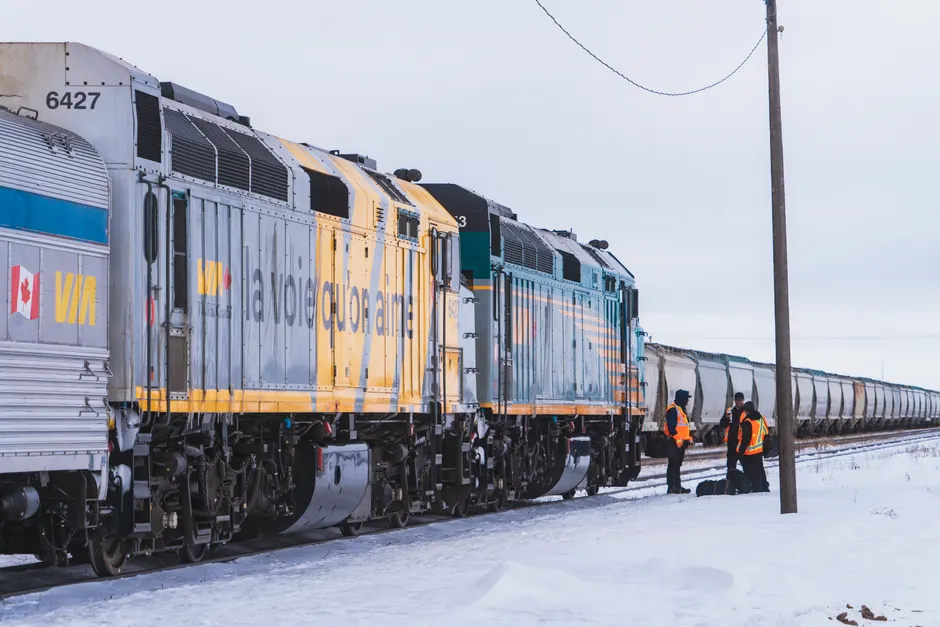
President Donald Trump signed a sweeping executive action on July 20, 2026, imposing a 50% tariff on a wide range of goods imported from Canada, with the duties set to take effect at 12:01 a.m. Eastern Time on August 19, 2026. The tariffs target both consumer items, including wine and hockey sticks, and industrial goods such as commercial cement. Energy, potash, critical minerals, and fish are exempted from the levy. (BBC News)
The White House published three Canada-specific tariff proclamations on the same date, each addressing a distinct sector. The principal executive action is formally titled "Imposing Additional Duties to Offset Canadian Discrimination Against the Commerce of the United States with Respect to Motor Vehicles" (White House). Two accompanying proclamations target alcoholic beverages and dairy under parallel legal framing: "Imposing Additional Duties to Offset Canadian Discrimination Against the Commerce of the United States with Respect to Alcoholic Beverages" and "Imposing Additional Duties to Offset Canadian Discrimination Against the Commerce of the United States with Respect to Dairy" (White House Presidential Actions).
Trump stated the tariffs were in retaliation for what he called "unequal treatment" of US cars, dairy, and alcohol. The White House separately asserted that the tariffs were necessary to protect American businesses (BBC News).
The July 20 package did not stop at sectoral tariffs. The White House also published an executive order titled "Securing America's Defense Supply Chains and Ensuring Domestic Acquisition of Critical Materials" and a proclamation titled "Further Strengthening Actions Taken to Adjust Imports of Aluminum into the United States," both on the same date (White House Presidential Actions). The latter builds on prior aluminum tariff actions: in June 2025, Trump increased Section 232 tariffs on steel and aluminum imports from 25% to 50%, effective June 4, 2025 (White House Fact Sheet, June 2025).
The tariff escalation against Canada follows a well-documented pattern. In February 2025, a White House official stated that US tariffs on Canada would stack, with duties potentially reaching 50% if all threatened measures were enacted (Reuters, February 2025). In March 2025, Trump threatened to double Canadian steel and aluminum tariffs to 50%, prompting Ontario Premier Doug Ford to suspend a planned electricity surcharge and agree to meet with Commerce Secretary Howard Lutnick in Washington (Reuters, March 2025). In July 2025, Trump imposed a 35% tariff on Canadian imports alongside a 50% tariff on copper (Reuters, July 2025). And on January 30, 2026, Trump threatened to decertify the Bombardier Global Express aircraft and impose a 50% tariff on all Canadian aircraft sold into the United States (Reuters, January 2026; AP News, January 2026).
The structural design of the July 20 tariffs warrants attention. The carve-outs for energy, potash, critical minerals, and fish are consistent with the parallel executive order on defense supply chains, suggesting the administration drew a deliberate line between tariff-exposed sectors and those deemed essential to US industrial and strategic readiness. Canada is a major supplier of potash and crude oil to the US market; exempting both signals a recognition of supply-chain dependencies even amid an aggressive tariff posture.
The framing of all three proclamations under the rubric of "offsetting Canadian discrimination" rather than under a purely national-security rationale also matters legally. Section 232 actions, which underpinned the earlier steel and aluminum tariffs, invoke national security as their statutory basis. The July 20 proclamations instead cite reciprocal trade grievances, a posture that could invite challenges under existing trade-agreement mechanisms but also aligns with the administration's stated interpretation that Canada's supply-managed dairy system and tariff-rate quotas on alcohol constitute discriminatory treatment of US commerce.
The thirty-day window between signing and implementation on August 19 gives affected importers, customs brokers, and supply-chain managers a narrow but meaningful period to adjust. For sectors where Canadian supply chains are deeply integrated with US manufacturing, particularly automotive components and construction materials, the 50% duty level is severe enough to force near-term sourcing decisions. The exemption of critical minerals, meanwhile, preserves access to inputs vital for defense and semiconductor manufacturing, even as the tariff wall rises around them.


