ADNOC's Umm Shaif Gas Cap Project: What the Record Confirms and What It Doesn't
On May 8, 2026, ADNOC published a press release noting that Austrian Chancellor Christian Stocker visited the company's headquarters in the United Arab Emirates. Dr. Sultan Ahmed Al Jaber, who serves as UAE Minister of Industry and Advanced Technology, Managing Director and Group CEO of ADNOC, Chairman of Masdar, and Executive Chairman of XRG, hosted the visit, according to the press release on ADNOC's website (ADNOC).
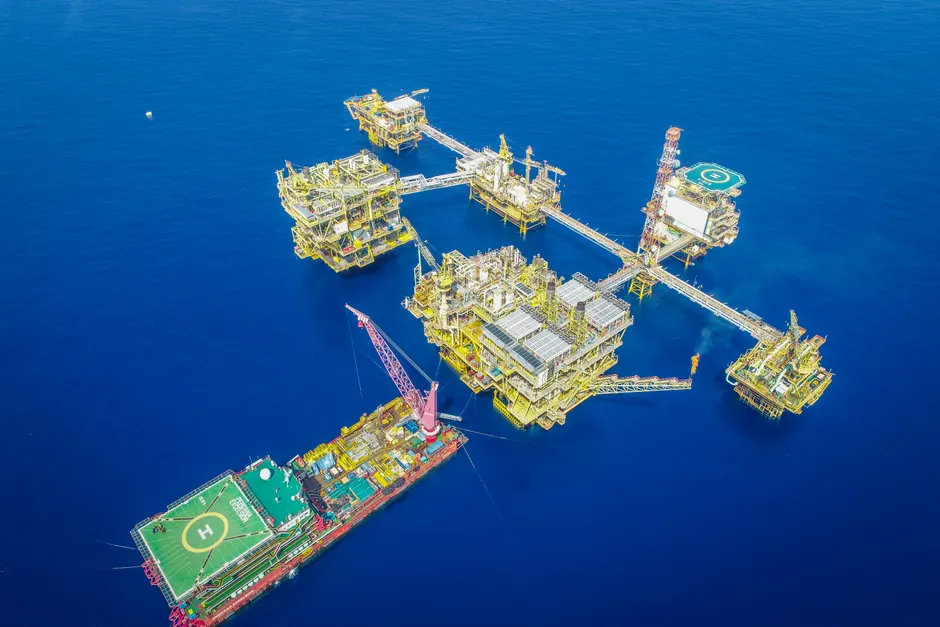
The visit surfaced in the context of reporting by The Wall Street Journal that ADNOC and partners would proceed with a $6.2 billion gas cap development at the Umm Shaif field, with TotalEnergies and CNPC named as partner companies. The WSJ item, sourced via the outlet's commodities feed, is the originating reference for the project figure and partner identities.
However, the documentary record does not corroborate key elements of that report from the named partners' side. As of the most recent Eni annual filing, Eni's 2025 Form 20-F (published March 23, 2026), Eni did not publish a press release or public filing confirming a final investment decision, the $6.2 billion figure, or TotalEnergies and CNPC as partners for the Umm Shaif gas cap project (Eni 2025 Form 20-F). Eni itself holds a 10% interest in the Umm Shaif and Nasr fields, as disclosed in the same 2025 Form 20-F.
The Umm Shaif reservoir is not a new entry in Eni's reserves reporting. The company's 2023 Form 20-F (published April 5, 2024) listed the Umm Shaif reservoir in the UAE with reserves of approximately 0.1 billion barrels of oil equivalent (BBOE) (Eni 2023 Form 20-F). The 2022 Form 20-F had previously documented Eni's 10% interest in the Umm Shaif and Nasr concession, indicating continuity of Eni's stake across reporting periods.
The distinction between concession interests and project-level partnership matters here. Eni's 10% stake in the Umm Shaif and Nasr fields pertains to the existing upstream concession. A gas cap development project, by contrast, can involve a distinct commercial structure with separate partner arrangements, capital commitments, and governance. The WSJ report's identification of TotalEnergies and CNPC as project partners, rather than Eni, is consistent with that framework, though the verified facts do not confirm it from Eni's filings.
What the verified record does establish is narrow but concrete. ADNOC publicly acknowledged the Austrian Chancellor's visit on May 8, 2026, at its headquarters. Dr. Al Jaber, whose portfolio spans ADNOC, Masdar, and XRG, hosted the visit. Eni maintains a 10% interest in the Umm Shaif and Nasr fields and has reported approximately 0.1 BBOE in reserves at the Umm Shaif reservoir. Eni's most recent annual filing does not confirm the FID, the capital figure, or the specific partner composition reported by the WSJ.
For market participants, the gap between a commodities-feed scoop and counterpart filings is not unusual. National oil companies and their partners operate on different disclosure timelines and obligations. ADNOC, as a non-listed entity, is not subject to SEC or equivalent filing requirements that would compel immediate public disclosure of an FID. Eni, as an SEC registrant, would typically disclose material investment decisions in periodic filings or press releases, but the threshold for what constitutes a reportable event under Form 20-F may differ from what a news outlet considers publishable.
The absence of a confirming Eni filing does not negate the WSJ report. It means the project's commercial terms, capital allocation, and partner structure have not yet been independently verified through Eni's disclosure channels. Whether TotalEnergies or CNPC file confirmations in their respective jurisdictions remains an open question outside the scope of the verified record.
Looking at what this means for those tracking UAE upstream activity, the Umm Shaif gas cap project, if it proceeds as reported, would target associated gas reserves in a mature offshore field where Eni already holds equity. Gas cap development typically involves managing the pressure interface between the gas cap and the oil rim, which requires coordinated offtake and reinjection strategy. The technical complexity and capital intensity implied by a $6.2 billion figure would place this among the larger gas development commitments in the region, though the verified facts do not permit confirmation of that figure.
The ADNOC press release concerning Chancellor Stocker's visit did not, based on the verified facts, contain project-specific details. The release serves as evidence of a diplomatic and commercial engagement at the CEO-head-of-government level, but the substance of the gas cap project rests on the WSJ report and remains unconfirmed by partner filings.


