Samsung's Galaxy Watch 9 and Ultra 2: Snapdragon Inside, Bigger Batteries, Thinner Cases
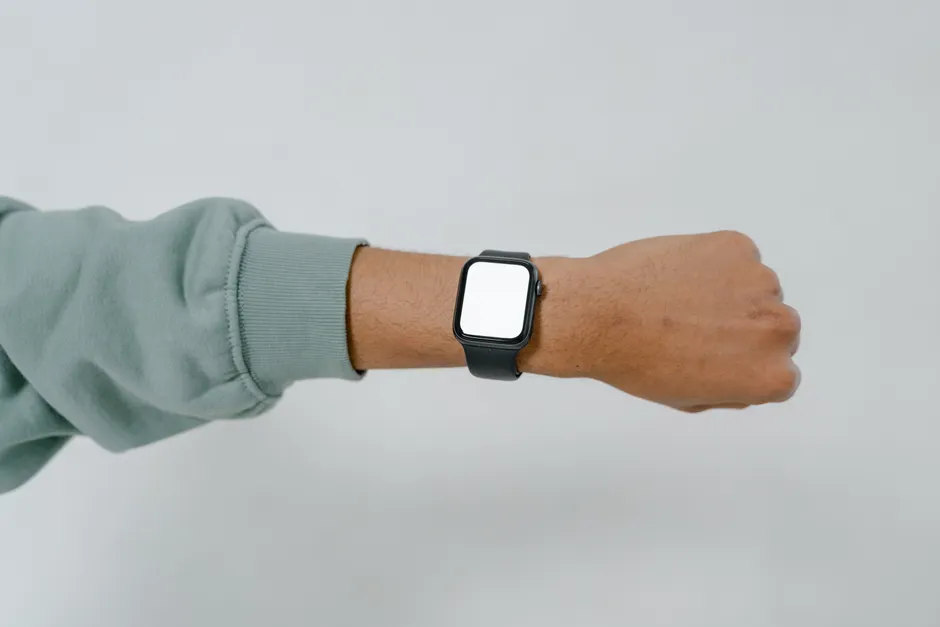
Samsung announced the Galaxy Watch 9 and Galaxy Watch Ultra 2 at its Galaxy Unpacked event on July 22, 2026, alongside new eyewear under the "Galaxy Ecosystem Into Everyday Eyewear" banner. The watches ship with Qualcomm's Snapdragon Wear Elite chipset, ending Samsung's use of its in-house Exynos silicon in the current wearable generation. The Snapdragon Wear Elite was unveiled earlier in 2026 at Mobile World Congress, positioned by Qualcomm as an AI-wearable-first platform. (The Verge)
The Galaxy Watch Ultra 2 is priced at $699.99, a $50 increase over the original Ultra. Its battery grows to 800mAh from 590mAh, a 35 percent increase. The case is 10.7mm thick, 12 percent thinner than its predecessor. The display hits 5,000 nits with thinner bezels. Durability ratings include IP69K, 10 ATM, and EN 13319 certification for dust and water resistance. (The Verge)
The standard Galaxy Watch 9 starts at $379.99, up $30 from the previous model. The 40mm variant carries a 390mAh battery, roughly a 20 percent increase over the prior generation. The 44mm model moves to 445mAh from 435mAh. Its display reaches 3,000 nits. (The Verge)
Both watches run Wear OS 7, which introduces raise-to-talk for Gemini without requiring a wake word. Lift your wrist and speak; the assistant engages directly. The Ultra 2 adds trail run tracking with GPX file download support, enabling real-time GPS route navigation and elevation guidance. A diving app built by scuba equipment manufacturer Mares is scheduled to arrive later in 2026, leveraging the EN 13319 dive-certification rating. (The Verge)
Samsung's strap design also gets attention. The Ultra 2's standard strap is about 1.9mm thick, approximately 1mm thinner than before and softer to the touch. (The Verge)
Samsung's official press release titles the launch "Samsung Galaxy Watch Ultra2 and Watch9: Your Health Companion on the Wrist," framing the devices around health. That framing is reinforced by the July 21, 2026 launch of Health Assistant Beta, which Samsung describes as the "First Fully Integrated AI-Powered Personal Health Assistant." The company teased the watches on July 14 with an article titled "Coming Soon: A New AI-Powered Health Companion on Your Wrist." The Galaxy Unpacked invitation went out July 8 with the tagline "A New Shape Unfolds." (Samsung Newsroom)
The chipset switch is the detail most likely to matter to developers and platform watchers. Samsung's Exynos wearable silicon had been the default in recent Galaxy Watch generations. Moving to the Snapdragon Wear Elite aligns Samsung's wearable stack with Qualcomm's broader AI-wearable roadmap and could simplify cross-vendor Wear OS development, since the platform's optimization baseline shifts toward a chipset other OEMs are more likely to share. The trade-off is that Samsung cedes silicon differentiation at a time when vertical integration in wearables is still contested territory.
The battery increases are substantial in percentage terms and address the most persistent complaint in the smartwatch category. A 35 percent jump on the Ultra 2 pushes the largest model closer to multi-day endurance territory even with GPS-heavy use. The thinner case, combined with a larger cell, suggests improvements in internal packaging density or a more energy-efficient node in the Wear Elite.
The price increases, $30 on the Watch 9 and $50 on the Ultra 2, are modest relative to the hardware changes but land in a category where competing devices from Garmin and Apple span a wide range. Whether consumers absorb the premium depends heavily on whether the Health Assistant Beta and Gemini integration deliver practical utility beyond what Wear OS already offers. Samsung is betting that AI-assisted health coaching, not raw sensor count, will be the differentiator that justifies the higher ask.
Worth noting: Samsung also announced eyewear at the same event. "Galaxy Ecosystem Into Everyday Eyewear" suggests the company is extending its wearable strategy beyond the wrist. The smart eyewear space has consumed substantial R&D across the industry without producing a broadly adopted consumer product. If Samsung is pairing a health-focused watch with a companion eyewear push, the two could reinforce each other, or the eyewear could prove a distraction from the more established watch line. The July 22 announcement does not include enough detail to judge which outcome is more likely. (Samsung Newsroom)
For developers, the immediate takeaways are concrete: a new Qualcomm chipset baseline, Wear OS 7 with Gemini raise-to-talk, GPX trail navigation APIs on the Ultra 2, and a Mares dive app incoming. For consumers, the proposition is bigger batteries, thinner cases, brighter screens, and a health-coaching layer that Samsung is still shipping in beta. The watches are real, the prices are set, and the AI health pitch is the variable.


