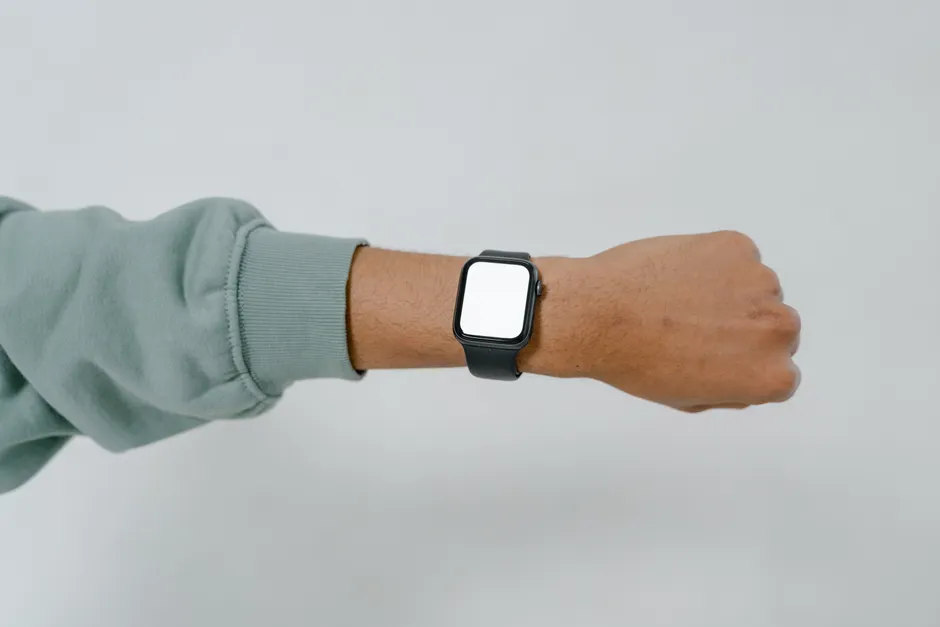
Samsung's Galaxy Watch Ultra 2: Slimmer, Tougher, and Now Dive-Certified

Samsung unveiled the Galaxy Watch Ultra 2 at its Galaxy Unpacked event on July 22, 2026, alongside the Galaxy Watch9, the Galaxy Z Fold8 Ultra, Galaxy Z Fold8, and Galaxy Z Flip8 (Engadget, Samsung Newsroom). The second-generation Ultra trims 12 percent off the thickness of its predecessor, a reduction Samsung says came from re-engineering the watch's internal components rather than shrinking the battery. In fact, the battery grew: from 590mAh in the first-generation Ultra to 800mAh in the Ultra 2. Samsung claims that translates to 60 hours of endurance with the Always On Display enabled.
The 47mm case uses a shock-resistant titanium casing and carries an IP69K rating, meaning complete dust ingress protection and the ability to withstand high-pressure, high-temperature water jets. Water resistance is rated at 10 ATM, submersible to 100 meters (328 feet). Samsung validated the rating by testing in 5 percent salt water and chlorinated water. The watch also obtained EN13319 dive compliance certification, the European standard for recreational diving instruments. On-watch dive tracking covers real-time depth, time, and water temperature. A dedicated Ultra 2 Diving app, arriving later this year, will add ascent and descent speed plus safe dive limits to the on-screen data.
The display is a 1.52-inch Super AMOLED panel. Storage comes in at 64GB with 2GB of RAM. The Ultra 2 is powered by the Snapdragon Wear Elite Platform, a chipset that also enables the on-device AI capabilities Samsung is building into the Wear OS experience. Samsung teased this AI angle the week before Unpacked with a July 14 newsroom post titled "Coming Soon: A New AI-Powered Health Companion on Your Wrist," and the Unpacked invitation itself, published July 8, carried the tagline "A New Shape Unfolds" (Samsung Newsroom).
Pre-orders are live in the US in Titanium Silver and Titanium Gray at $700, with general availability starting August 7 (Engadget).
What stands out here is the engineering tension Samsung appears to have navigated. Making a rugged watch 12 percent slimmer while simultaneously increasing battery capacity by roughly 36 percent is not trivial. The first-generation Ultra was already a thick, purpose-built device; carving a eighth off its profile and still growing the power budget means the internal layout, thermals, and component stacking all had to change. Samsung's statement that this was achieved through re-engineering internal components is deliberately vague, but the outcome is concrete: a larger battery in a thinner package.
The dive certification pushes the Ultra 2 into a niche that most smartwatches do not seriously address. EN13319 compliance is a real standard, not a marketing badge, and the planned Diving app with ascent/descent rate and safe-limit calculations suggests Samsung is positioning this device as a legitimate backup dive instrument, not just a fitness watch with a depth sensor. Whether the diving community treats a Wear OS device as trustworthy enough to rely on at depth is a separate question, and one that will take time and independent testing to answer.
The Snapdragon Wear Elite Platform is the other element worth noting. Qualcomm's wearable silicon has historically been a constraint on what Android smartwatches could do, particularly around always-on display efficiency and on-device inference. Samsung's emphasis on AI capabilities enabled by the chipset suggests the Ultra 2 will push more processing on-wrist rather than relying on a paired phone. The 800mAh battery and 60-hour AOD claim will be the real-world test of whether that silicon delivers meaningful efficiency gains or simply draws more power.
At $700, the Ultra 2 sits in the same pricing territory as the first-generation model and well above mainstream Wear OS watches. The buyer is paying for the titanium build, the dive certification, the larger battery, and whatever on-device AI features Samsung ships. The August 7 availability date gives Samsung roughly two weeks of pre-order momentum before the device reaches store shelves.