Rubio Meets Wang Yi in Manila as U.S. Signals Momentum Toward Trump-Xi Summit

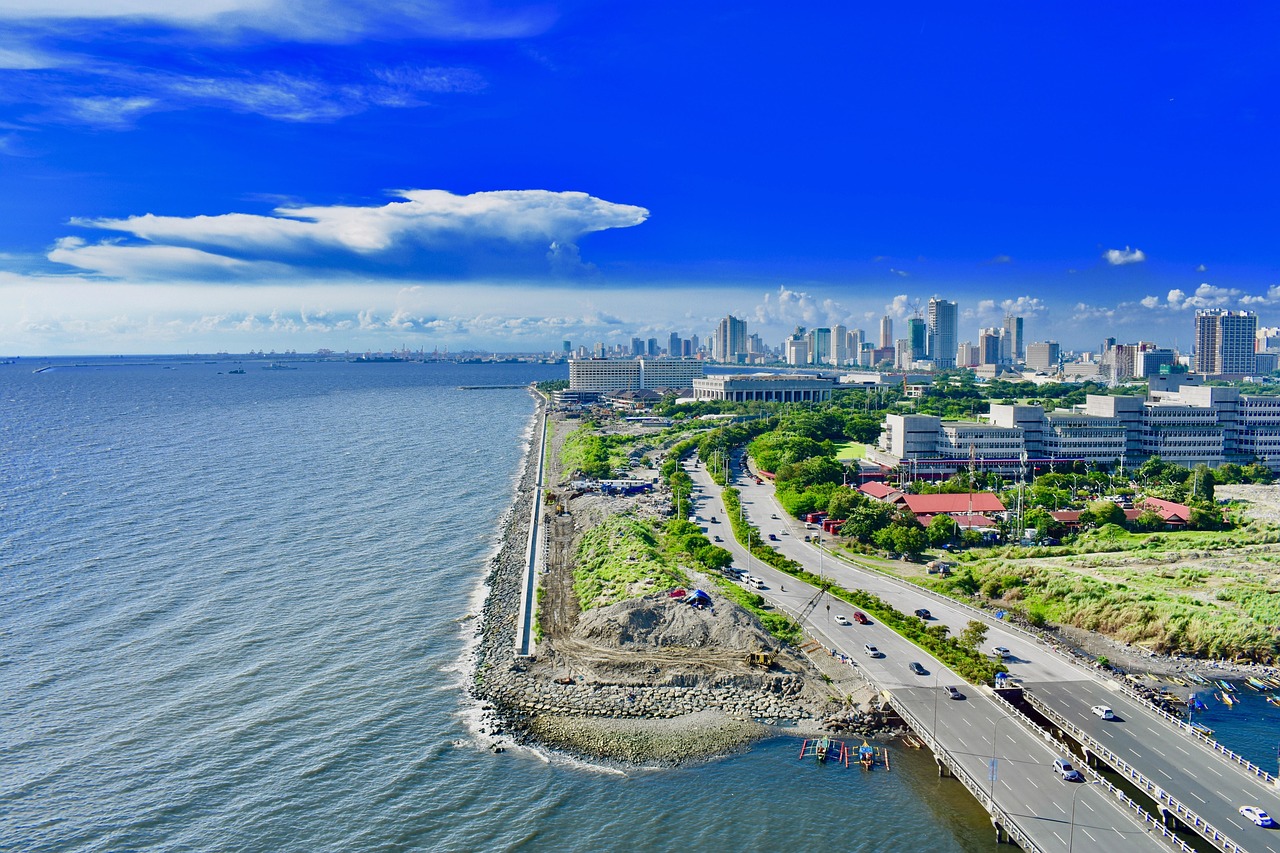
Secretary of State Marco Rubio met with Chinese Foreign Minister Wang Yi in Manila on July 22, 2026, on the sidelines of the ASEAN Regional Forum, in what U.S. officials had telegraphed as a preparatory session for a second Trump-Xi summit anticipated later in the year. The meeting, listed on the State Department's public schedule for a 4:00 p.m. local time slot, was one of several high-level diplomatic encounters Rubio held in the Philippine capital on the same day. (State Department)
Wang's presence in Manila was confirmed on July 20 by Chinese Foreign Ministry Spokesperson Lin Jian, who announced at a regular press conference that Wang would attend ASEAN meetings in the Philippines. (Chinese Foreign Ministry) The ASEAN Regional Forum, which Rubio planned to participate in, is a broad multilateral gathering that includes not only Indo-Pacific states but also the European Union and the Russian Foreign Minister, making it one of the few diplomatic venues where adversarial powers sit at the same table. (AP)
The Rubio-Wang meeting was expected to focus on preparations for a Trump-Xi leaders' summit, according to a Reuters report from July 17. (Reuters) President Trump has stated that Chinese President Xi Jinping would visit the United States at the end of September 2026, and Secretary Rubio affirmed on July 19 that the summit was still anticipated. As of July 21, China had not confirmed the visit. (Reuters)
The groundwork for a second leaders' meeting has been laid over months. In March 2026, Wang Yi stated that an agenda for a Trump-Xi leaders' meeting was on the table, signaling Beijing's openness to a follow-on engagement even amid broader bilateral frictions. (Reuters) The July 22 Manila session fits the pattern of foreign-minister-level consultations serving as the operational track for summit preparation, where working-level disputes over agenda items, modalities, and sequencing get narrowed before leaders convene.
Beyond the bilateral with China, Rubio's Manila schedule was dense with Indo-Pacific engagements. He met with Indian External Affairs Minister S. Jaishankar, with the State Department issuing a readout on July 22. (State Department) He also held a trilateral meeting with Republic of Korea Foreign Minister Cho Hyun and Japan's Foreign Minister, for which the State Department published a readout attributed to Spokesperson Tommy Pigott. (State Department)
The Quad foreign ministers, who include the U.S., India, Japan, and Australia, issued a Joint Statement on Cooperation with ASEAN on July 22. A related State Department item referenced Malacañan Palace in Manila, the seat of the Philippine presidency, as a venue for Quad-related engagements. (State Department)
The concentration of these meetings in a single day and location reflects Manila's role as host of the ASEAN ministerial cycle, which draws foreign ministers from across the Indo-Pacific and beyond for a compressed week of bilateral, trilateral, and multilateral encounters. The forum allows officials to conduct dense shuttle diplomacy without the overhead of separate bilateral visits, which is particularly useful when a summit between leaders is in the preparatory phase.
Looking at what this means for the trajectory of U.S.-China relations in 2026, the Manila meeting serves as a temperature check. The fact that the Rubio-Wang session proceeded as scheduled suggests that the preparatory track for a September Trump-Xi summit remains on course from the U.S. side. The absence of a Chinese confirmation of Xi's visit, while not unusual at this stage in the diplomatic calendar, means the timing and conditions of the summit remain subject to Beijing's calibration. China typically confirms leader-level visits only after working-level consultations have resolved outstanding disagreements on agenda framing, and the July 22 session is consistent with that process.
The broader context here is a U.S. diplomatic posture that treats the Indo-Pacific as an integrated theater. Rubio's back-to-back meetings with China's top diplomat, India's external affairs minister, and the ROK-Japan trilateral on the same day in the same city illustrate how the U.S. is managing bilateral relationships with regional powers simultaneously, rather than sequentially. The Quad's joint statement on ASEAN cooperation further positions the grouping as a partner to Southeast Asian institutions rather than a competing architecture, a framing that matters for ASEAN states cautious about being drawn into great-power competition.