Rubio and Wang Yi Meet at ASEAN in Manila, Lay Groundwork for Trump-Xi Summit
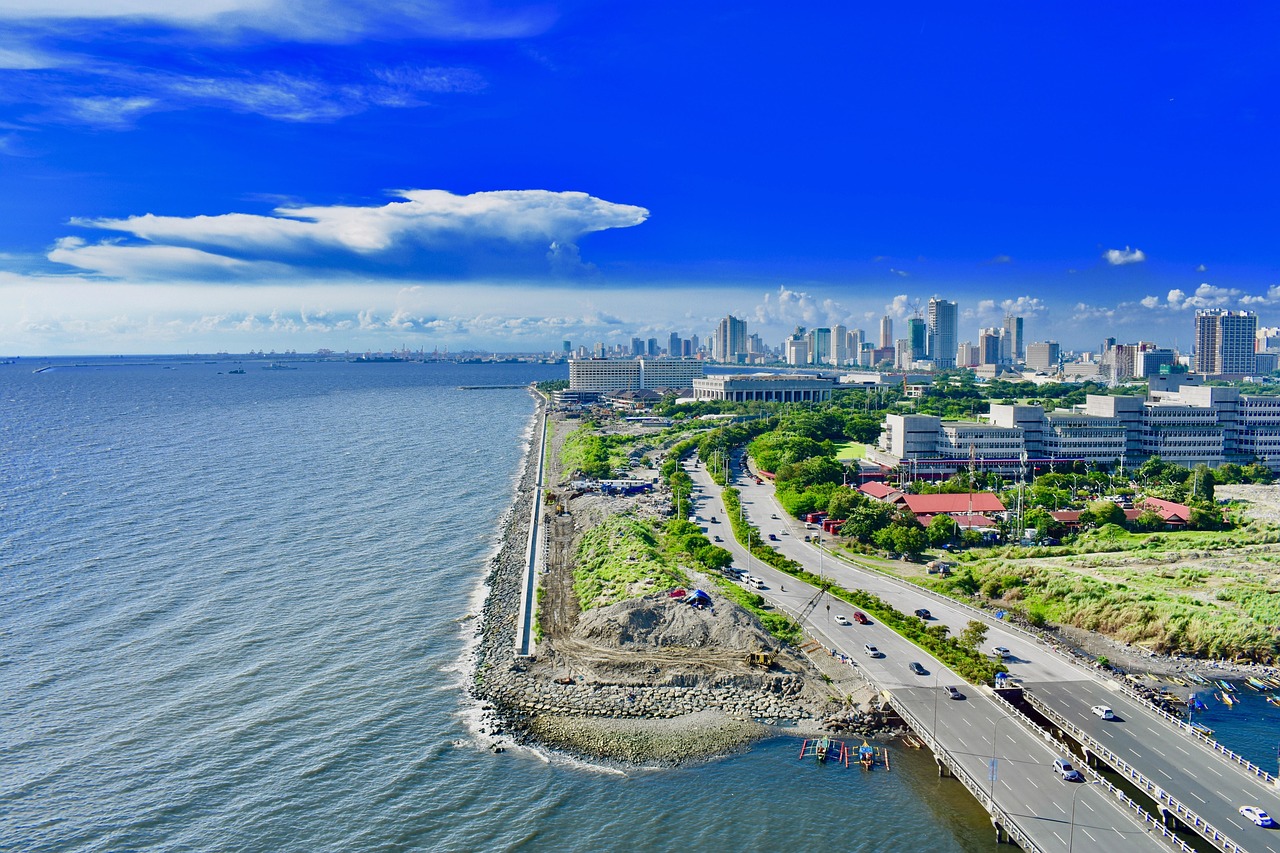
US Secretary of State Marco Rubio met Chinese Foreign Minister Wang Yi on the sidelines of the ASEAN foreign ministers' meeting in Manila on Wednesday, July 22, 2026, with both sides signaling an intent to manage bilateral tensions ahead of a planned summit between President Donald Trump and President Xi Jinping. Xi's visit to the US is expected in September 2026, and the Manila meeting served as a preparatory step for that encounter.
Rubio, whose official travel to Manila spanned July 19–23, described the US-China relationship as one marked by "great differences" likely to persist "for the foreseeable future." He said he and Wang discussed the need to manage those disagreements to ensure Xi has a "very positive visit" to the United States. According to an official Chinese summary, Wang told Rubio that the US must "respect China's core interests … effectively manage differences and disagreements, and address China's legitimate concerns." China's Ministry of Foreign Affairs characterized the talks as "pragmatic, positive and constructive," and said both sides agreed to "make sound preparations for the next stage of high-level exchanges."
The meeting took place against a backdrop of multiple frictions. Relations between Washington and Beijing were already complicated by Trump's accusations that China meddled in US elections, which Beijing dismissed as "pure fabrication." Two additional flashpoints loomed over the ASEAN gathering: China's conduct in the disputed South China Sea and the US war against Iran. ASEAN countries expressed concerns about both during the sessions.
Just two days before the Rubio-Wang meeting, a confrontation between Chinese and Philippine vessels at the disputed Second Thomas Shoal on Monday, July 20 left a Philippine sailor injured. The Philippines said a Chinese coastguard member struck a Philippine navy staff member on the head with a wooden baton. China countered that Philippine personnel attacked first and accused Philippine vessels of ramming a Chinese patrol boat. Rubio said the altercation benefited nobody and reiterated that Washington is bound by a mutual defence treaty to stand up for the Philippines, declaring, "We intend to live up to our treaty obligations."
The US has been materializing that commitment. Washington increased military financing for the Philippines to $100 million for fiscal year 2026. A State Department fact sheet detailed an additional $9 million to expand a coastguard pier on the island of Palawan "to enhance Philippine maritime law enforcement presence and sustain operations in the South China Sea." On Tuesday, July 21, Rubio published an opinion piece in Philippine media warning of "dire new threats" if the South China Sea were to "fall under the control of a power willing to use commerce as a geopolitical weapon."
The maritime dispute is structural, not episodic. Beijing claims sovereignty over nearly the entire South China Sea through a line on its maps that cuts into the exclusive economic zones of Brunei, Indonesia, Malaysia, the Philippines, and Vietnam. ASEAN members with competing claims have sought a binding code of conduct for years, but negotiations remain unresolved.
The broader context here is one of dual-track diplomacy. On one track, Washington and Beijing are visibly investing in summit preparation, with both sides using diplomatic language that emphasizes pragmatism and preparation. On the other, the South China Sea is producing kinetic incidents at an operational level. A sailor injured by a baton, a coastguard pier expansion, and $100 million in military financing are not background noise; they are the concrete terrain on which great-power competition and regional sovereignty disputes intersect.
The Manila meetings also served as a venue for ASEAN's own anxieties. Rubio described the ASEAN summit as the United States' "primary way of engaging the region," and his attendance at the ASEAN Post-Ministerial Conference and the East Asia Summit Foreign Ministers' Meeting underscored that framing. ASEAN states did not confine their concerns to China; they also raised the Iran war, signaling that Southeast Asian capitals view Middle East instability as a threat with downstream consequences for energy security and trade.
Wang Yi's travel to the ASEAN meetings was addressed at a Chinese Foreign Ministry regular press conference on July 20, where spokesperson Lin Jian fielded questions about the agenda and Rubio's attendance. The parallel messaging from both capitals — Washington emphasizing treaty obligations and regional engagement, Beijing emphasizing "core interests" and "constructive" talks — reflects a familiar pattern in US-China diplomacy: each side locks in its public position while quietly building the runway for a leadership-level encounter.
What distinguishes the September summit preparation from routine diplomatic choreography is the density of unresolved disputes. Election meddling allegations, active maritime confrontations, a separate US war in the Middle East, and competing visions for regional order all sit on the agenda. The Rubio-Wang meeting did not resolve any of these. It established that both governments intend to keep the September visit on track despite them — and that both are willing to absorb the political cost of appearing conciliatory while their forces and proxies remain in confrontation.
For ASEAN, the calculus is more immediate. The bloc's members are navigating between a US security presence that is deepening through military financing and infrastructure investment, and a Chinese presence that is operational on the water. The Manila gathering gave them a platform to register those concerns directly with both powers. Whether either power adjusts its behavior in response is a question the September summit may begin to answer.


