US-Saudi Civil Nuclear Cooperation Deal: Section 123 Agreement Opens Door to Domestic Enrichment

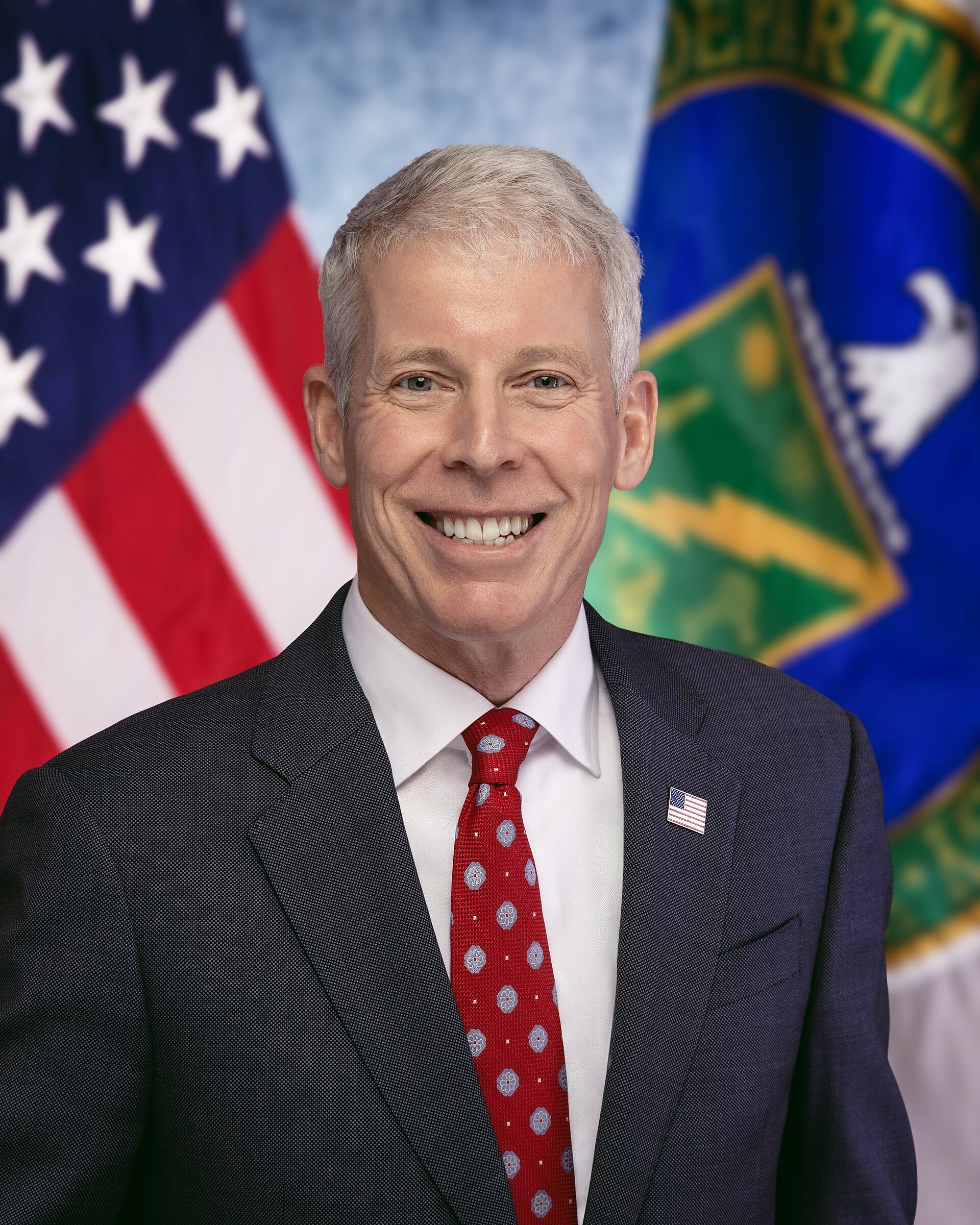
The U.S. and Saudi Arabia announced a civil nuclear cooperation agreement on July 22, 2026, opening a new chapter in one of Washington's most protracted and geopolitically loaded bilateral energy negotiations. The deal — a Section 123 agreement under the Atomic Energy Act of 1954, paired with a bilateral safeguards accord — was personally approved by President Donald Trump and unveiled in a statement by Energy Secretary Chris Wright, who described it as a "decades-long, multi-billion-dollar partnership" (Al Jazeera).
The structure will be familiar to nonproliferation specialists. A Section 123 agreement is the statutory prerequisite for any significant transfer of U.S. nuclear material, equipment, or technology to a partner country. It sets the nonproliferation conditions, including safeguards, reprocessing consent rights, and physical security commitments, under which such cooperation proceeds. The accompanying bilateral safeguards agreement adds a verification layer, though the Department of Energy's statement did not specify whether Saudi Arabia would be permitted to enrich uranium domestically, leaving that central question unresolved in the public announcement (Al Jazeera). The enrichment question has long been the principal sticking point in U.S.-Saudi nuclear talks; Riyadh's insistence on domestic enrichment and Washington's traditional resistance to it under the "gold standard" precedent set by the U.S.-UAE 123 agreement have been the core tension for over a decade.
The most consequential operational detail comes from the Wall Street Journal's reporting: a key provision of the accord would have U.S. companies build a uranium-enrichment facility inside Saudi Arabia, contingent on the findings of a joint U.S.-Saudi study. If that study greenlights the project, it would represent a departure from the gold-standard approach and would place enrichment infrastructure on Saudi soil. The Trump administration framed the deal as creating U.S. jobs, reinforcing global nonproliferation standards, and strengthening the strategic partnership with Riyadh. The agreement now heads to Congress for review, where lawmakers face a high legislative bar to block it, requiring a joint resolution of disapproval (WSJ; Al Jazeera).
The announcement is the culmination of a negotiation track stretching back to at least 2012, when the United States first entered sustained discussions with Saudi Arabia regarding a potential 123 agreement (DOE, 2019). The relationship has been progressively built out across multiple energy dimensions. In May 2025, the two countries signed a Memorandum of Cooperation establishing a framework for collaboration on critical mineral supply chains (DOE). A separate Memorandum of Understanding on nuclear energy cooperation appears on the DOE website with a page dated June 30, 2026 (DOE). In November 2025, Secretary Wright and the Saudi energy minister signed the civil nuclear cooperation deal, according to a DOE retrospective on the administration's first year, meaning Wednesday's announcement formalizes and publicly unveils an accord whose signing occurred months earlier (DOE, January 2026).
The regional architecture has been moving in parallel. A U.S.-Gulf Cooperation Council ministerial meeting convened in Manama on June 25, 2026, and the GCC Secretariat has been reviewing progress on the GCC–U.S. workshop for the Foundational Infrastructure for Responsible Use of Small Modular Reactor Technology (SMR-FIRST) programme, an initiative aimed at building regulatory and institutional capacity for advanced reactor deployment across Gulf states (SPA; SPA). That programme signals that the bilateral Section 123 agreement sits within a broader multilateral framework for nuclear infrastructure development in the Gulf.
The broader context here is the intersection of three strategic currents: U.S. commercial nuclear export policy, Saudi Arabia's Vision 2030 diversification agenda with its large-scale civil nuclear power aspirations, and the nonproliferation regime's effort to manage enrichment-cycle technology in a volatile region. The deal's enrichment provision, even gated behind a joint study, will draw scrutiny from nonproliferation advocates and from regional actors, particularly Israel and the UAE, who may see a precedent that weakens the gold standard. Congress, which has historically resisted Saudi enrichment ambitions on a bipartisan basis, will now weigh a deal that explicitly contemplates that outcome.
The administration's argument that the agreement reinforces nonproliferation standards rests on the proposition that a U.S.-safeguarded program with U.S. companies on the ground is preferable to Riyadh pursuing nuclear cooperation with alternative partners under weaker conditions. Whether Congress accepts that logic, and whether the joint enrichment study ultimately endorses domestic capability, will determine whether this agreement consolidates U.S. influence over Saudi nuclear development or becomes a flashpoint in the broader debate over enrichment rights. The deal's submission to Congress begins a review period during which the legislative branch can either accept the agreement by inaction or attempt to block it through a joint resolution, setting the stage for a nonproliferation debate that will engage committees with jurisdiction over nuclear commerce, foreign affairs, and intelligence oversight.