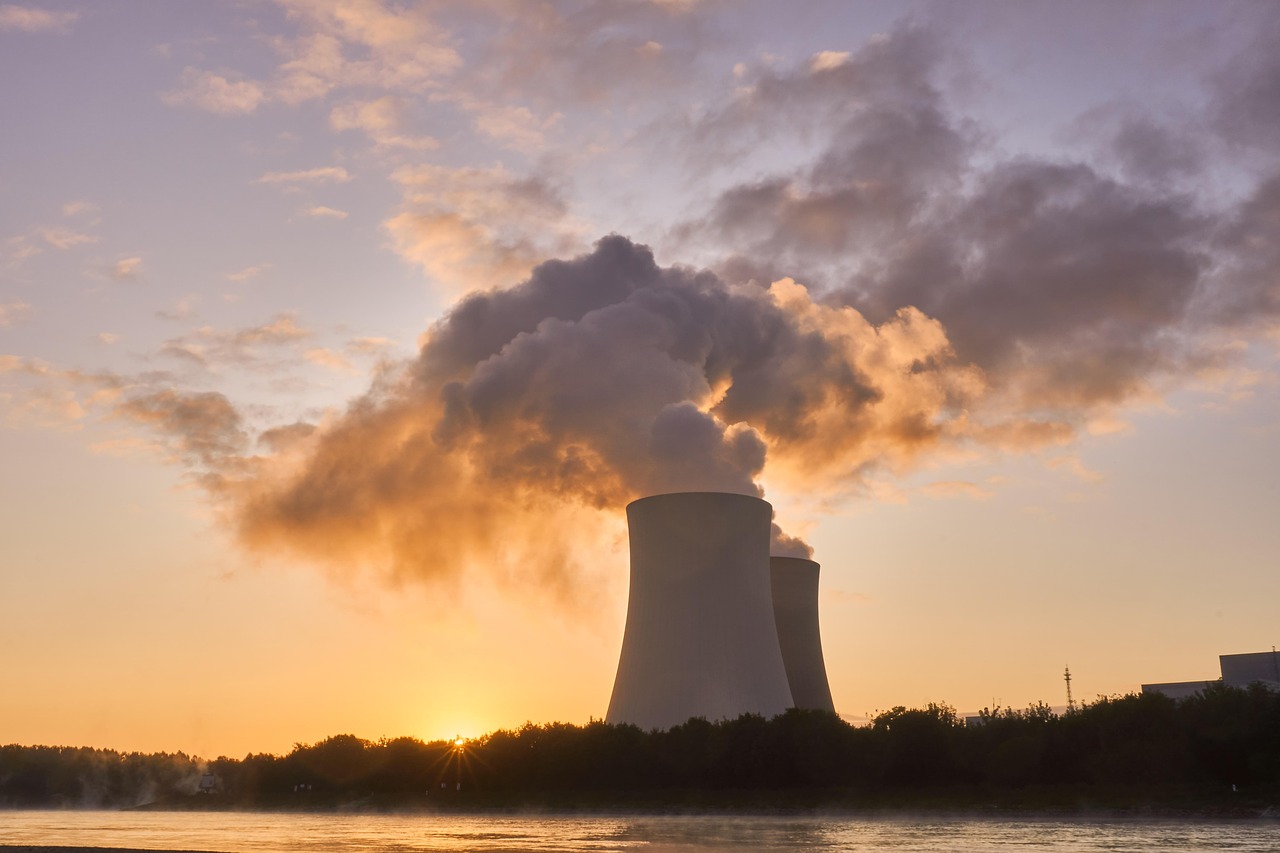
US and Saudi Arabia Sign Civil Nuclear Cooperation Agreement
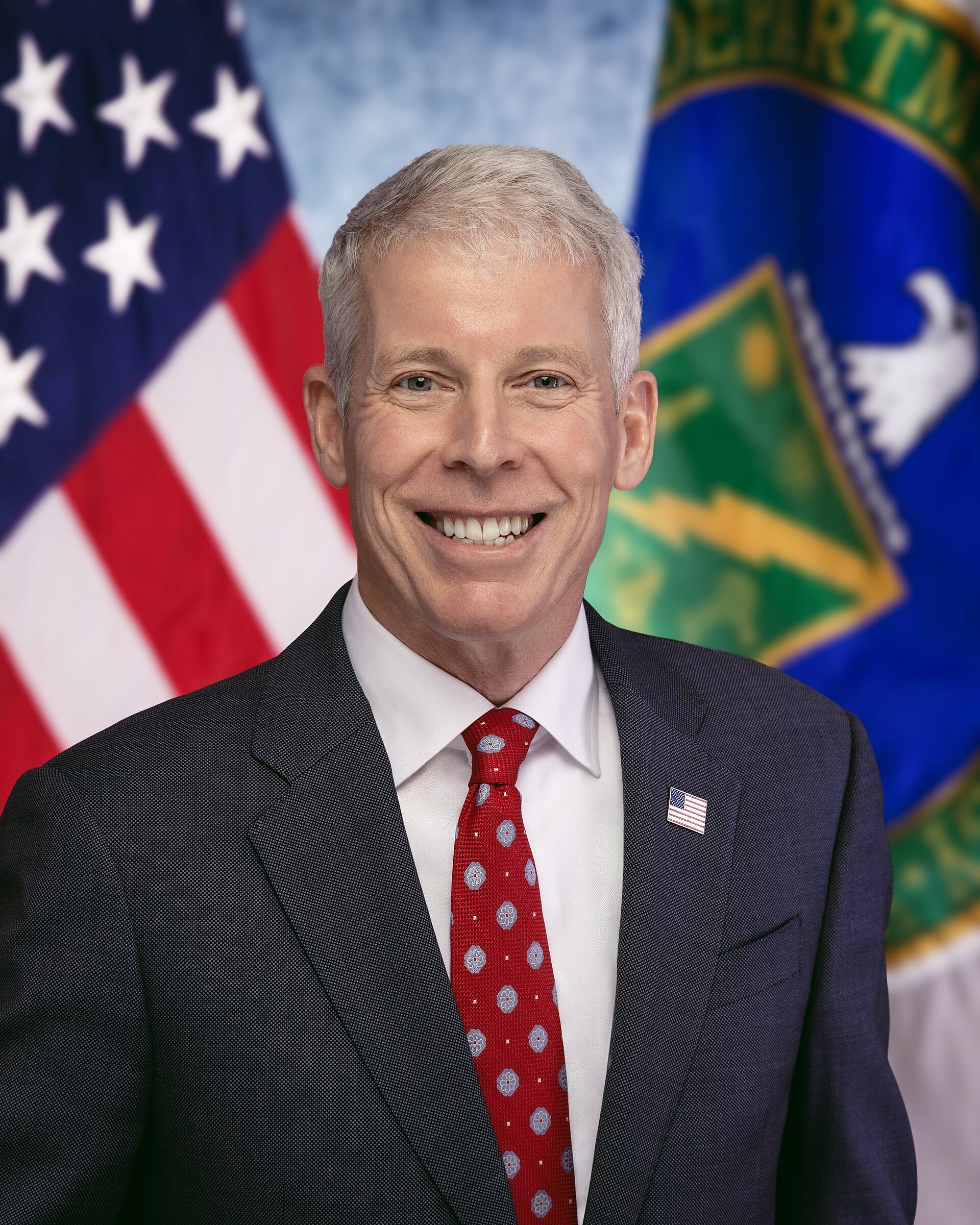
The United States and Saudi Arabia signed a nuclear cooperation deal on July 22, 2026, establishing the legal framework for transferring nuclear material, technology, and expertise from the US to the Kingdom. US Energy Secretary Chris Wright and Saudi Energy Minister Prince Abdulaziz bin Salman signed two instruments: a "peaceful nuclear cooperation agreement" and a "bilateral safeguards agreement," according to The Guardian.
The US Department of Energy announced the partnership the same day, describing it as part of a "decades-long, multi-billion-dollar partnership" in a press release published at energy.gov. Secretary Wright stated that the agreements "uphold the highest standards of nuclear safety and nonproliferation" and credited President Trump for an "American nuclear renaissance." The DOE framed the deal as a vehicle to expand American nuclear technology exports, create high-paying US jobs, and strengthen the country's energy and national security posture.
The agreement functions as what CNN described in a July 17 report as a baseline legal framework enabling US companies or the government to transfer nuclear material and technology to Saudi Arabia (CNN). A bilateral safeguards agreement runs alongside the cooperation pact, though the specific inspection regime it mandates has not been publicly detailed in the materials released.
The DOE's announcement quoted officials saying: "Today is a historic day for the United States and the Kingdom of Saudi Arabia. We've come together on a deal for civil nuclear cooperation" (DOE). Westinghouse CEO Dan Sumner, in a statement to CBS News, called the deal a "landmark step" for energy security, US industry, and economic growth.
The agreement will now be transmitted to Congress for review. Under Section 123 of the US Atomic Energy Act, such cooperation agreements are subject to a statutory review period during which lawmakers can vote to block the deal. The Guardian reports that the agreement could face pushback from legislators, though the specific grounds for objection have not been articulated in the materials released so far.
The announcement arrives while the United States remains engaged in a war with Iran. Defense Secretary Pete Hegseth, appearing before the Senate appropriations committee on July 21, 2026, said the conflict has cost $37.5 billion and requested additional funding. The timing of the nuclear agreement with Riyadh, a regional rival of Tehran, intersects with an active US military engagement in the theater, though the DOE materials make no direct connection between the two.
The broader context here is worth mapping carefully. A US-Saudi nuclear cooperation agreement has been under discussion for years, with successive American administrations weighing Saudi requests for a domestic civil nuclear program against nonproliferation concerns. The 123 agreement mechanism is the standard instrument Washington uses to govern such transfers; it requires the partner state to commit to safeguards, typically including IAEA inspections and constraints on enrichment and reprocessing. What the bilateral safeguards agreement signed alongside the cooperation pact actually locks in, beyond what Secretary Wright described, will be the subject of close scrutiny from proliferation analysts and congressional staff.
For the US nuclear industry, the agreement opens a path into a market that Saudi Arabia has signaled it intends to develop at scale. Westinghouse's public endorsement of the deal signals the interest of American reactor manufacturers in Gulf nuclear procurement. The DOE's jobs and exports framing aligns the agreement with the administration's domestic industrial priorities.
The congressional review period is the next concrete milestone. Lawmakers have historically used 123 agreement reviews to probe the nonproliferation conditions, the scope of technology transfers, and the strategic rationale for nuclear cooperation with specific partners. Given the active conflict with Iran and the geopolitical weight of Saudi-Iranian rivalry, the review is unlikely to be a pro forma exercise.