Armed Attackers Kill More Than 20 in Zamfara State, Northwest Nigeria
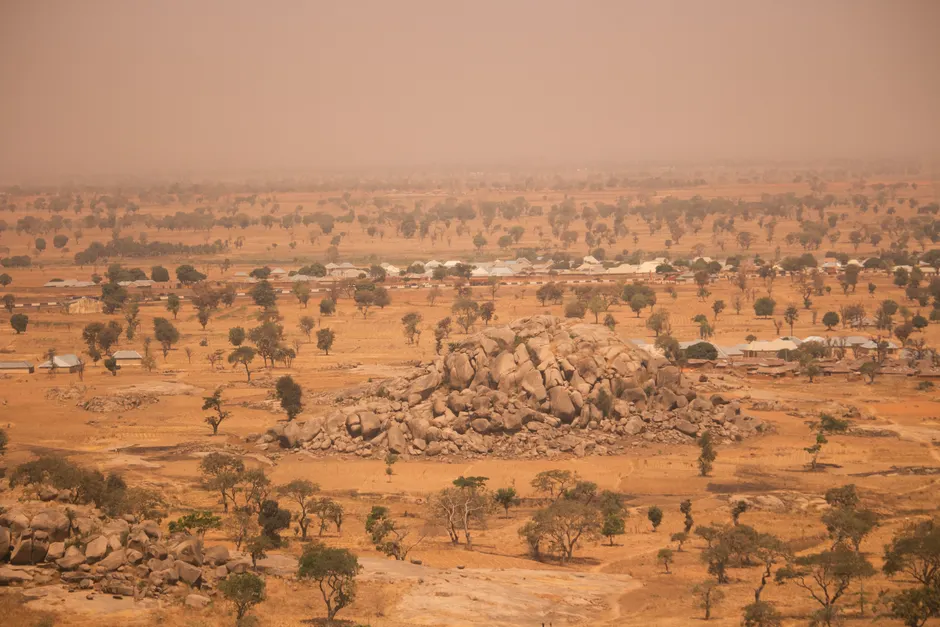
Armed gang members killed at least 20 people in a multi-village assault on communities in the Sauna district of Zamfara State, northwest Nigeria, according to the AFP news agency. The attack targeted settlements within the Talata Mafara local government area, a zone that has been a recurrent flashpoint for banditry in the country's northwest.
Nasiru Lauwali, the representative for the Sauna district, told AFP that a large number of bandits invaded the communities. The AFP report carrying the casualty figure was datelined Gusau, Nigeria, on July 23, 2026, and was republished by Al Jazeera Al Jazeera. The precise death toll may rise; reporting from rural Zamfara is consistently hampered by poor communications infrastructure and the remoteness of affected villages.
The Zamfara attack follows a separate security incident reported late on Tuesday, July 21, 2026, when Nigerian security forces killed at least three suspected bandits in Kwara State, according to The Punch news website. During that operation, forces rescued a businessman identified as Tuhkur Sanni.
The violence this month has not been confined to the northwest. Earlier in July 2026, dozens of students and teachers were freed 56 days after being kidnapped from three schools in Oyo State, in Nigeria's southwest. President Bola Tinubu's office said eight suspected kidnappers were arrested and an unspecified number were killed during the rescue operation. Defence Minister Christopher Musa said the Oyo kidnapping suspects had planned to use the hostages as leverage to pressure the government into releasing some of their commanders from prison. That detail points to a coercive ransom-and-bargain model that has matured across multiple regions of the country.
The economic engine behind these attacks is kidnapping for ransom. In 2024, attackers in Nigeria earned more than $1.6 million in ransom payments, according to SBM Intelligence, a Lagos-based research firm. The Oyo abduction case, in which hostages were held for nearly two months and the perpetrators' apparent objective extended beyond cash to prisoner releases, suggests the operational logic of these groups is evolving toward longer-term strategic bargaining.
The broader context here matters for assessing the trajectory of Nigeria's inland security crisis. Zamfara, in particular, has been the epicenter of a banditry conflict that fuses artisanal gold-mining economies, weak state presence, and transhumance-related grievances into a sustained armed insurgency. The June 2025 massacre in Yelwata, Benue State, which killed more than 150 people, many of them displaced residents sheltering there, illustrates how this form of violence has metastasized beyond its northwest origin into the country's middle belt, where Farmer-herder conflict dynamics and communal grievances provide additional fuel. The fact that Tinubu's office publicly announced the Oyo arrests and killings reflects an effort to project state capacity, but the persistence of large-scale attacks in Zamfara, Kwara, and Benue within a roughly 13-month window indicates that the security architecture remains unable to prevent them at scale.
Looking at what this means for the months ahead, two operational patterns deserve attention. First, the demonstrated intent to use hostages as bargaining chips for prisoner releases, as disclosed by the Defence Minister in the Oyo case, would, if replicated, alter the negotiating calculus between the Nigerian state and armed groups in ways that extend well beyond cash ransom dynamics. Second, the geographic dispersal of incidents, from Zamfara in the northwest to Kwara in the central belt to Oyo in the southwest, suggests these networks have logistics and mobility corridors that span hundreds of kilometers across jurisdictions with varying security force densities. Nigeria's security establishment has repeatedly announced offensives, but the revenue stream from ransom operations and the difficulty of holding territory in remote rural areas continue to sustain the armed groups carrying out these attacks.