EasyJet Profit Plunges 70% as Iran War Fuel Shock Collides with Apollo Takeover
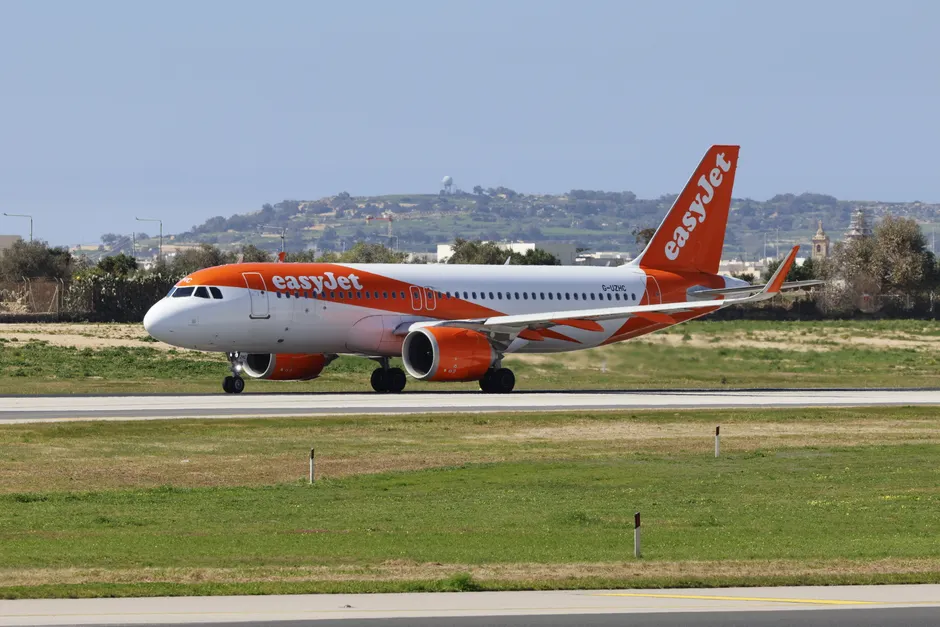
EasyJet reported a pre-tax profit of £85 million for the April-to-June 2026 quarter, a 70% year-on-year decline from the £286 million posted in the same period a year earlier, as fuel costs linked to the Iran conflict absorbed £105 million from the airline's bottom line. Shares rose more than 5% in early trading on July 23, 2026, partially recouping a 10% fall the previous session. The Guardian
The profit collapse has two proximate causes. The first is the spike in jet fuel prices after hostilities broke out in the Middle East in late February 2026. In May, EasyJet disclosed that the spot jet fuel price had reached $1,350, with each $100 movement equating to approximately £35 million in additional fuel costs for the carrier. Reuters The second factor is a shift in consumer behaviour: passengers have been booking later than usual, deferring trip decisions while the geopolitical picture remains volatile. EasyJet said on July 23 that bookings had begun to improve, though the late-booking pattern was still in evidence. The company had already warned in April that it expected a larger first-half loss, citing Middle East fuel costs and legal bills. Reuters
EasyJet is not alone. Ryanair reported a 34% drop in profits to €538 million (£457 million) for the three months to the end of June 2026, attributing the decline to jet fuel prices that doubled amid the Iran war. At the industry level, IATA cut its 2026 profit forecast in June, citing fuel costs and disruption from the conflict. Reuters The parallel trajectories at both low-cost carriers suggest the fuel shock is sector-wide rather than company-specific.
The financial results arrive against the backdrop of an ongoing takeover process. EasyJet's board originally accepted a fifth bid from Castlelake worth £5.5 billion before recommending a higher £5.7 billion offer from Apollo Global Management, priced at more than £7 per share. The deal's path to completion is not straightforward. EU rules require 51% local ownership of airlines operating within the bloc, and a potential EU review of airline ownership rules has cast doubt over whether the Apollo transaction can clear regulatory hurdles.
The ownership question is the more consequential structural risk. A private equity acquirer domiciled outside the EU would need to satisfy the 51% EU-shareholding threshold, and any tightening of the rules during a review could complicate or delay the transaction. For Apollo, the deteriorating earnings profile of the target adds a valuation tension: the carrier is being acquired at a moment when its quarterly profitability has been cut by more than two-thirds.
EasyJet's balance sheet retains capacity for absorption. As of 30 June 2025, the airline held a net cash position of £803 million. Its debt structure includes an €850 million Eurobond issued in March 2024 and a $1,750 million UK Export Finance-backed facility. The company also reported a first-half loss of £552 million ($741.39 million). Reuters
Kenton Jarvis, EasyJet's chief executive, is now navigating a dual challenge: managing the operational fallout from a geopolitical fuel shock while ensuring the takeover process survives regulatory scrutiny. The share-price recovery on July 23 suggests the market is not pricing in an imminent collapse of either the deal or the business, but the 70% profit contraction sets a difficult baseline for the quarters ahead, particularly if the Iran conflict continues to pressure fuel costs and consumer booking patterns.


