West Virginia Deploys 500 National Guard Troops Amid Deadly Flash Flooding
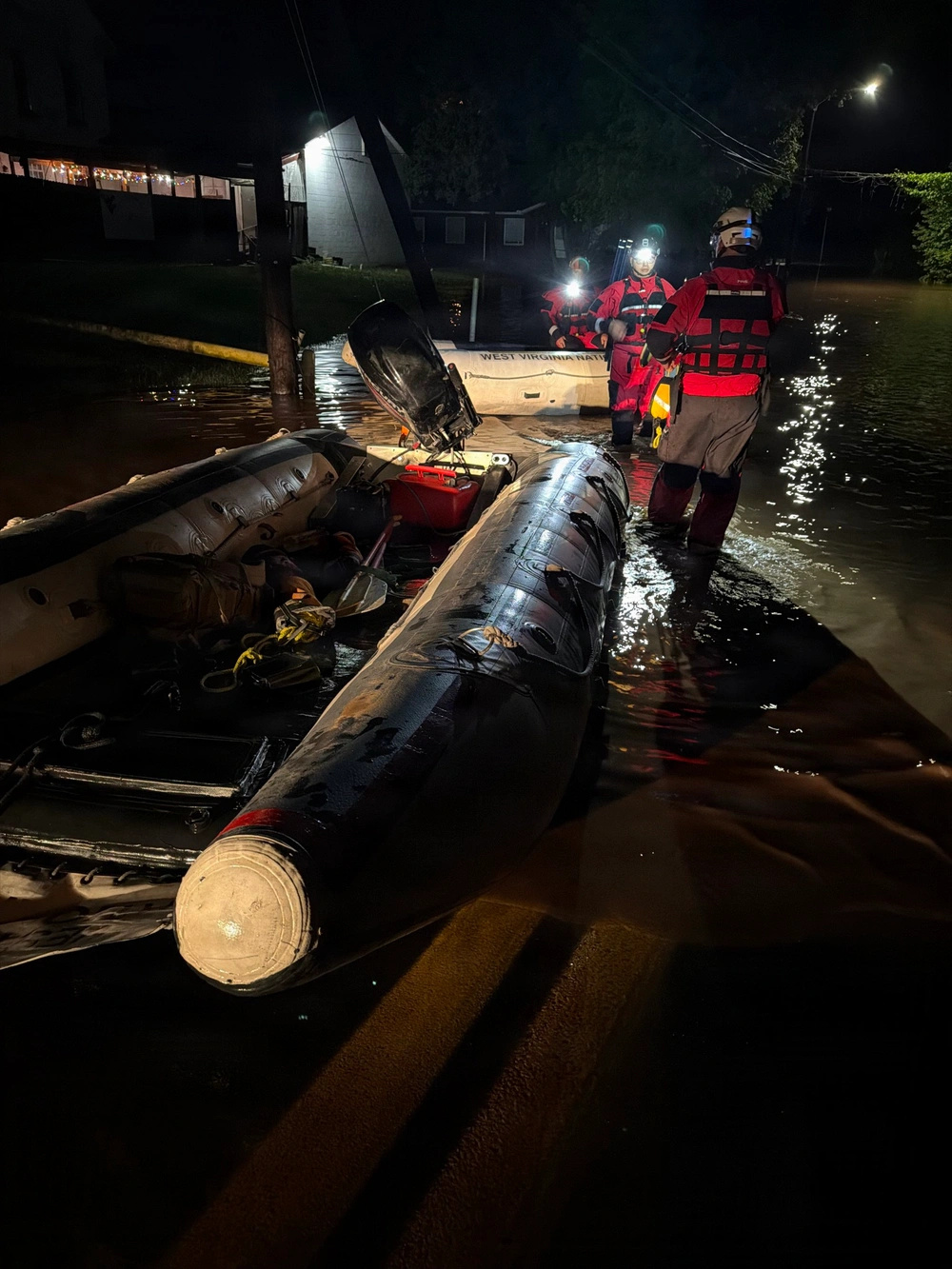
Roughly 500 National Guard members are deployed across West Virginia after torrential rainfall triggered catastrophic flash flooding that began July 18, 2026, cutting off communities, inundating homes and businesses, and leaving more than 6,000 residents without power as of July 24 (The Guardian).
Governor Patrick Morrisey declared a state of emergency for all 55 counties on Tuesday, July 22, and issued a concurrent "state of preparedness" as severe weather bore down on the state (The Guardian). The declaration activated broad emergency authorities, allowing state agencies to redirect resources and request federal assistance.
The National Weather Service issued a flash flood emergency during the event, its most urgent flood alert category, reserved for situations posing an imminent threat to life and property (CNN). The initial flooding struck on July 18, with the full force of the storm system hammering the Ohio Valley region over subsequent days.
Hardest hit were Lewis, Pleasants, and Upshur counties. In Upshur County, approximately 4.5 inches of rain fell in just 37 minutes, a precipitation rate that overwhelms virtually any drainage infrastructure and rapidly transforms low-lying areas into fast-moving flood zones (The Guardian). Parts of the state were rendered inaccessible as floodwaters submerged roads and bridges, leaving residents stranded (AP News).
The Guard deployment unfolded in two phases. An initial contingent of about 100 troops mobilized to the most severely affected areas, followed by an additional 400 activated on Wednesday, July 23, bringing the total to approximately 500 (The Guardian; DVIDS). Guard personnel are conducting search-and-rescue operations, clearing debris, and supporting local emergency management agencies stretched thin by the scale of the disaster.
At a Wednesday news conference, Morrisey confirmed the state remained in a "phase of search and rescue." He told reporters that officials were "concerned about fatalities" but could not yet provide an exact number of people unaccounted for (The Guardian). The governor cautioned that even though the main line of severe weather had moved through the region, the ground remained saturated and rivers stayed at elevated levels, sustaining the risk of secondary flooding.
Poweroutage.us reported more than 6,000 West Virginia customers without electricity as of Thursday morning, July 24 (The Guardian). The outages compound the challenges facing emergency responders, who must coordinate shelter operations and medical support across flood-isolated communities without reliable grid power.
The saturated soil conditions Morrisey described warrant close attention. When antecedent moisture is this high, even moderate subsequent rainfall can trigger renewed flash flooding, because the ground cannot absorb additional water and runoff volumes increase dramatically. River levels remaining above flood stage extend the operational timeline for Guard deployments and local emergency management, as the threat does not end when precipitation stops.
West Virginia's topography compounds flash flood vulnerability. The state's steep terrain and narrow valleys channel runoff rapidly into confined channels, producing violent, fast-rising flood crests with minimal lead time for evacuation. A 4.5-inch rainfall event compressed into 37 minutes, as recorded in Upshur County, exceeds the design capacity of most culverts and small bridges, meaning infrastructure failure becomes a near-certainty rather than a risk.
The all-counties scope of the emergency declaration is notable. While the most severe impacts are concentrated in three counties, a statewide declaration signals that state officials assessed the weather system as a broad threat rather than a localized event. It also streamlines mutual aid coordination across county lines and positions the state to pursue a federal disaster declaration from FEMA, which would unlock Individual Assistance and Public Assistance programs for affected communities.
The situation remains dynamic. Morrisey's reluctance to specify a fatality count suggests that damage assessments are still in early stages, a common pattern in flood events where access to inundated areas is restricted until water recedes. The Guard's escalation from 100 to 500 troops in roughly 24 hours indicates that initial assessments underestimated the operational demand, or that conditions deteriorated faster than projected between the first and second deployment waves.