Syngenta to Pull Paraquat from Australia After APVMA Crackdown
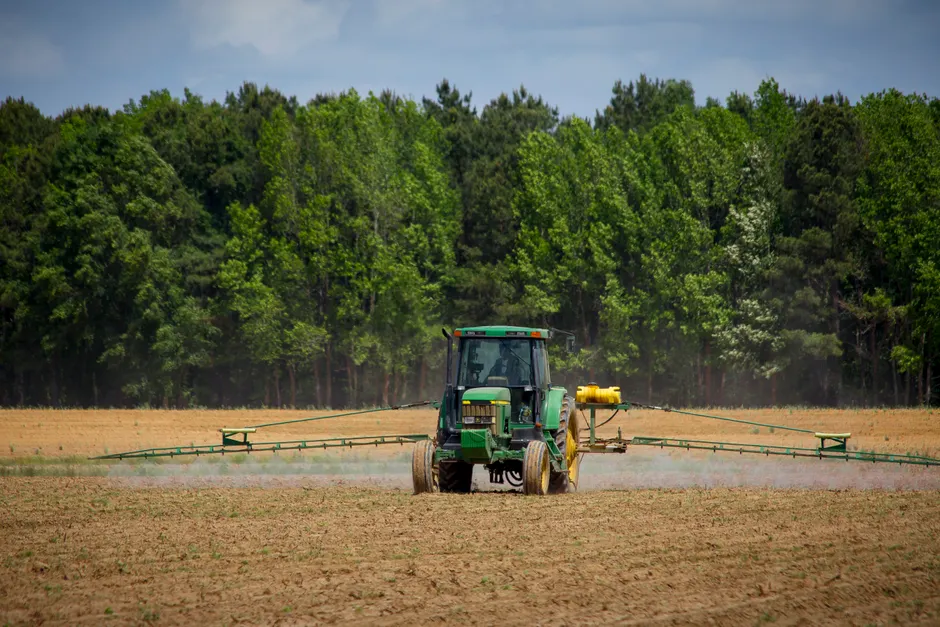
Syngenta will stop selling paraquat-based herbicides in Australia, the company confirmed on July 25, 2026, citing new regulatory restrictions from the Australian Pesticides and Veterinary Medicines Authority (APVMA) and a supply chain that has grown too costly to sustain (The Guardian).
The withdrawal extends to New Zealand as well, covering Syngenta's full ANZ paraquat portfolio (Grain Central). Syngenta ANZ managing director David Van Ryswyk stated the company will manage the phase-out in alignment with APVMA's sell-out and use-by timelines (The Guardian).
The APVMA made its final regulatory decision on paraquat on 22 June 2026, concluding a chemical review that had been open since 2016 over concerns about potential risks to human health and the environment (APVMA). The new restrictions are substantial. The maximum application rate for paraquat and diquat was slashed from 1,150 grams per hectare to 231 grams per hectare. Backpack sprayers are to be phased out. Additional personal protective equipment is now mandatory for users (APVMA). After 22 June 2028, paraquat products must bear labels containing the new label approval number (APVMA).
Syngenta described the combination of these regulations and an increasingly expensive supply chain as making paraquat products commercially unviable in Australia (The Guardian). The Australian exit follows Syngenta's earlier announcement that it will cease global production of paraquat by June 2026. In that March 2026 disclosure, the company pointed to competitive pressures from generic manufacturers and intensifying legal scrutiny as the driving factors (AgNavigator).
The legal landscape has been costly for the company. Syngenta has settled all paraquat litigation cases before any reached trial, including a settlement in January 2026 (Parkinson's Australia). The litigation centres on allegations that paraquat exposure causes Parkinson's disease, a claim Syngenta has consistently rejected. The company maintains that scientific evidence does not support a link between paraquat and Parkinson's and disputes claims made in litigation to the contrary (Syngenta). Syngenta also published a response document in December 2023 rejecting claims made in Al Jazeera's Fault Lines program about the herbicide (Syngenta).
The scientific community's position has increasingly diverged from Syngenta's. Melbourne neurologist Associate Professor Wes Thevathasan stated there is global consensus that paraquat exposure is linked to Parkinson's disease, with epidemiological studies showing it increases risk by around threefold (The Guardian).
Paraquat is banned in more than 70 countries and has been prohibited in the European Union since 2007 (The Guardian). As of December 2023, Syngenta sold paraquat-based formulations in only five countries: the United States, Australia, New Zealand, Japan, and Indonesia (Syngenta). With the ANZ withdrawal and the June 2026 global production shutdown, that list is contracting further.
For Australian growers, Syngenta's exit does not mean paraquat disappears. Generic paraquat products will remain available to farmers after Syngenta's withdrawal (The Guardian). Syngenta's own promotional materials feature Australian third-generation farmer Andrew Weidemann from southeastern Victoria, who describes paraquat as critical to staying in business (Syngenta). The herbicide is valued for its broad-spectrum activity and role in herbicide-resistance management, particularly in no-till farming systems.
The broader context here is one of regulatory ratcheting meeting commercial calculus. The APVMA's application-rate cut to roughly one-fifth of the previous ceiling is a de facto functional restriction, not merely a label change. For manufacturers, the combination of lower permitted use rates, mandated engineering controls on application equipment, escalating PPE requirements, and ongoing litigation exposure compresses margins to the point where a branded product line becomes a liability rather than an asset. Syngenta's decision to exit rather than reformulate or re-register under the new regime signals that the regulatory trajectory, not any single rule, drove the withdrawal.
The persistence of generic alternatives means the public health and environmental questions the APVMA sought to address through its review will not resolve with Syngenta's departure. Generic manufacturers operating without the same brand-reputation and litigation exposure that pushed Syngenta out may continue supplying the Australian market under the new, tighter regulatory framework. Whether those constraints prove sufficient to mitigate the risks the APVMA identified, or simply shift the seller of record, is the question that will occupy regulators, growers, and public health advocates in the years ahead.