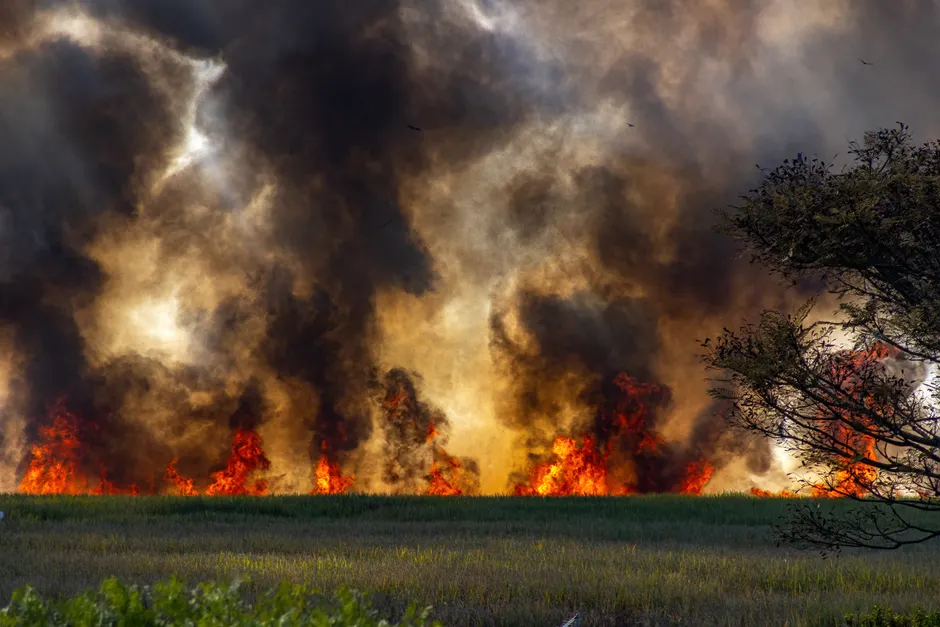
200,000 Evacuated as Wildfires Sweep Across France and Spain
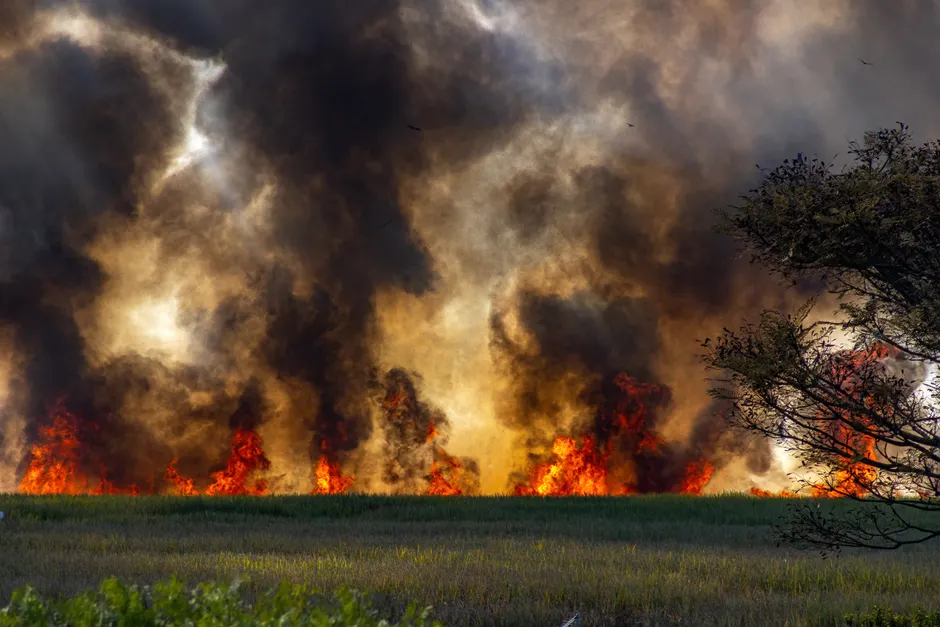
More than 200,000 people have been evacuated from their homes in France and Spain as wildfires burn across both countries, with the crisis intensifying through the final week of July 2026. CNN
In southwestern France, the Gironde prefecture triggered the FR-Alert system on July 24 for immediate evacuation of populations facing a rapidly progressing forest fire. The alert was triggered again on July 25 to evacuate additional communes. The Gendarmerie Nationale has been deployed in force across Gironde and the Landes, managing an operation that includes the evacuation of 40,000 people from the Cap Ferret peninsula via the RD 106 road toward Bordeaux. Gironde Prefecture
Preventive evacuations across the Gironde communes of Le Porge, Saumos, Le Temple, and Lège-Cap-Ferret have affected nearly 20,000 people. Earlier in the week, the evacuation of Gressier beach at Le Porge involved 600 vehicles, and 600 residents of the Le Porge Lauros quarter were evacuated and redirected. By July 25, 42 firefighters had been injured and 9 evacuated, all in relative urgency. Gironde Prefecture
The scale of the French response has required military involvement. President Emmanuel Macron mobilized the French military to support firefighting and evacuation operations in southwestern France, a step that reflects the strain on civilian emergency services as multiple fire fronts burn simultaneously across the Nouvelle-Aquitaine region. France 24
The numbers escalated rapidly. On July 23, more than 10,000 people were evacuated overnight as a fast-spreading fire consumed at least 2,400 hectares in southwestern France. By July 24, the cumulative evacuation figure for France alone had reached at least 141,000. Reuters
In Spain, the crisis has struck the Madrid region. More than 19,000 people were ordered to evacuate from towns in the mountains west of the capital, with more than 2,000 personnel deployed to fight the blazes. By July 24, that figure had risen to 25,000 evacuated in the Madrid region, and major fire fronts were threatening suburban areas of the Spanish capital itself. Spain had declared an emergency over the wildfires. Reuters
Among those evacuated across both countries, more than 1,200 were elderly or disabled people requiring specialized transport and care. Le Monde
The Gironde fires draw immediate comparison to the 2022 wildfire season, when 6,500 hectares burned in the same department and nearly 20,000 people were evacuated. The 2026 evacuation from the Cap Ferret peninsula alone matches the entire 2022 Gironde displacement figure. Gendarmerie Nationale
Spain's 2024 wildfire season, by contrast, was comparatively moderate. Forest surface area affected equaled 53% of the decadal average. Thirty-nine fires required preventive evacuations, affecting 4,305 people. Wildfires caused infrastructure damage and road closures. The jump from that baseline to 25,000 evacuations in the Madrid region alone in July 2026 is stark.
The EU Copernicus Emergency Management Service was activated on July 19 for a forest fire in Fontainebleau, France, signaling that the crisis had already triggered continental-level response mechanisms before the mass evacuations in Gironde and Madrid began.
The broader context here is the velocity of escalation. The evacuation count in France moved from 10,000 on July 23 to 141,000 by July 24 to over 200,000 combined with Spain by July 25. That trajectory, and the deployment of military assets under presidential order, places the 2026 fire season on a different operational footing from recent years in both countries. The activation of FR-Alert, France's population warning system, on consecutive days indicates fire behavior that is outpacing the predictive models civilian authorities rely on for staged evacuations. When 42 firefighters are injured in a single operational window, the question is not whether the system is under strain but whether the current force posture is sustainable if additional fronts ignite.
The risk of cascade is real. Both the Gironde and Madrid fires are burning in proximity to populated suburban areas, and the mobilization of over 2,000 personnel in Spain and military forces in France means fewer reserves for new ignitions. Fire seasons across the western Mediterranean have been lengthening and intensifying, and the simultaneous ignition of major fronts in two neighboring countries, separated by the Pyrenees, raises questions about shared resource allocation under EU civil protection mechanisms that have not yet been stress-tested at this scale.