Buzz Bicycles Centris 2: Fat-Tire Folding Ebike Targets Urban Mobility with UL-Certified Safety Standards

Buzz Bicycles Centris 2: Fat-Tire Folding Ebike Targets Urban Mobility with UL-Certified Safety Standards
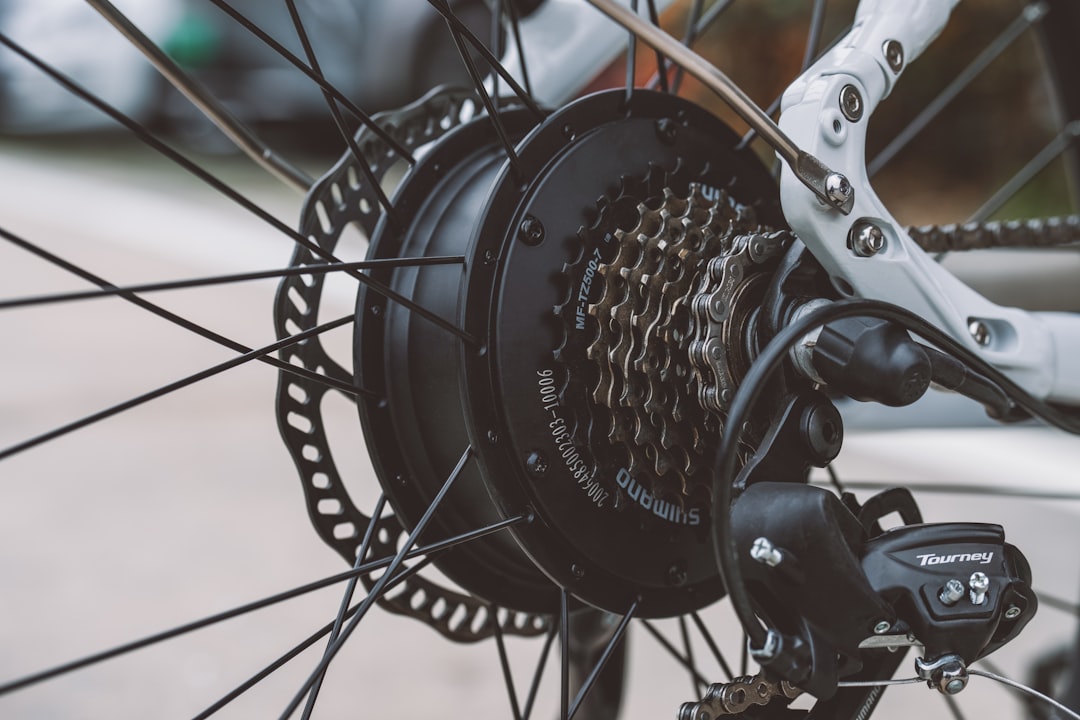
Buzz Bicycles has positioned its Centris 2 folding ebike as a bridge between recreational cycling and practical urban transportation, combining a compact 20-inch folding aluminum frame with oversized 4-inch fat tires designed for versatility across varied terrain. The Class 2 ebike delivers speeds up to 20 MPH through a 500-watt rear hub motor, with an advertised range of up to 40 miles per charge.
Safety Certification and Compliance Framework
The Centris 2's electrical system meets UL 2849 and UL 2271 safety standards — certifications that have become baseline requirements in the U.S. ebike market following several high-profile battery fires in consumer devices. UL 2849 covers the electrical systems in ebikes, while UL 2271 addresses lithium-ion battery safety — a dual approach that addresses both component-level and system-level risks in electric mobility devices.
The bike ships with an LCD Display G51 that requires users to review the manual before first operation, reflecting industry-wide emphasis on user education following regulatory scrutiny of ebike accidents. Customer service runs through Huffy Bikes' established support infrastructure at 1-800-872-2453, indicating corporate backing beyond the Buzz Bicycles brand itself.
Design Philosophy and Target Market
The Centris 2's specification set reveals a focus on multimodal commuting scenarios where portability and terrain adaptability intersect. The folding aluminum frame addresses last-mile storage constraints — apartment living, office spaces, public transit integration — while the 4-inch fat tires extend usability beyond paved surfaces to gravel paths, light trails, and variable urban terrain.
The 20-inch wheel diameter represents a compromise between compactness when folded and ride quality when deployed. This sizing has become standard in the folding ebike segment, offering reasonable rolling efficiency while maintaining the frame geometry necessary for reliable folding mechanisms.
The 500-watt rear hub motor specification places the Centris 2 in the mainstream power bracket for Class 2 ebikes. Federal regulations cap assisted speed at 20 MPH for this classification, making the power output sufficient for hill climbing and load carrying without entering the higher-performance tiers that trigger additional licensing or insurance requirements in many jurisdictions.
Market Context and Corporate Backing
The collaboration between NAMI (Nano and Advanced Materials Institute) and Covation Holdings Limited around outdoor and 3C product innovation suggests institutional backing for the Centris development program, though the specific technical contributions from this partnership remain undefined in available documentation.
Customer support infrastructure through Huffy Bikes indicates the Centris 2 operates within an established bicycle industry supply chain rather than as a direct-to-consumer startup product. This corporate relationship provides service network coverage and parts availability that standalone ebike brands often struggle to maintain.
The warranty structure reflects industry-standard liability management, voiding coverage for competitive sports, stunt riding, jumping, aerobatics, motor modifications, multi-rider use, or transfer of ownership. These restrictions have become universal in consumer ebike warranties as manufacturers seek to limit exposure from high-stress use cases that exceed design parameters.
Technical Architecture and Use Case Analysis
The rear hub motor configuration centralizes weight distribution and simplifies maintenance compared to mid-drive alternatives, while the 40-mile range specification targets daily commuting scenarios without requiring workplace charging infrastructure. Real-world range will vary significantly based on rider weight, terrain, assistance level, and environmental conditions — variables that make manufacturer range claims inherently optimistic.
The fat tire specification addresses one of the persistent friction points in urban cycling adoption: surface versatility. Standard ebike tires perform well on pavement but struggle with the mixed surfaces common in many urban environments — construction zones, unpaved paths, seasonal debris. The 4-inch width provides additional contact patch and cushioning, though at the cost of increased rolling resistance and weight.
Looking at the broader trajectory of folding ebike development, the Centris 2 represents incremental refinement rather than fundamental innovation. We have seen this pattern before, when smartphones evolved from breakthrough devices to mature product categories where differentiation occurs through feature combinations and manufacturing efficiency rather than technological leaps. The ebike market appears to be following a similar path, with established form factors like folding fat-tire bikes becoming standardized platforms for cost and feature optimization.
The Centris 2's positioning in Gloss White (model E4311) suggests consumer market targeting rather than fleet or commercial applications, where darker colors typically dominate for maintenance considerations. This aesthetic choice aligns with the bike's apparent focus on individual ownership scenarios rather than shared mobility programs.
Regulatory and Safety Considerations
The UL certification emphasis addresses legitimate safety concerns that have emerged as lithium-ion battery technology scales across consumer applications. Battery thermal events in ebikes present unique risks due to their typical storage locations — often in residential buildings, garages, or other confined spaces where fire propagation can threaten life and property.
The Class 2 designation provides regulatory clarity for users, placing the Centris 2 in the category that receives the broadest acceptance across municipal bike infrastructure. Higher classes face restrictions on bike lanes, park access, and trail use in many jurisdictions, making the 20 MPH limit a practical constraint rather than just a regulatory requirement.
The documentation requirements around the LCD display manual reflect industry movement toward standardized user education, particularly as ebike adoption expands beyond cycling enthusiasts to general transportation users who may lack familiarity with electric vehicle operational considerations.
In my view, the Centris 2's specification set indicates a maturing market where safety certification, corporate backing, and incremental feature refinement have become the competitive differentiators rather than breakthrough technology or dramatic cost reduction. The bike represents the kind of solid, if unremarkable, product development that characterizes established technology categories — reliable execution of a proven formula rather than pioneering innovation.
For urban mobility planning, devices like the Centris 2 suggest that folding ebikes are moving toward mainstream adoption, with implications for infrastructure design, parking requirements, and multimodal transportation integration that extend well beyond individual purchasing decisions.