Ride1Up Roadster V3 Introduces Torque Sensing and Dual Drivetrain Options
Ride1Up Roadster V3 Introduces Torque Sensing and Dual Drivetrain Options
Ride1Up has unveiled the Roadster V3 electric bike, featuring significant upgrades from its predecessor including an Intui-Drive torque sensor system and dual drivetrain configurations. The California-based manufacturer positions this model as a versatile commuter platform offering both traditional chain and carbon belt drive options.
Technical Specifications and Motor Configuration
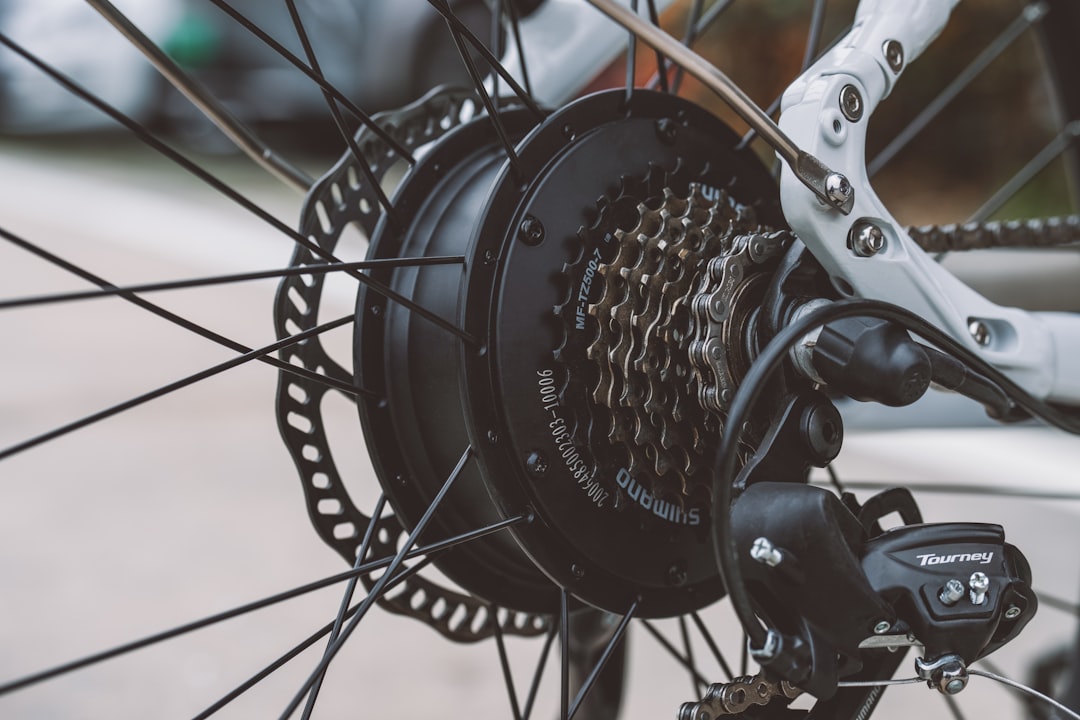
The Roadster V3 employs a 500W angled-gear hub motor, maintaining the rear-hub architecture that has characterized the Roadster line while upgrading the power delivery system. The integration of the Intui-Drive torque sensor represents a notable departure from previous cadence-only sensing systems, enabling more responsive power modulation based on rider input force rather than simply pedal rotation.
Class 1-3 functionality provides regulatory flexibility, with maximum assisted speeds reaching 28mph in pedal-assist mode for chain-driven configurations and 25mph for belt-driven variants. This speed differential reflects the mechanical characteristics of each drivetrain type, where belt systems typically operate within tighter tolerances for optimal performance and longevity.
Drivetrain and Component Integration
Two drivetrain configurations differentiate the V3 from single-option predecessors. The traditional setup features a 9-speed Microshift Advent derailleur system, providing gear ratios optimized for varied terrain and riding conditions. The alternative configuration employs a Dayco Power Carbon belt drive, trading the mechanical complexity of derailleur shifting for reduced maintenance requirements and quieter operation.
Belt drive systems have gained traction in the e-bike segment particularly among commuters prioritizing low-maintenance operation over wide gear ranges. The carbon construction of the Dayco belt offers improved durability compared to polyurethane alternatives while maintaining the characteristic low-stretch properties essential for consistent power transfer.
Braking duties are handled by Tektro hydraulic disc brakes across both configurations. Hydraulic actuation provides the modulation and stopping power necessary for bikes capable of sustained 25-28mph speeds, particularly important given the additional momentum from motor assistance and battery weight.
Market Context and Positioning
The torque sensor integration reflects broader industry movement toward more sophisticated power delivery systems. Early e-bike generations relied heavily on cadence sensing, which triggered motor assistance based on pedal rotation rather than applied force. This approach often resulted in abrupt power delivery that felt disconnected from natural cycling dynamics.
Torque sensing systems measure the force applied to pedals, enabling proportional motor assistance that more closely mimics traditional cycling feel. This technology, once reserved for premium models, has gradually migrated down market as sensor costs decreased and manufacturing volumes increased.
Looking at this progression, we have seen similar patterns before when GPS navigation moved from luxury automotive options to standard smartphone features. The democratization of torque sensing across price segments suggests the technology has reached sufficient maturity and cost-effectiveness for mainstream adoption.
Ride1Up's Broader Product Strategy
The Roadster V3 joins Ride1Up's existing lineup that includes models like the Turris adventure touring platform. This diversification strategy mirrors industry trends toward specialized e-bike categories rather than one-size-fits-all approaches. The company maintains an active blog presence for product announcements and technical updates through its ride1up.com/blogs platform.
The dual-drivetrain approach for the Roadster V3 acknowledges different user priorities within the commuter segment. Chain systems appeal to riders who prioritize gear range and serviceability through traditional bicycle shops, while belt drives target users willing to accept narrower gear ratios in exchange for reduced maintenance intervals and quieter operation.
Technical Considerations and Implementation
The angled-gear hub motor configuration suggests attention to torque delivery efficiency and thermal management. Angled gearing typically provides better mechanical advantage compared to straight-cut alternatives, though at the cost of increased manufacturing complexity and potential noise generation. The specific implementation details and gear ratios remain unspecified in available documentation.
Integration of hydraulic braking with the hub motor system requires careful calibration to prevent regenerative braking conflicts and ensure consistent stopping performance across different battery charge states and motor assistance levels. Tektro's hydraulic systems have established market presence in the e-bike segment, providing proven reliability for this application.
The Intui-Drive torque sensing implementation represents a notable technical upgrade, though specific sensor sensitivity ranges and response characteristics are not detailed in current specifications. Torque sensor quality varies significantly across manufacturers, with precision and response time directly impacting the naturalness of power delivery.
Looking Forward
The Roadster V3's feature set positions it within the increasingly competitive mid-market e-bike segment, where manufacturers must balance cost constraints with feature expectations that continue to rise. The inclusion of torque sensing and dual drivetrain options suggests Ride1Up recognizes that differentiation requires more than incremental improvements to established designs.
The broader trend toward sophisticated power management systems and specialized drivetrain options reflects an industry maturing beyond early adoption phases. As e-bike infrastructure expands and regulatory frameworks solidify, manufacturers increasingly compete on refinement rather than basic functionality. The Roadster V3 appears designed to meet these evolved expectations while maintaining the value positioning that has characterized Ride1Up's market approach.

