Australian Tribunal Finds Israeli Siblings Owed Refugee Protection Over Refusal to Serve in IDF
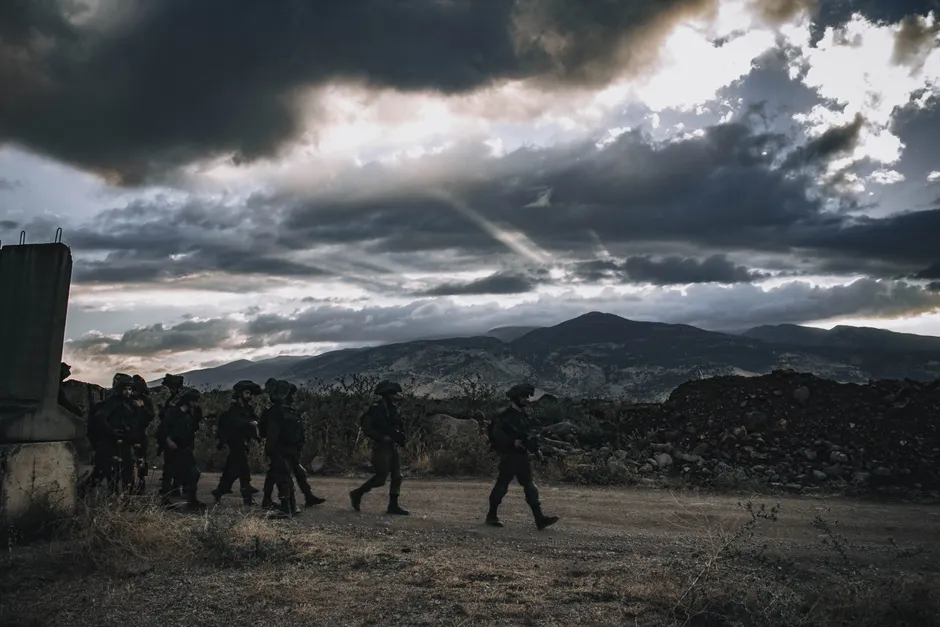
Australia's Administrative Review Tribunal (ART) has found that three Israeli siblings are refugees owed protection by Australia, after they vowed to refuse mandatory national service in the Israel Defense Forces and demonstrated a genuine belief that conscription would force them to participate in breaches of international humanitarian law. The tribunal's decision, published in March 2026 following a hearing in October 2025, concluded that the punishment the siblings would face for refusing IDF service, including imprisonment of up to two years as conscientious objectors, would amount to persecution by the state of Israel. The Guardian
The family arrived in Australia on the father's working visa roughly a decade ago, around 2016. They applied for protection visas in 2024, approximately six months after the Hamas-led attacks of 7 October 2023. The Australian government initially rejected the application, and the family then appealed to the ART. The Guardian
The eldest sibling gave evidence that she and her two siblings had made a pact among themselves to refuse to serve in the IDF. The tribunal accepted this as genuine, finding that the siblings held a sincere belief they would be forced to engage in violations of international humanitarian law if conscripted. It further found that there were credible allegations that Israel's military operations in the Gaza Strip are in breach of international humanitarian law. The tribunal also noted that the International Criminal Court had issued arrest warrants against Israeli Prime Minister Benjamin Netanyahu and former Defence Minister Yoav Gallant on allegations of war crimes and crimes against humanity. The Guardian
The tribunal did not accept all of the family's arguments. It rejected the claim that the siblings were unsafe from terrorist attacks anywhere in Israel, finding that any harm from Hamas rocket attacks would not constitute persecution because it would not be discriminatory conduct aimed at them specifically. The protection obligation thus rested narrowly on the persecution the siblings would face from their own government for refusing military service, not on general security risks within Israel. The Guardian
The legal reasoning turns on a well-established but narrowly applied doctrine in refugee law. Conscientious objection to military service can constitute grounds for refugee protection when the refusal is tied to a well-founded fear of being compelled to participate in acts prohibited by international law. The tribunal's finding that the siblings' belief was genuine, combined with its assessment that credible allegations of IHL breaches by the IDF exist, satisfied the threshold. The two-year imprisonment risk was treated not as legitimate prosecution for draft evasion but as persecution, because the underlying conduct the state sought to compel was itself arguably unlawful under international humanitarian law.
The broader context here matters considerably. This is an Australian administrative tribunal effectively assessing the conduct of a close allied state's military operations through the lens of international humanitarian law, and finding those allegations credible enough to trigger a non-refoulement obligation. The tribunal's citation of ICC arrest warrants for Netanyahu and Gallant signals that it anchored its assessment of credibility in the highest-profile international accountability mechanism currently in motion, rather than relying solely on advocacy submissions or media reporting.
The decision also draws a clear analytical line between two distinct categories of harm the family raised. General exposure to Hamas rocket fire was treated as non-discriminatory violence that does not meet the persecution standard under the Refugee Convention. State-imposed punishment for refusing to participate in military operations that may breach IHL, by contrast, was found to meet that standard. That bifurcation is likely to be referenced in future asylum determinations involving conscription objections, particularly where the applicants' state of origin is party to an active armed conflict subject to international scrutiny.
Whether the Australian government will appeal the tribunal's decision has not been indicated in the available reporting. The decision was published in March 2026 and surfaced in public reporting on July 26, 2026.