RHS Warns Heatwaves Are Driving Hydrangeas Out of Southern England
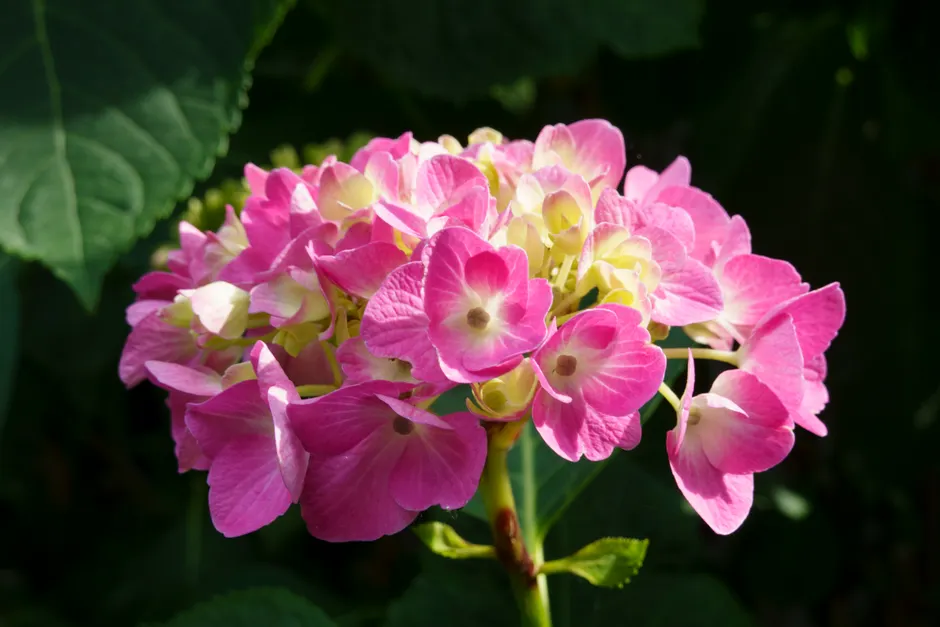
The Royal Horticultural Society has warned that hotter summers and heatwaves are putting hydrangeas at risk across the south of England, with the gardening charity now considering relocating its hydrangea collection from its flagship Wisley garden in Surrey to northern sites in Greater Manchester and North Yorkshire. The Guardian
Data from the RHS gardening advice service shows inquiries about drought and heat damage affecting hydrangeas have more than tripled since 2023. Over the same period, hydrangeas climbed from seventh to first place in RHS inquiries for drought and heat damage, and they remain the most frequently reported plant suffering from high temperatures in RHS data for 2026. The organisation has more than 600,000 members.
Guy Barter, the RHS's chief horticulturist, identified Hydrangea macrophylla types — the mophead and lacecap cultivars — as suffering most from hot, dry summers, particularly in sunnier sites and on the sandy soils characteristic of Wisley. By contrast, Hydrangea paniculata has proven more resilient. Barter said hydrangeas "remain a fantastic plant for summer flowers in light shade, north-facing slopes, or moister soil." Tim Upson, the RHS's director of gardens, reinforced the point: hydrangeas growing in shadier positions cope far better during prolonged hot dry weather than those exposed to full sun.
The RHS's deliberations about moving its collection north are informed by a hydrangea trial conducted between 2021 and 2025 at its Bridgewater garden in Greater Manchester. That trial period subjected plants to a gauntlet of extremes. The RHS's own trial documentation records that summer temperatures in 2022 approached 40°C, conditions compounded later that year by an unusually mild and wet late autumn followed by an abrupt temperature drop to -8.5°C. The trial also weathered heavy rain in 2024 and further hot weather in 2025, both of which damaged plants and disrupted blooming.
The potential move is part of a broader reorganisation of RHS national collections across its garden network. The society plans to send its prize collection of rhododendrons to Harlow Carr in North Yorkshire, while Wisley's national collections of rhododendron and gooseberries would move to the Bridgewater garden in Salford. The redistribution reflects a practical calculation: certain species now perform better further north, while Mediterranean and subtropical species are increasingly viable in southern England. Fig and almond trees are flourishing in RHS gardens, and banana and lotus plants have flowered at Harlow Carr — something not considered possible a decade ago.
For home gardeners, the RHS advises moving potted hydrangeas into dappled shade during extreme heat, watering deeply rather than little and often, applying mulch to retain soil moisture, and relocating sun-exposed plants to cooler, shadier spots in autumn.
The broader context here is one of shifting horticultural zones. The RHS's own data now captures what amounts to a real-time climate adaptation experiment across its five gardens, with collections being repositioned according to where they can thrive. The threefold jump in hydrangea-related inquiries since 2023 is a signal that home gardeners are encountering the same heat-stress patterns the society is observing at the institutional level. What remains an open question is whether even northern sites will provide sufficient refuge over the longer term, or whether the RHS is buying time rather than finding a permanent solution. The 2021–25 trial at Bridgewater, after all, was itself marked by both record heat and a sharp winter freeze — extremes that are not exclusive to the south.