Israeli Airstrike Hits Gaza City Mosque; IDF Says Structure Held Hamas Weapons Cache
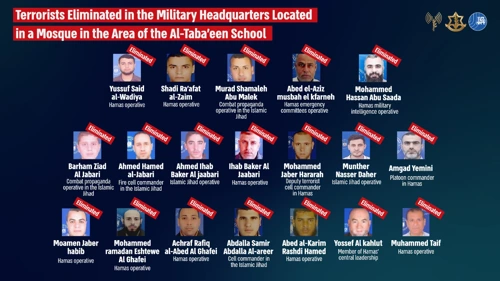
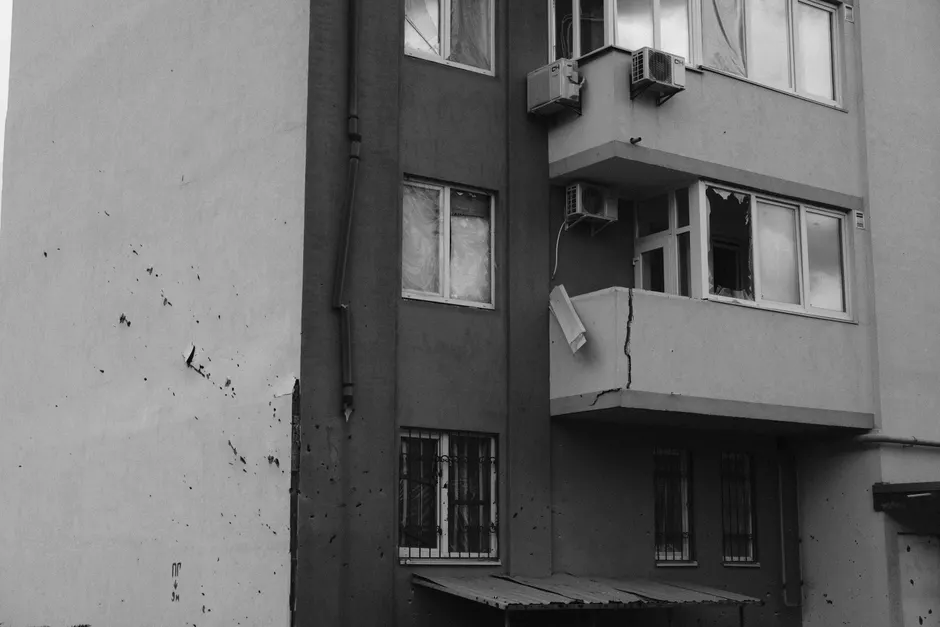
The Israeli military struck a mosque in Gaza City on July 29, 2026, with the IDF stating the building was being used by Hamas for weapons storage Barron's/AFP. The strike targeted arms depots that included the mosque site, and the IDF characterized the weapons stored there as intended for use against Israeli soldiers and civilians JNS. Footage of the aftermath circulated the same day The Guardian.
The IDF's public justification rests on a long-standing operational claim: that Hamas repurposes religious sites, including mosques, as military infrastructure. The military maintains a dedicated informational page on its official website asserting that Hamas uses holy places in Gaza as military compounds for storing weapons and concealing tunnel entrances IDF. In a separate statement addressing prior operations, the IDF said it had targeted a rocket launching site positioned adjacent to a mosque, from which militants had fired rockets IDF.
These two claims, taken together, frame the July 29 strike within an established Israeli doctrinal and narrative framework. The IDF does not merely assert a one-off tactical rationale for hitting the mosque; it situates the action within a broader pattern of alleged Hamas abuse of protected structures. This dual-track messaging, targeting justification plus contextual documentation, has been a consistent feature of Israeli military communications throughout the conflict.
The legal and diplomatic stakes of strikes on religious sites are considerable. Under international humanitarian law, places of worship receive general protection from attack. That protection is not absolute. It is forfeited when a site is used to commit acts harmful to an enemy, such as weapons storage or military operations. The critical legal question is not whether such misuse is categorically impossible but whether the specific intelligence supporting the strike meets the threshold of military necessity and proportionality. The IDF's public statements assert the former, weapons were present, without releasing the underlying intelligence that would allow independent verification of the latter.
The IDF's framing that the weapons were intended for use against soldiers and civilians is also worth noting as a rhetorical choice. It collapses two distinct categories of potential targets under international law, combatants and non-combatants, into a single justification. This serves to broaden the perceived legitimacy of the strike by emphasizing the threat to civilians, not merely to military personnel.
For regional actors and international institutions monitoring the conflict, the July 29 strike reinforces a recurring point of friction. Each instance in which a protected site is struck generates pressure on mechanisms designed to assess compliance with the laws of armed conflict. The IDF's published rationale provides the narrative frame these bodies will examine alongside any available battlefield evidence, satellite imagery, after-action reports, and casualty data.
The gap between assertion and verifiable detail is where the most consequential questions will reside. The IDF states weapons were stored in the mosque. Independent observers will seek to corroborate the type, quantity, and intended use of those weapons, the proximity of any active military activity, and whether the scale of the strike was proportionate to the identified threat. Absent that corroboration, the IDF's account stands as the primary public record of the event.
What the strike also does is maintain the operational tempo and the associated information warfare surrounding contested sites. The IDF's narrative, delivered through official channels and amplified by affiliated media, currently defines the public account of what happened at the mosque in Gaza City.