US Resumes Strikes on Iran After Five-Day Diplomatic Pause
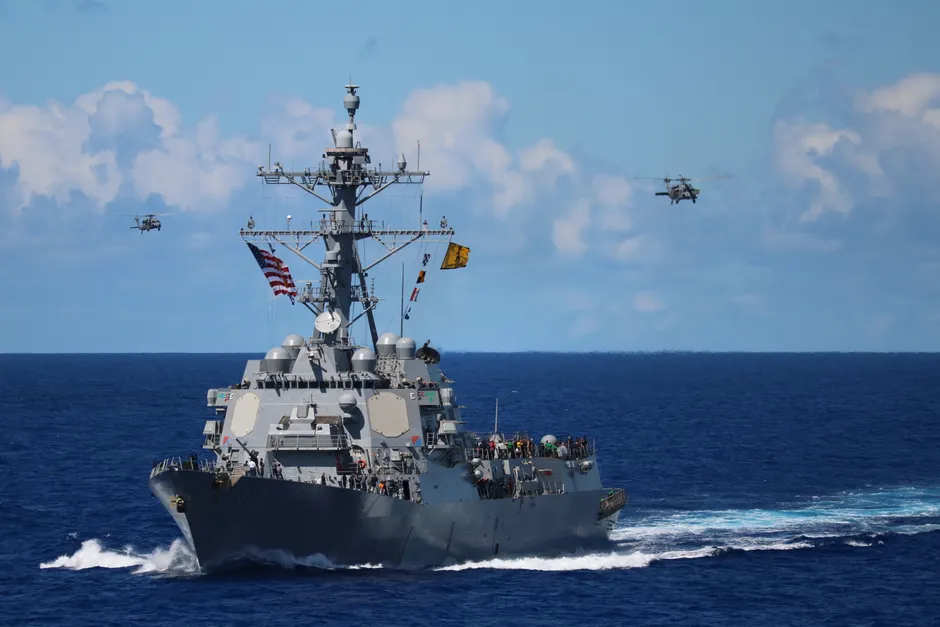
The United States launched a new round of strikes on Iran on July 30, 2026, ending a five-night pause that President Donald Trump had instituted to allow diplomatic channels more time. Speaking to reporters the same day, Trump said the US would "be hitting them very hard" (CBS News). The resumption follows what Trump described as "good talks" with Tehran just days earlier, creating a compressed diplomatic window that appears to have closed as rapidly as it opened.
The immediate catalyst for the renewed strikes appears to be an attack on a US gas facility in Egypt. On or around July 29, unidentified drone strikes targeted the installation (Haaretz). The US carried out fresh strikes against Iran in response. This sequence suggests a trigger-and-retaliation cycle that the five-night pause had temporarily interrupted but did not resolve.
The broader conflict traces to February 28, 2026, when the United States and Israel entered a state of war with Iran. In February, the White House published a presidential action declaring that Iran's actions and policies constitute "an unusual and extraordinary threat" to US national security and foreign policy. The State Department simultaneously announced sanctions targeting entities, individuals, and vessels connected to illicit Iranian oil trading and the so-called shadow fleet. By March, the White House released a document titled "The Iranian Regime's Decades of Terrorism Against American Citizens," and Defense Secretary Pete Hegseth described US objectives under the designated campaign name "Operation Epic Fury" as "laser-focused."
Military operations have escalated in phases. US Central Command conducted a strike on three Iranian nuclear sites, including the Fordow Fuel Enrichment Plant, which was struck using 30,000-pound GBU-57 Massive Ordnance Penetrator bombs and subsequently described by US defense officials as "historically successful." By July 23, the US military had completed 12 consecutive nights of strikes on Iranian military targets at Trump's direction; by July 24, that number reached 13. On July 8, Trump posted a video update claiming US forces had been "annihilating" Iran's military capabilities.
The late-July pause briefly raised the possibility of de-escalation. A senior Iranian official told Reuters on July 26 that Iran would halt its attacks as long as Trump maintained the ceasefire. Trump posted on Truth Social that he had postponed and then cancelled a round of strikes. By July 27 and 28, he was publicly referencing "good talks" with Tehran, though on July 28 he simultaneously reiterated threats to target "Pickaxe Mountain" and bridges. That juxtaposition pointed to the inherent tension in the administration's dual-track approach: using the threat of force as leverage while testing whether diplomatic engagement could produce concessions.
The diplomacy-versus-force tension also played out on the Iranian side. Around mid-July, Tehran stated it was in an "existential war with America" even as Trump claimed Iran "wants to settle." Iran reportedly threatened to block additional vital sea lanes. The Strait of Hormuz has been a central flashpoint throughout: on July 6–7, three ships were attacked there, provoking US strikes against Iran (Britannica). The conflict also expanded geographically. On July 28, US Central Command reported that US and Saudi Arabian forces conducted joint strikes against Iran-aligned actors in Iraq (CNN). The drone attack on the US facility in Egypt adds a third front, suggesting Iran-aligned forces are pressuring US assets across multiple theaters rather than engaging in direct conventional confrontation.
The assessment from a former Pentagon official, reported on July 30, is that Trump is likely to expand strikes on Iran rather than withdraw (Iran International). This assessment aligns with the operational trajectory: thirteen consecutive nights of strikes, a five-night pause, and then an immediate resumption with Trump's explicit promise to "be hitting them very hard." The pattern indicates that the pause functioned less as a shift in strategy than as a tactical breather within a sustained campaign. The State Department's April publication of "Operation Epic Fury and International Law" further suggests the administration has been building a legal framework to support extended operations.
The resumption of strikes effectively closes the narrow diplomatic window that opened in late July. With the five-night pause now over and both sides having demonstrated willingness to attack during active negotiations, the prospect for a sustained ceasefire appears remote. The former Pentagon official's assessment that Trump will expand rather than wind down operations, combined with Iran's framing of the conflict as existential, points toward a continued escalation cycle in which pauses serve tactical rather than strategic purposes. The multiple theaters of engagement — Iran itself, Iraq, the Strait of Hormuz, and now Egypt — further complicate any de-escalation pathway, as each front carries its own trigger-and-retaliation dynamics that can override diplomatic progress on any single track.