Iran Rejects U.S. Cease-Fire as Strikes Intensify and Proxy War Widens

Iran has rejected a U.S. cease-fire offer delivered to Tehran by Iraqi Prime Minister Mohammed Shia al-Sudani, closing off the most recent diplomatic off-ramp in a conflict that has now entered its sixth month. The refusal came as the U.S. military completed a 'heavy wave' of strikes against Iranian targets, the latest in an escalating cycle of retaliation that has drawn in Tehran's regional proxies and disrupted critical shipping lanes (New York Times, BBC).
The 2026 Iran war was initiated by the United States and Israel on February 28, 2026, according to a Britannica overview published July 29. President Trump articulated the war's objectives in stark terms in April: preventing Iran from obtaining a nuclear weapon, destroying its missile capability, breaking its regional proxies, and eliminating its navy (Britannica, New York Times). The scope of those aims points to a comprehensive campaign of degradation rather than a limited punitive action, and the current trajectory suggests none of the four objectives has been fully secured.
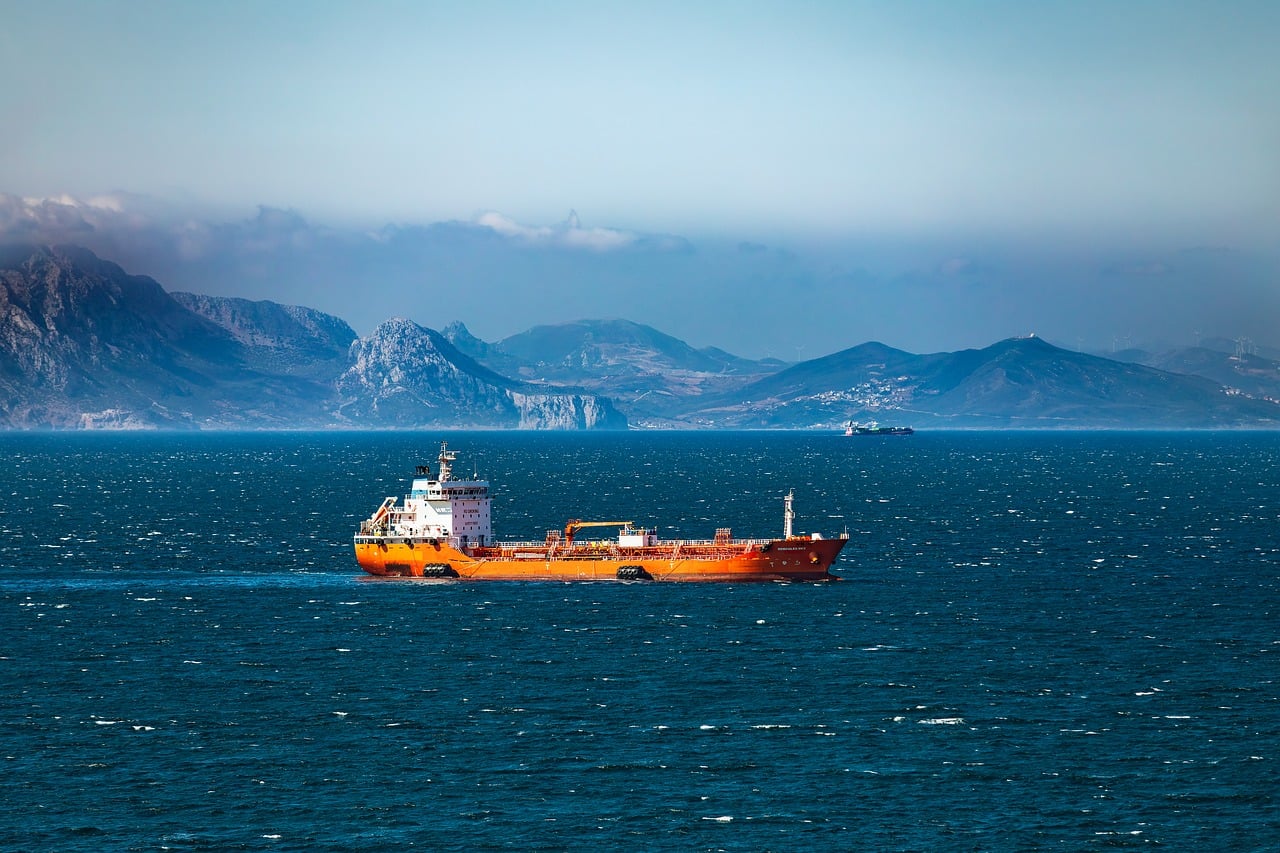
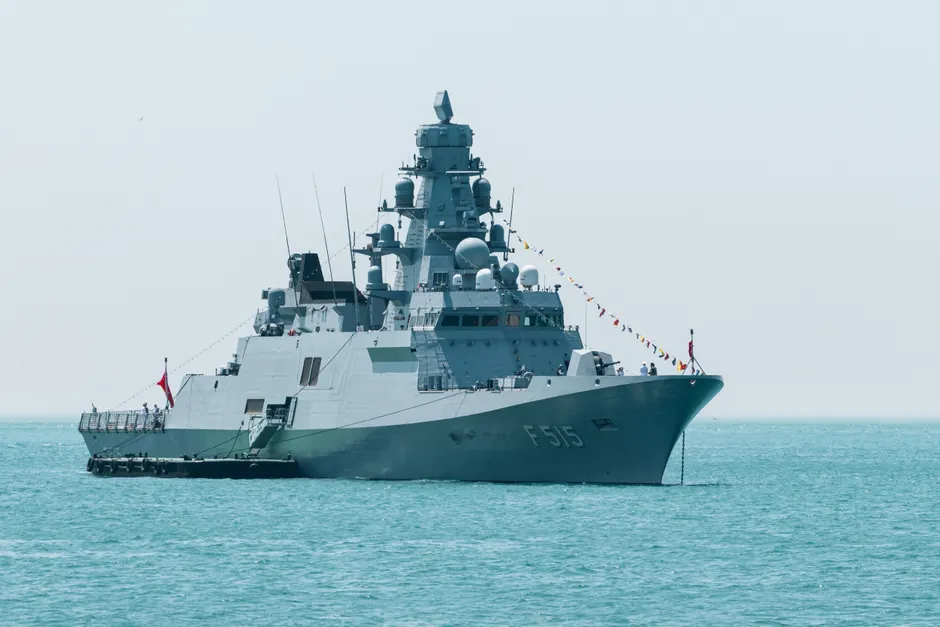
The conflict's maritime theater has proven especially volatile. The U.S. struck Iran for a third consecutive night in mid-July, returning to open conflict after Iran targeted shipping in the Strait of Hormuz. This followed an earlier May incident in which the U.S. military struck Iranian military targets after Iran fired on U.S. warships in the Strait of Hormuz amid a declared truce. By July 15, the U.S. had reimposed a naval blockade of Iran's ports and launched two waves of attacks on Iran's coastal defenses and missile sites. The most recent strikes, which the U.S. military described as a 'heavy wave,' were conducted in retaliation for Tuesday's attempted ballistic missile attacks (New York Times, New York Times, Reuters, BBC).
The proxy dimension is now compounding the maritime disruption. Houthi rebels attacked two Saudi oil tankers, expanding the conflict's footprint to the Red Sea and the Arabian Peninsula's energy infrastructure. President Trump warned of an unprecedented 'massive attack' on Iran in response to the escalating provocations. He also announced that the U.S. will use Iranian money in its possession to pay for damage to ships or cargo, a mechanism that effectively seizes Iranian state assets as a war-reparations fund (Al Jazeera).
The diplomatic landscape has offered little respite. In April, Trump stated that Israel and Lebanon had agreed to extend their cease-fire by three more weeks, an arrangement that briefly raised expectations of a broader de-escalation. Iran's rejection of the cease-fire offer carried by the Iraqi premier, reported on July 27, effectively closes that window. The use of Baghdad as an intermediary reflects the limited channels available to Washington and Tehran, both of which lack formal diplomatic relations and have relied on regional actors to shuttle proposals (New York Times, New York Times).
The broader context here is a conflict with structural escalation dynamics rather than a series of discrete incidents. The Strait of Hormuz chokepoint, through which roughly a fifth of global oil consumption transits, has become the conflict's central pressure point. Iran's naval harassment and mine-laying, the Houthi extension of hostilities to Saudi tankers, and the U.S. blockade of Iranian ports together create a layered disruption to Gulf energy logistics that no single cease-fire proposal is structured to resolve. Each strike produces a retaliatory trigger, and each retaliatory trigger narrows the diplomatic space.
The asset-seizure mechanism Trump announced adds a financial dimension to the kinetic escalation. By directing that Iranian funds in U.S. possession be used to compensate for maritime damage, Washington is signaling that the economic warfare track, sanctions and asset freezes, will now be repurposed toward direct war-cost recovery. This compounds the pressure on Tehran but also reduces the incentives for Iran to accept a cease-fire that does not address the underlying seizure of its assets.
For governments and energy markets tracking this conflict, the key variable is whether the 'heavy wave' of strikes and the blockade produce a shift in Iran's calculus or instead cement Tehran's rejectionist posture. The Houthi attack on Saudi tankers demonstrates that the conflict's proxy nodes remain active even when bilateral U.S.-Iran channels are engaged, and the failure of the Iraqi-mediated proposal suggests Iran views the current terms as unacceptable. With Trump warning of a 'massive attack' and Iran refusing the diplomatic off-ramp, the conflict is entering a phase where escalation appears to be the default rather than the exception.