U.S.-Japan Joint Intervention Lifts Yen From 40-Year Lows
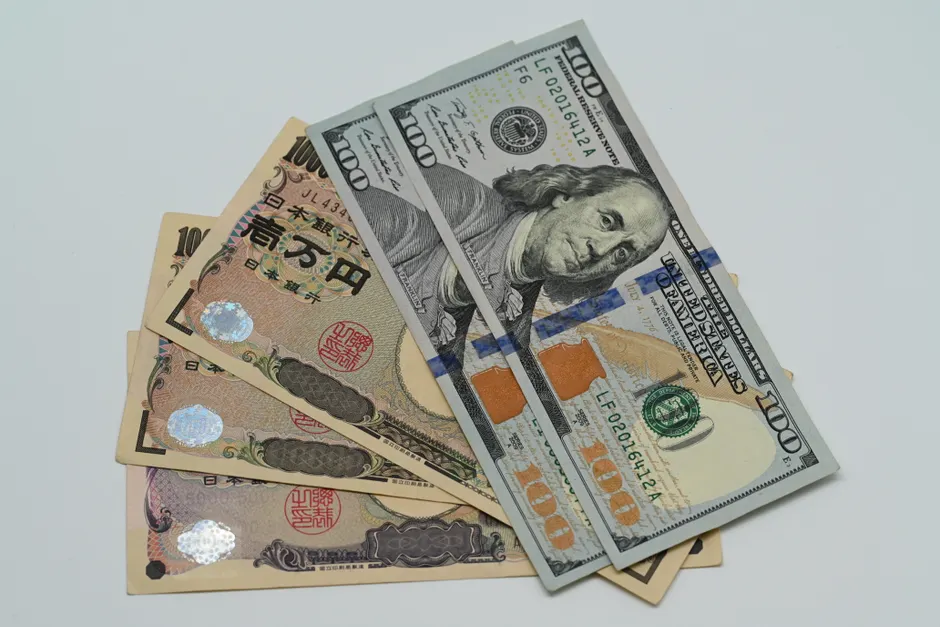
The United States and Japan conducted a joint currency intervention to arrest the yen's slide to 40-year lows against the dollar, with the yen climbing against both the dollar and the euro on Monday, August 3, 2026, as markets watched for further action (Reuters). Two Japanese government officials confirmed on August 2 that Tokyo and Washington would announce they had taken joint action in the currency market (Reuters).
The yen's decline had been steep and prolonged. The dollar hit a new 40-year high against the yen on July 22, 2026 (Reuters). By the week ending around July 30, the dollar had dropped as much as 3% to 158.34 yen after touching those 40-year highs (Reuters). The yen had also recorded its biggest weekly drop in over two months during the week around July 24, buoyed by a rise in oil prices (Reuters).
The U.S. Treasury informed banks it might make trades to strengthen the yen, as investors speculated about an international intervention (WSJ). American participation added heft to earlier solo Japanese interventions, which had set a floor on the yen at around 160 per dollar but failed to provide a lasting boost to the currency (WSJ). Sustaining the yen's gains is expected to be an uphill battle.
The broader market context on August 3 was risk-on. Oil prices dropped and major stock indexes gained on signs that U.S.-Iran tensions were easing, while the yen strengthened post-intervention (Reuters).
Joint U.S.-Japan currency intervention is rare. The two nations last intervened together in this configuration during a period of yen weakness, when coordinated action in New York sent the dollar plunging nearly seven yen in a single session (WSJ). That episode underscores both the potential firepower of combined Treasury and Ministry of Finance action and the structural difficulty of reversing a currency trend driven by wide interest-rate differentials.
The mechanics here matter for market participants. Japan's solo interventions had established a defense line near 160 yen per dollar, but the floor held without generating follow-through momentum. The addition of U.S. participation signals a political commitment that solo MOF operations cannot convey alone, yet the fundamental drivers of yen weakness, a persistent rate gap between the Bank of Japan's accommodative stance and elevated U.S. yields, remain intact. Skepticism among investors that a one-time intervention can durably limit currency moves is well-grounded in precedent; prior BOJ dollar-buying operations met similar doubts about durability.
For currency desks, the key question is whether this joint action marks the beginning of a sustained coordinated campaign or a one-off shot. The Treasury's pre-positioning with banks suggests planning beyond a single operation, but official statements have not committed to a program. The yen's continued climb on August 3 indicates the market is pricing in at least the possibility of follow-up intervention rather than dismissing the move entirely.
Worth monitoring: the interaction between this intervention and BOJ Governor Kazuo Ueda's forward guidance, any shifts in Treasury rhetoric on dollar strength, and whether emerging-market Asian currencies, which have rallied on unconfirmed reports of broader multilateral coordination, sustain gains if those reports remain unverified (WSJ). The yen's next test will come not from intervention mechanics but from whether macroeconomic fundamentals, particularly U.S. inflation data and BOJ policy signals, shift in a direction that supports or undermines the intervention's effects.