Venezuela Resumes US Deportation Flights as Fate of Deportees Amid Earthquakes Comes Into Focus

Venezuela has resumed accepting deportation flights from the United States, reactivating a repatriation channel that had been suspended for weeks before a brief resumption in late March 2025. The New York Times reported on March 23, 2025 that Venezuela accepted a flight carrying deportees from the United States for the first time in weeks, marking an early inflection point in the bilateral repatriation process. The original source for the current resumption, published by The New York Times on August 3, 2026, confirms that the deportation flight pipeline between the two countries is again operational.
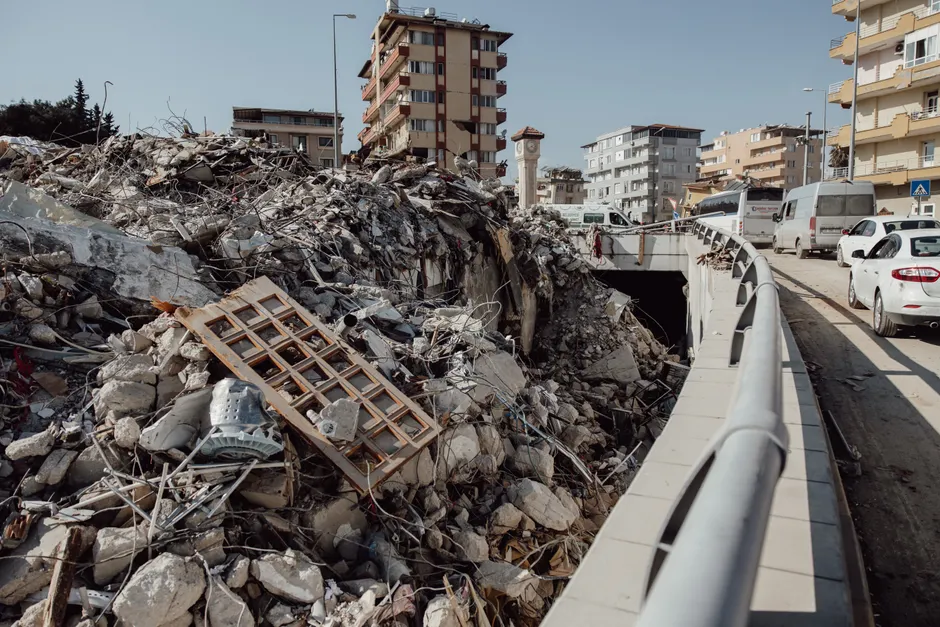
The resumption carries weight beyond logistics. A US deportation flight carrying 147 Venezuelans arrived in Venezuela just hours before earthquakes struck the country, according to The New York Times and El País. Those 147 deportees were being held at a hotel in Caracas that collapsed during the seismic event, as reported by El País on July 3, 2026. The convergence of a deportation flight's arrival and a natural disaster created a situation in which deportees, returned to their country of citizenship, were immediately exposed to a catastrophic structural failure at the facility where they were being processed.
The timeline matters. The March 2025 acceptance of a deportation flight ended a gap of weeks during which Venezuela had not received such flights from the United States. The current resumption, reported on August 3, 2026, indicates that the channel has been reactivated again, though the precise duration of the most recent interruption is not specified in the available sources. What is clear is that the deportation pipeline between Washington and Caracas has been intermittent, subject to diplomatic friction, and marked by periods of suspension.
The earthquake episode injects a dimension that goes beyond standard deportation logistics. When a state deports individuals to a country of nationality, the receiving state assumes custody and processing responsibility upon arrival. In this case, the 147 Venezuelans were held at a Caracas hotel, a arrangement that places deportees in a liminal status: returned to their country but not yet fully released into it. The collapse of that hotel during the earthquakes meant that deportees were subjected to a structural catastrophe at the precise moment they were in state-managed holding. El País reported on families searching amid chaos and government obstacles, suggesting that the aftermath of the collapse has been marked by difficulty in locating and accounting for the deportees who were inside the building.
The broader context here involves the intersection of US immigration enforcement and Venezuela's capacity to manage returnees under conditions of infrastructure stress. Deportation flights are a mechanism through which the United States removes non-citizens to their country of citizenship, typically under bilateral arrangements that govern frequency, verification of nationality, and post-arrival handling. When those arrangements break down, flights pause. When they resume, the resumption itself signals a diplomatic accommodation, even if temporary.
The fact that the 147 deportees were held at a hotel rather than a dedicated immigration processing facility raises questions about Venezuela's infrastructure for receiving returnees. Hotel holding is not standard practice in most repatriation frameworks, which typically involve designated reception centers. The use of a hotel suggests either ad hoc arrangements or a formal policy of contracting private accommodations for temporary detention. Either way, the collapse of the building exposed the vulnerability of deportees who have no control over where they are held upon arrival.
The reporting from El País, published July 3, 2026, is the most recent and detailed account of the deportees' fate, describing families conducting searches amid what the outlet characterized as government obstacles. This reporting, combined with the New York Times account of the earthquake's timing relative to the flight's arrival, establishes a sequence: deportation flight lands, deportees transferred to hotel, earthquakes strike, hotel collapses. The human consequences of that sequence are still being reported.
Looking at what the August 3, 2026 resumption means for the broader deportation framework, several stakes are visible. First, the United States is continuing to pursue removals to Venezuela despite the documented risks that the July earthquake episode exposed. Second, Venezuela is accepting returnees despite the apparent strain on its processing infrastructure. Third, the fate of the 147 deportees from the earlier flight, some of whom were in a collapsing building, remains a live story that colors every subsequent flight. Families searching for relatives amid government obstruction, as El País reported, is not a condition that resolves cleanly.
The resumption of flights does not erase the earthquake episode. It builds on top of it. Each subsequent flight carrying deportees to Venezuela now operates in the shadow of a documented case in which deportees were placed in a structure that failed catastrophically. For policymakers, the question is whether reception and holding arrangements have been reviewed and modified. For the deportees on future flights, the question is what facility awaits them on arrival, and whether it can withstand the country's seismic risk profile. Neither question is answered in the available reporting, but both are now unavoidable.