Keychron K2 HE Concrete Edition Brings Material Innovation to Magnetic Switch Keyboards
Keychron K2 HE Concrete Edition Brings Material Innovation to Magnetic Switch Keyboards
Keychron has expanded its K2 HE magnetic switch keyboard lineup with the Concrete Edition, a 75% compact keyboard priced at $199.99 that features a marble-like concrete shell and 8K polling rate functionality. The release represents the company's latest iteration of its wireless magnetic keyboard technology, building on a portfolio that now spans more than 40 keyboard models.
Technical Specifications and Design
The K2 HE Concrete Edition employs Gateron Double-Rail Magnetic Nebula switches with 4mm total travel distance, delivering the analog input capabilities that Hall effect technology enables. The keyboard maintains the 8K polling rate found across the K2 HE series, positioning it for applications where ultra-low input latency matters most.
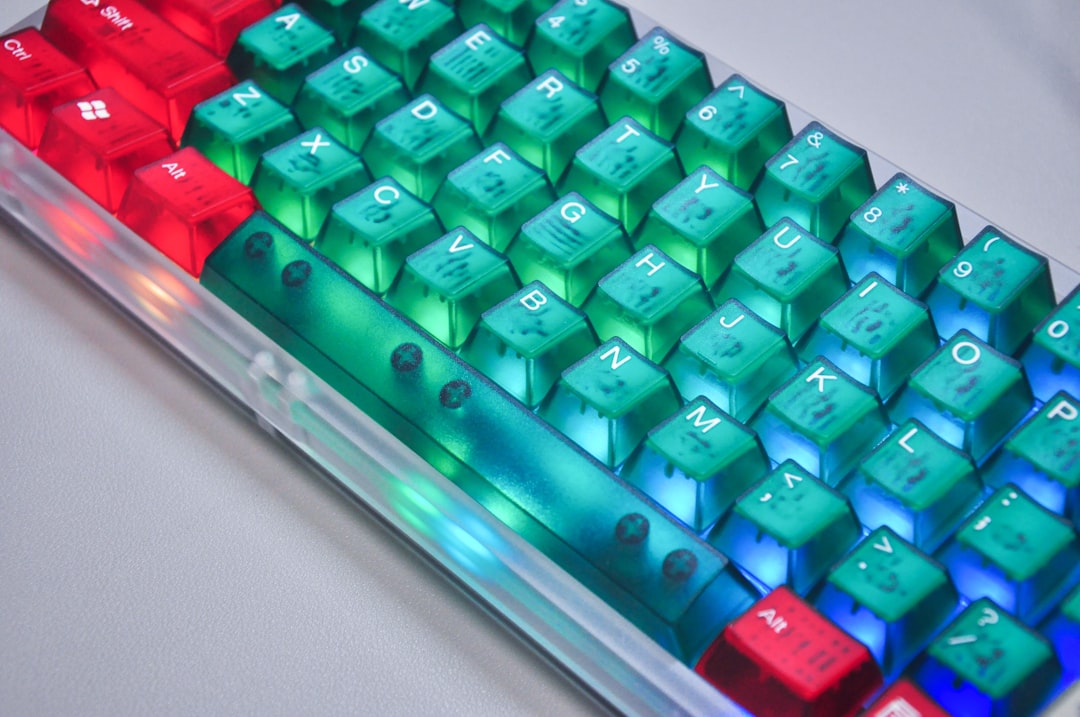
The concrete housing distinguishes this model from the standard K2 HE variants. Where the Resin Edition uses transparent PC keycaps in an OEM profile to showcase backlighting, the Concrete Edition opts for durable double-shot PBT keycaps in an OSA profile. The concrete shell provides a tactile and visual departure from traditional plastic or aluminum keyboard construction.
Keychron has equipped the Concrete Edition with the same customization framework found in other K2 HE models. Users can configure the magnetic switches and key mapping through Keychron Launcher software, taking advantage of the analog nature of Hall effect switches to set custom actuation points and response curves.
Magnetic Switch Context
Hall effect keyboards have gained traction in the enthusiast and gaming communities due to their contactless switch design, which theoretically extends switch lifespan while enabling variable actuation points. Unlike traditional mechanical switches that rely on physical contact to register keypresses, magnetic switches use Hall sensors to detect the position of a magnet within the switch housing.
This technology allows for rapid trigger functionality, where a single physical keypress can register multiple inputs based on the switch's travel position. For gaming applications, this translates to potential advantages in scenarios requiring repeated inputs or precise timing control.
The broader context here points to an interesting convergence in the keyboard market. We have seen this pattern before, when gaming-focused features eventually migrate into productivity-oriented keyboards. The transition from mechanical switches being purely enthusiast products to mainstream adoption followed a similar trajectory in the early 2010s. Hall effect switches appear to be following that same path, moving from niche gaming keyboards into more general-purpose models like the K2 HE series.
Keychron's Market Position
Keychron has built recognition among mechanical keyboard enthusiasts through its focus on wireless functionality and open-source firmware support. The company claims to have been the first to introduce Bluetooth, 2.4G, and Hall effect functionality to QMK open-source firmware, and led the integration of ZMK firmware into mass production keyboards.
The company's web-based configuration software represents another differentiation point, requiring no local downloads or updates while maintaining cross-platform compatibility between Mac and Windows systems. This approach addresses a common friction point in keyboard customization, where users often need to manage separate applications for different devices.
Industry recognition from publications including CNN, The New York Times, The Verge, Wired, Engadget, ZDNet, and PCWorld has positioned Keychron among established mechanical keyboard manufacturers. The company's emphasis on open-source compatibility aligns with the broader enthusiast community's preference for customizable firmware and hardware modification support.
Material Innovation Considerations
The concrete construction of this K2 HE variant raises questions about practical durability and user experience. Concrete offers unique aesthetic and tactile properties but brings different considerations around weight, temperature retention, and long-term wear patterns compared to traditional keyboard materials.
From a manufacturing perspective, incorporating concrete into a consumer electronics product presents challenges around consistency, quality control, and shipping logistics. The material choice suggests Keychron is targeting users who prioritize distinctive aesthetics alongside the functional benefits of magnetic switch technology.
The $199.99 price point positions the Concrete Edition in the premium segment of the 75% keyboard market. This pricing reflects both the specialized material construction and the inclusion of Hall effect switches, which typically carry a cost premium over traditional mechanical alternatives.
Technical Implementation Details
The 8K polling rate specification indicates the keyboard can report input changes up to 8,000 times per second to the host device. While this exceeds the refresh rates of most displays and the response capabilities of most applications, it provides headroom for scenarios where input timing precision matters most.
The Gateron Double-Rail Magnetic Nebula switches use a dual-rail design to maintain key stability during travel. The 4mm total travel distance falls within the typical range for mechanical switches, allowing the magnetic sensing technology to operate within familiar tactile parameters.
Keychron's decision to make the keyboard mostly open source aligns with the company's broader approach to hardware modification and community development. This openness extends to both firmware and hardware design elements, supporting users who want to modify or extend the keyboard's functionality.
Market Implications
The introduction of material variants like the Concrete Edition suggests the magnetic switch keyboard segment is maturing beyond purely functional differentiation. As the core technology becomes more standardized, manufacturers are exploring aesthetic and tactile differentiation through housing materials and design elements.
Looking at what this means for the broader keyboard market, the success of niche material experiments like concrete construction may influence other manufacturers to explore unconventional materials and finishes. The approach follows established patterns in other consumer electronics categories, where material innovation often follows functional innovation as markets mature.
The K2 HE Concrete Edition represents Keychron's continued expansion of its magnetic switch keyboard offerings, bringing material experimentation to a technology category that has traditionally focused on switch mechanics and electronic performance. Whether concrete construction proves practical for daily use will largely depend on user preferences around weight, temperature, and tactile experience in extended typing scenarios.