Capybaras Roam Mato Grosso Legislative Assembly, Drawing International Attention
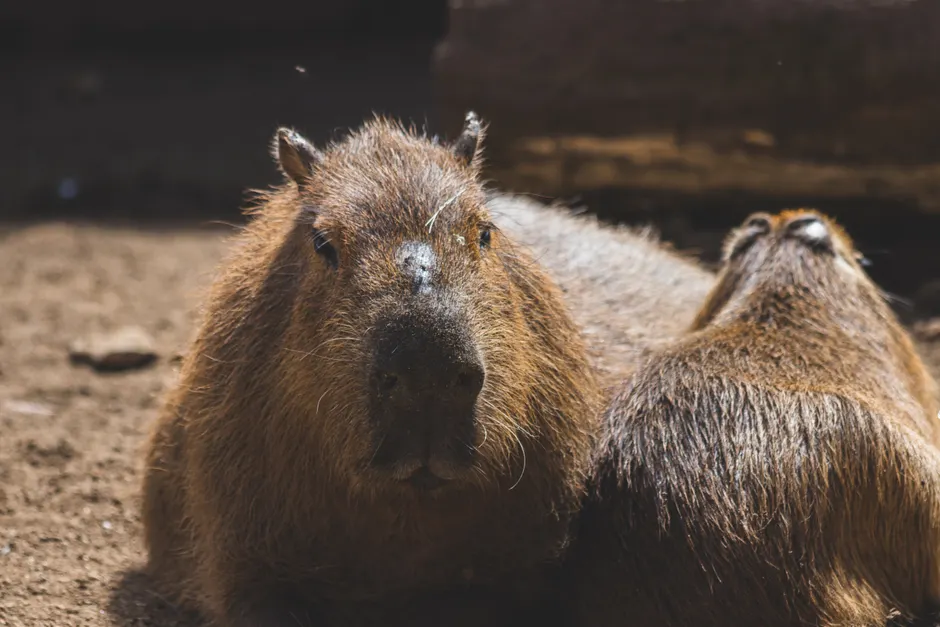
On July 30, 2026, capybaras entered the Mato Grosso Legislative Assembly (ALMT) in Cuiabá and walked through the building's reception area. Video captured by a civil servant shows the animals calmly roaming the halls while she attempts to gently guide them back outside AP News. The footage circulated widely and was picked up by international media outlets Folha de S.Paulo.
The most recent reporting, published August 5, 2026, puts the number of capybaras involved at five Folha de S.Paulo. An earlier account had described two capybaras entering the building G1. The discrepancy likely reflects the difference between the number initially observed and the fuller count established as the story developed, though the sources do not explicitly reconcile the figures.
The incident is less anomalous than it might appear. Capybaras inhabiting Cuiabá's Parque das Águas regularly transit through the area surrounding the Legislative Assembly, according to an ALMT document. The legislature sits within an established wildlife corridor, and the capybaras' presence in the vicinity is a known, recurring pattern rather than a one-time incursion.
Mato Grosso state law already provides for an underground passage designed to protect animals, with particular emphasis on capybaras that cross the Legislative Assembly area, according to a legislative document dated June 19, 2024. The measure signals that lawmakers had previously recognized the overlap between the legislature's physical footprint and the capybaras' habitual routes and had taken at least a legislative step toward mitigating the conflict.
The broader context here is the friction between urban expansion and wildlife habitat in Cuiabá, a state capital in Brazil's central-west region. The Parque das Águas, a green space that sustains capybara populations, sits in close proximity to government buildings. As the animals move between feeding and resting areas, they routinely cross developed land, including the grounds of the Legislative Assembly. The July 30 intrusion into the building itself represents an escalation of that routine crossing from exterior grounds into interior spaces, but it is rooted in the same spatial overlap that prompted the 2024 legislation.
The viral spread of the civil servant's video also matters. International media attention on a story of this kind tends to amplify local wildlife-management questions into broader conversations about urban ecology and coexistence with large rodent species in Brazilian cities. The capybara, native to South America and the largest living rodent, has become a recurring subject of internet fascination, which almost certainly contributed to the speed and reach of the video's circulation.
What remains unresolved is whether the existing underground passage legislation has been fully implemented and whether it is functioning as intended. The July 30 incident suggests that whatever measures are in place did not prevent the animals from entering the building. The gap between a law on the books and its physical execution on the ground is a familiar challenge in environmental policy, and the capybaras of Cuiabá offer a small but vivid illustration of it.


