Senate Passes Lindsey O. Graham Sanctioning Russia Act 86-11, Sending Sweeping Tariff and Sanctions Bill to House

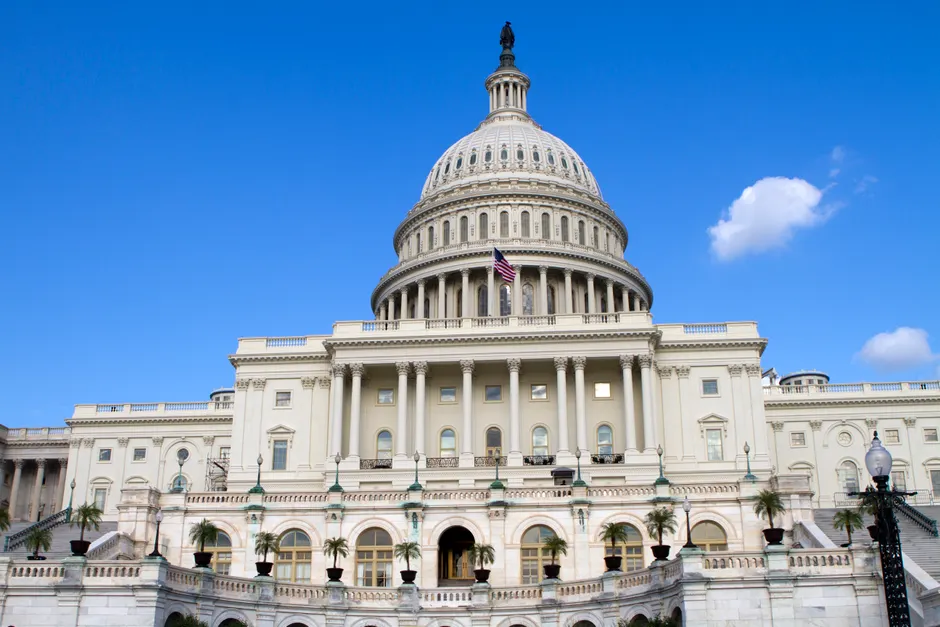
The US Senate approved the Lindsey O. Graham Sanctioning Russia Act on August 7, 2026, by an 86-11 vote, clearing the most consequential Russia sanctions legislation in years for the House of Representatives. The Guardian
The bill, designated S.5025 in the 119th Congress, would impose new sanctions and visa bans on Russian President Vladimir Putin and top military commanders, tariffs of up to 500% on Russia's exports, and primary and secondary sanctions against actors supporting Russia's war in Ukraine. It would also authorize President Donald Trump to impose levies of up to 100% on goods from the top five importing countries of Russian oil and gas. The Guardian; Whitehouse Senate Office
The legislation is named for the late Republican senator Lindsey Graham of South Carolina, who died in July 2026 at age 71 following a trip to Kyiv. Graham had been a leading voice on Capitol Hill for tougher measures against Moscow. He and Democratic senator Richard Blumenthal led 50 senators in introducing the original sanctions framework in April 2025. An updated version was unveiled on July 14, 2026, before the current bill was formally introduced in the Senate on July 16, referred to the Banking, Housing, and Urban Affairs Committee, and brought to the floor. The Guardian; Reuters; Congress.gov
The Senate's procedural motion to advance the bill occurred on the day of Graham's funeral last month, with Ukrainian President Volodymyr Zelenskyy observing from the chamber. Darline Graham, the late senator's sister, was appointed to his Senate seat after his death and presided over the Senate when the bill's passage was announced. The Guardian
Rand Paul of Kentucky was the sole Republican to oppose the bill, joined by 10 Democrats. Paul, together with Democratic senator Ron Wyden of Oregon, offered an amendment to strip some new tariff authority from the measure; the Senate rejected it 32-64. Wyden also voted against final passage. The Guardian
The bipartisan margin of 86-11 exceeded the expectations Graham himself had articulated in February, when he said he expected a supermajority to vote for the sanctions bill and that he would "try to get the biggest vote possible." Graham Senate Office
Senate Minority Leader Chuck Schumer urged Trump to use the sanctions against Putin once the bill reaches his desk. The bill now heads to the House of Representatives, which may consider it after returning from recess at the end of August. A related House bill, H.R.6856, has already been introduced in the 119th Congress. The Guardian; Congress.gov
The bill's secondary-sanctions architecture is its most operationally significant element. By authorizing tariffs of up to 100% on goods from the top five importers of Russian oil and gas, the legislation would give the executive branch a tool to exert pressure not on Moscow directly but on third-country buyers, potentially including major economies such as China and India. Reuters reported that the bill authorizes stiff tariffs on both. The earlier July 14 update to the legislation eased some of the threat-level tariffs on China and India compared with previous drafts, suggesting a calibrated approach that retains leverage while reducing the immediate risk of a trade confrontation with those governments. Reuters; Reuters
The 500% tariff ceiling on Russian exports, combined with the personal sanctions on Putin and senior commanders, would layer punitive economic measures on top of the existing sanctions architecture that has accumulated since the full-scale invasion of Ukraine. The primary and secondary sanctions designation also means that foreign financial institutions, entities, and individuals facilitating Russia's war effort could face US penalties.
The discretionary nature of several provisions, particularly the 100% tariff authority delegated to the president, leaves considerable room for executive interpretation. Schumer's public pressure on Trump to "use the sanctions against Putin" reflects an awareness within the Senate that passage is only the first step; the legislation's actual impact will depend on how aggressively the executive branch chooses to deploy its tools. The House timeline, with consideration unlikely before late August at the earliest, means the bill's final form and enrollment could still shift. Whether the House takes up S.5025 directly or moves its own H.R.6856, any differences would need to be reconciled before the legislation reaches the president's desk.
Graham's death and the renaming of the bill in his honor lent the vote a memorial character that may have broadened its support. The visual of Zelenskyy in the chamber for the procedural advance, and of Darline Graham presiding over the passage announcement, underscored the personal and geopolitical threads woven into the legislative process. Whether that momentum survives a House recess and the practical calculations of secondary sanctions enforcement is the question that will shape what comes next.