Mexico Is Deploying Nearly 100,000 Security Workers for the 2026 World Cup

Mexico Is Deploying Nearly 100,000 Security Workers for the 2026 World Cup
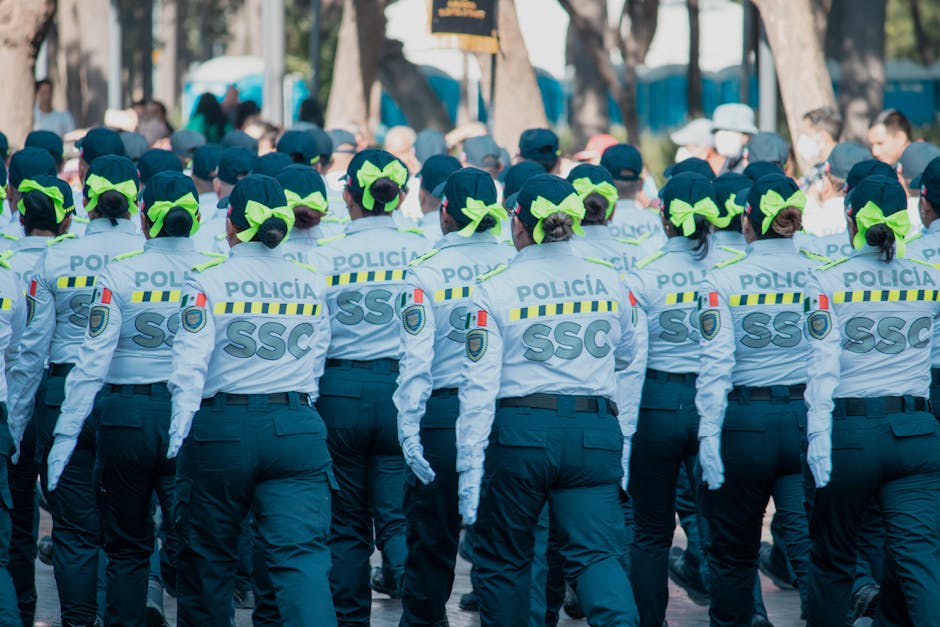
Mexico's government has announced Plan Kukulcán, a massive security operation for the 2026 FIFA World Cup. Nearly 99,000 people will be deployed to protect the tournament in three cities: Mexico City, Guadalajara, and Monterrey. This is one of the largest security operations Mexico has organized during peacetime.
The operation will involve military personnel, police, and specialized security teams. About 20,000 will come from the military and National Guard. Another 55,000 will come from civilian security agencies. General Román Villalvazo Barrios is overseeing the entire operation, which means one person is in charge of coordinating all these different security forces.
How Monterrey Will Be Secured
Monterrey will host four World Cup matches, including important knockout games. The military will directly control security around Estadio Monterrey, the airport, and hotels where FIFA officials will stay.
During matches, roads around the stadium will be closed. Security teams will check fans more carefully at entry points—scanning tickets and bags with extra care. The city has also trained 166 new local police officers specifically for World Cup duties.
One unusual addition: Mexico plans to use robot dogs for security. These are small, wheeled robots with cameras that can patrol areas and watch crowds without putting human security workers in danger.
Why This Scale of Security?
The broader context here is important. The 2026 World Cup is different because three countries are hosting it together—Mexico, the United States, and Canada. Mexico's government wants to show that it can handle a massive, complex operation smoothly. That's why they're deploying this many personnel.
The robot dogs and other advanced technology signal that Mexico wants to modernize its security approach. But integrating new technology with traditional police work at a massive event is untested—and risky if something goes wrong.
The Coordination Challenge
Getting nearly 100,000 people from different agencies to work together is extraordinarily difficult. The military, federal police, and local police all have different training, equipment, and chains of command. One leader (General Villalvazo Barrios) is trying to prevent confusion and establish clear responsibility if problems occur.
The tri-national hosting structure adds another layer of complexity. Security teams from Mexico, the United States, and Canada need to share information about threats and coordinate their responses across three different countries with three different legal systems. That coordination has never been tested at this scale before.
What Comes Next
Plan Kukulcán will be closely watched. How well Mexico executes this operation will shape how other nations plan security for large international events. The experience—both with managing 100,000 personnel and with using new technology like robot dogs—will provide lessons for future operations.
The real measure of success won't be how many security workers showed up, but whether fans feel safe, the tournament runs without major incidents, and coordination between countries works smoothly. If Plan Kukulcán succeeds, it changes what's possible for large international events. If it struggles, that will matter too.