The World Cup Is Coming to Mexico—And to Cartel Territory
The World Cup Is Coming to Mexico—And to Cartel Territory
In two days, on June 11, 2026, Mexico City's Estadio Azteca will kick off the 23rd FIFA World Cup. This will be the biggest World Cup ever: 48 teams, 104 matches, spread across Canada, Mexico, and the United States.
That much is exciting. But there is a serious complication. One of the tournament's Mexican host cities, Guadalajara, sits in the heartland of the Jalisco New Generation Cartel—known as CJNG. This is one of the most powerful criminal organizations in the Western Hemisphere. Hosting thousands of visitors, journalists, and broadcasting the games to millions while a major cartel operates in the same city raises real security questions.
Guadalajara is scheduled to host four group-stage matches—meaning tens of thousands of foreign fans will be in the middle of territory the CJNG controls.
What Mexico Is Doing—And What It Can't Fix
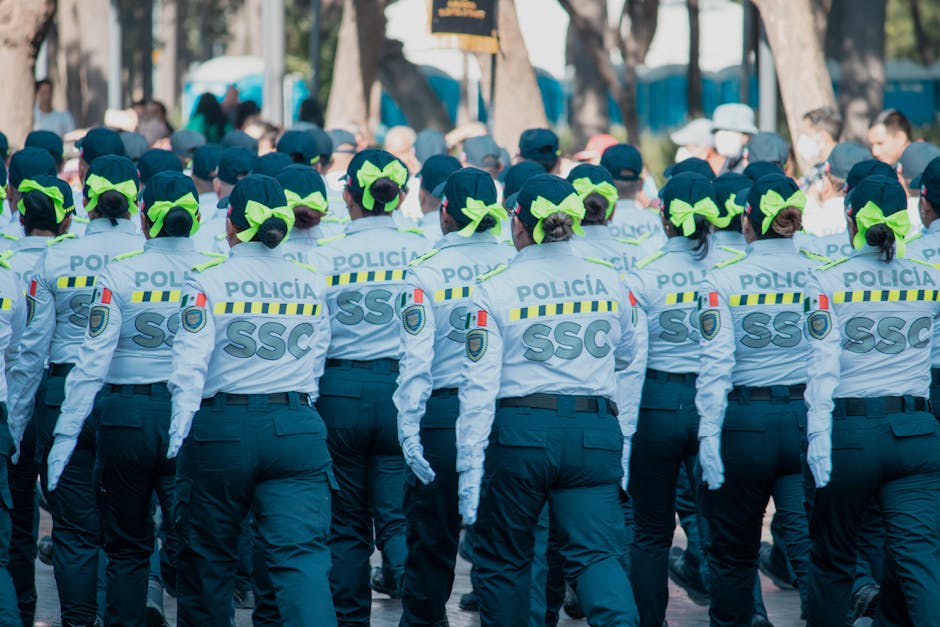
Mexico has significantly increased security preparations for the tournament. This includes more federal police, military coordination, and intelligence sharing with the U.S. and Canada. These are standard moves for any major international event.
But here is the core problem: Mexican cartels do not work like armies fighting for territory. Instead, they operate like diversified businesses—illegal ones. They run extortion rackets, steal fuel, take cuts from construction contracts, and distribute drugs. They embed themselves into local economies. When security forces add checkpoints or increase police presence, they cannot simply erase these criminal networks. The cartels have roots that go deeper than surface-level security can reach.
A World Cup is, from a cartel's perspective, a temporary expansion of opportunity. Hotels, vendors, transport companies, ticket sellers—all of these mean more money flowing through the local economy. That money can be taxed, extracted, or exploited by criminal groups operating in the shadows.
Amnesty International has warned that the tournament could become a "stage" for organized crime across North America. When they say this, they are not primarily talking about violence—cartels often avoid high-profile violence during major events. Instead, they mean quieter forms of exploitation: money laundering, pressure on contractors to pay protection money, and steering contracts to criminal associates.
For a business or delegation visiting the World Cup, the real risk is not about being caught in gunfire. The real risk is operating in an environment where informal payments and ties to criminal networks are just part of how business gets done.
Why This Happened Before—And What Happened Then
This is not new. The 2014 FIFA World Cup took place in Rio de Janeiro, Brazil. At that time, armed groups called milícias—connected to law enforcement—controlled neighborhoods near the stadium and fan zones. Brazilian authorities launched high-profile security programs before the tournament. But experts disagreed on whether these actually reduced violence or just moved it somewhere else.
The deeper problem was never solved: poverty, weak local government, and lack of economic opportunity. Those conditions existed before the World Cup, and they existed after it ended.
Mexico's situation is different in one important way: CJNG is far larger and more powerful than Rio's milícias were. But the pattern is the same. Mexico is investing heavily in visible security while the underlying problems—poverty, weak government, cartel power—remain untouched.
Three Countries, Three Different Worries
This World Cup is more complicated than any before it because three countries are involved. The United States, Canada, and Mexico each have different laws, different police forces, and different ways of dealing with cartels.
The U.S. is less concerned about violence at American stadiums. Instead, it worries that the World Cup will provide cover for cartels to move people, money, and drugs across the border in the chaos of legitimate travel. Homeland Security and the Drug Enforcement Administration have both stepped up patrols.
Canada has a different problem. CJNG networks have grown significantly in Canadian cities, particularly in distributing fentanyl. A massive international event creates new opportunities for criminal groups to coordinate and recruit.
FIFA, the World Cup's governing body, has limited power here. It cannot arrest anyone or investigate crime. But FIFA's reputation is at stake. The organization recently promised reforms to clean up corruption. If this World Cup becomes linked to cartel exploitation—even indirectly—it will be a major public relations problem.
What Guadalajara Residents Are Thinking
For people who live in Guadalajara, the World Cup brings both excitement and caution. The city has a strong football culture and real pride in hosting matches. But CJNG's presence is not abstract for locals—it shapes daily life in ways that security briefings do not capture.
Journalists and civil rights groups in Jalisco have documented how CJNG restricts what people can do in certain areas. During sensitive periods, the cartel has banned visible activities. A World Cup might create an unusual period of calm—cartels do not want international incidents—but it will not change the fundamental situation. The tournament runs from June 11 to July 19, 2026. On July 20, CJNG will still be there.
What Happens Next Matters
The broader context here is that much of what happens during the World Cup will happen out of sight. For most fans watching on television, the games will look normal and fun. But the quieter story—whether cartels are extracting money, whether contractors face pressure, whether criminal networks use the event to expand—will unfold largely invisible to the global audience.
Worth tracking over the next month: investigative journalists at outlets like Animal Político might break stories about extortion or protection payments involving World Cup contractors. U.S. or Mexican authorities might announce arrests of cartel members linked to World Cup infrastructure. International monitoring organizations might eventually publish reports on organized crime during the tournament.
These details matter more than the final scores. They will tell us whether the security measures actually addressed the real problem, or whether they just created the appearance of control while the cartels continued operating underneath.


