Europe Keeps Getting Hit by Heatwaves — Here's What's Happening

Extreme heat warnings were in effect across Britain and France on 10 August 2026, with temperatures forecast to reach the mid-30s Celsius during the week, as Europe confronted its latest in a relentless summer sequence of heatwaves that has already killed thousands and strained infrastructure across the continent Al Jazeera.
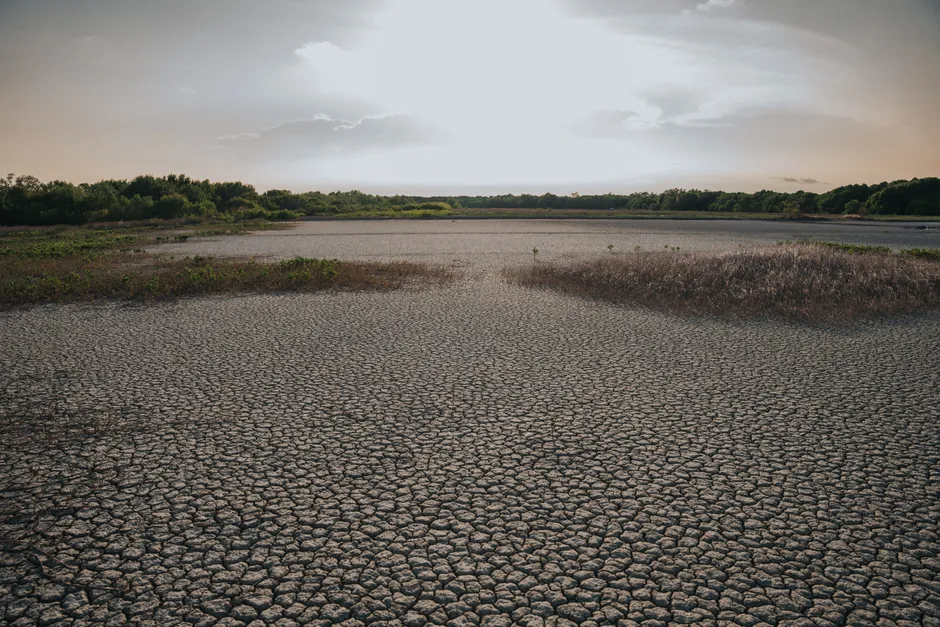
Britain was preparing for its fifth consecutive heatwave of 2026. The Met Office issued an Extreme Heat Warning from Monday through Thursday, with temperatures widely expected to exceed 35°C and peak around 36°C in parts of southern and central England, including East Anglia, by Thursday Met Office. More than 27 million people in Britain were living under water-use restrictions, with the government imposing irrigation limits on farmers and hosepipe bans — rules that stop people from using garden hoses — in some regions. Tony Grayling, the Environment Agency's Director of Sustainable Business and Development, said the hot and dry weather "is taking a real toll on farming" with long-lasting environmental impacts Al Jazeera.
France was bracing for its own fifth heatwave of the season. The government announced on 10 August that water-use restrictions now applied to 70 percent of the country as drought conditions worsened amid successive heatwaves. Météo-France issued an orange heatwave alert — the second-highest level of warning — at 06:00 Paris time on 10 August for departments 18, 03, 71, 39, 25, 19, 13, 04, and 05. The agency's three-month outlook for August through October 2026 indicated the most probable scenario was a continuation of a weather pattern where a zone of high pressure stays parked over northern Europe, trapping hot air underneath it. That suggested the atmospheric pattern driving this summer's extremes was unlikely to break soon.
The immediate impact extended well beyond temperature readings. Wildfires fuelled by parched conditions were burning in Greece and Spain. In Andalusia, firefighters struggled to contain blazes around the medieval town of Niebla. Antonio Sanz, Andalusia's emergencies chief, said nearly 500 people had been evacuated from the area. Spain's national weather agency AEMET reported that July 2026 was the country's joint-hottest July since records began in 1961 and its driest, with just 4.3 millimetres of rainfall, representing 26 percent of normal precipitation for the month.
In Germany, the BDB inland shipping association warned that vessels would soon be unable to navigate parts of the Rhine as water levels dropped due to soaring temperatures and low rainfall. BDB managing director Jens Schwanen said that "with such low water levels commercial shipping could no longer transport goods in the region," meaning the Rhine was "no longer continuously navigable and divided in two." The Rhine is one of Europe's most important routes for moving goods by boat, so the disruption directly affects supply chains for chemicals, coal, and agricultural products that rely on barge transport. Soaring temperatures were also forecast in Switzerland, Austria, and Hungary for the same week.
This latest heatwave follows a devastating June and July across Western Europe. Record-breaking temperatures in June, when Britain and Switzerland broke their June temperature records and summer's first 40°C readings were recorded in France and Britain, sparked wildfires, dried out rivers, and contributed to thousands of deaths. European countries reported more than 10,000 excess deaths — meaning deaths above the number that would normally be expected for that time of year — during the late-June heatwave alone, which peaked across France, Spain, and Britain Reuters. At least 50 people died in France during the June heatwave, which also disrupted the French power grid, shuttered schools in Britain, and prompted Italy to put 16 cities on alert. The Met Office additionally reported a significant marine heatwave around UK waters, with surface temperatures running 2°C above average and locally 4-5°C above average.
Europe is the fastest-warming continent on the planet, a distinction that adds a grim throughline to the 2026 summer. The Met Office's August outlook suggested heat could return later in the month, depending on the strength of high-pressure systems. Météo-France's seasonal outlook for June through August had already favored a warmer-than-normal scenario across western Europe.
The broader context here is one of stress building on top of stress. Each successive heatwave this summer has drawn down water reserves further, leaving less of a cushion to absorb the next one. Britain's five consecutive heatwaves, France's five of the season, Spain's record-dry July, and the Rhine's navigability crisis are not isolated events but interconnected symptoms of a single persistent weather pattern, one that seasonal models suggest may persist into autumn. For governments, the challenge is no longer responding to one emergency at a time but managing overlapping crises across farming, energy, transport, and public health, with drought conditions and water restrictions piling up rather than resetting between heatwaves.