What Happened in the Nigeria Police Shootout That Killed 10 Officers
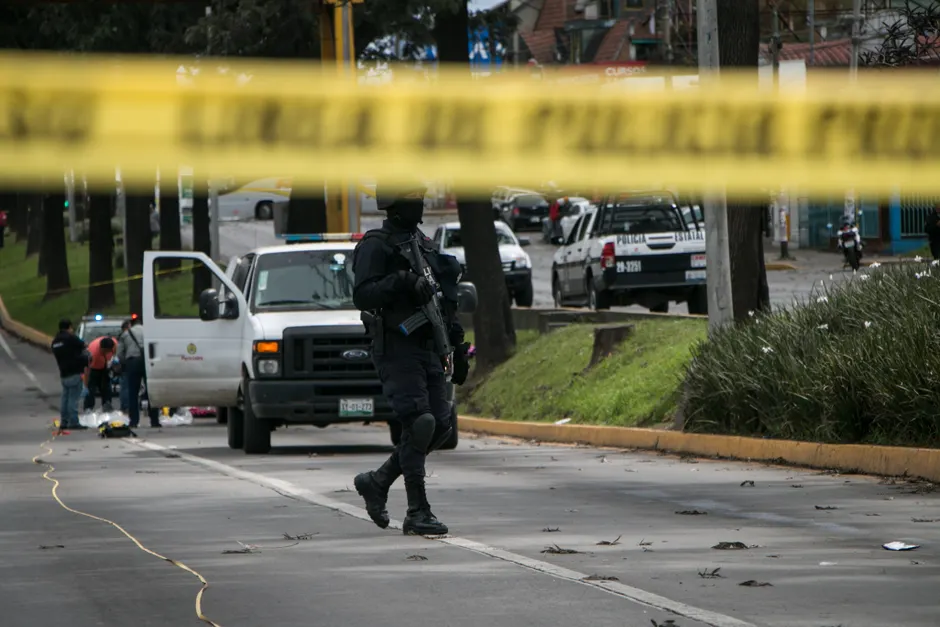
At least 10 Nigerian police officers were killed in a gunfight with a large armed group in Kebbi State, northwestern Nigeria, on Monday, August 10, 2026. Nigerian police said 17 suspected bandits and two civilians also died, according to Al Jazeera.
The fight started when police encountered a group of about 240 suspected bandits riding on more than 200 motorcycles, moving from Zamfara State into neighboring Kebbi State. A police report dated August 10 said that information available to officers at around 7:40 p.m. indicated the armed bandits had already launched an attack, Sahara Reporters reported.
Kebbi State police spokesman Bashir Usman told AFP that two officers were injured and receiving medical care. He also said the final death toll was still being counted, Al Jazeera reported.
A few details about this clash stand out. A group of 240 fighters traveling together on motorcycles is not a random ambush. It suggests planning, scouting of routes, and confidence that the group could fight off anyone trying to stop them. Think of it less like a surprise street crime and more like a military-style raid. The fact that police engaged this large group directly, rather than calling for military backup first, raises questions about how well-equipped state-level police are for this kind of threat.
The death toll — at least 10 officers, 17 suspected bandits, and two civilians — makes this one of the deadlier single clashes in the region in recent months. The ratio of losses is also worth noting. When security forces ambush an armed group, they usually kill far more of the enemy than they lose themselves. Here, the losses were more even, which suggests police may have been caught off guard by a coordinated attack, or that the bandits' large numbers and weapons let them fight back hard.
The movement from Zamfara into Kebbi follows a pattern that has been documented for years. Armed groups in northwestern Nigeria operate across state borders, taking advantage of the fact that rural areas have few police or soldiers and that chasing a group across state lines is hard to coordinate. Zamfara has been a common staging ground, with fighters launching raids into neighboring Kebbi, Sokoto, and Niger States. Motorcycles are their go-to transport because they can move quickly across rough terrain where police vehicles cannot follow.
The broader context here is the ongoing pressure on the Nigerian government to deal with banditry in the Northwest. This crisis has been happening alongside the better-known Boko Haram insurgency in the country's Northeast, though the two conflicts have different causes. The bandit crisis has forced many people to flee their homes, with communities across Zamfara, Kebbi, Sokoto, and Kaduna States facing repeated attacks. Kebbi is not the most frequently targeted state, but it has had enough cross-border raids to stay on high alert.
One key question is whether police knew the bandit convoy was coming before they encountered it. The police report mentions information received at about 7:40 p.m., which suggests some kind of early warning. But it is not yet clear how that information was gathered or what was done with it. If police did have advance notice, then sending a force that lost 10 officers raises questions about whether they had enough people and equipment for a group this large. If they did not have advance notice, it shows how difficult it still is to keep watch over rural areas in the region.
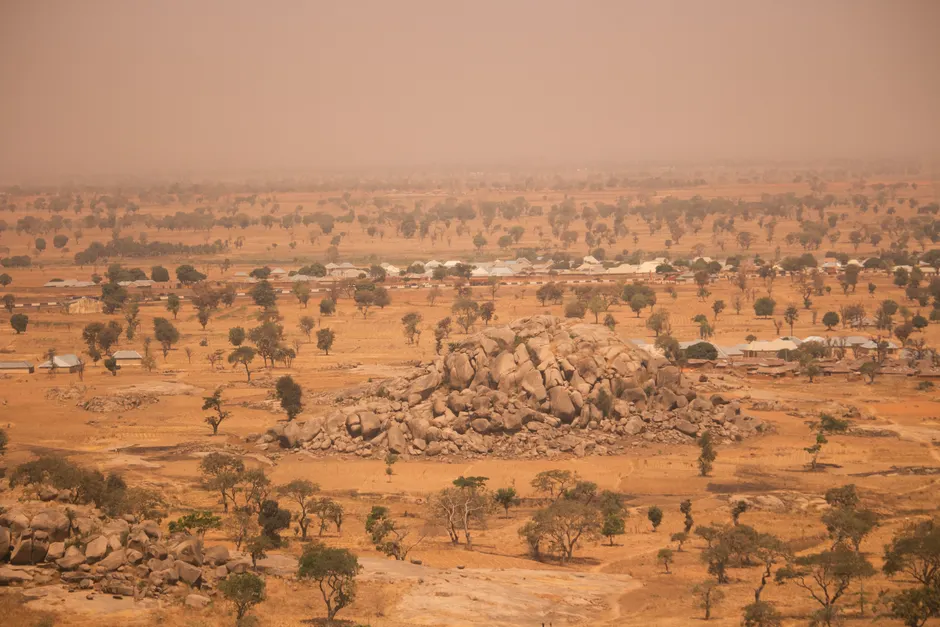
Usman's statement that the final death toll is still being assessed is a routine caveat. In past incidents in the Northwest, initial police counts have sometimes gone up as more bodies are found at remote attack sites. The land along the Kebbi-Zamfara border is mostly farmland and sparse bush, which can make it hard to search the area quickly.
The death of two civilians in the clashes will draw attention from both state authorities and human rights groups. It has not been reported whether the civilians were caught in the crossfire, targeted by the bandits, or harmed in some other way.