Nigerian Soldiers Rescue 33 People Kidnapped on a Highway

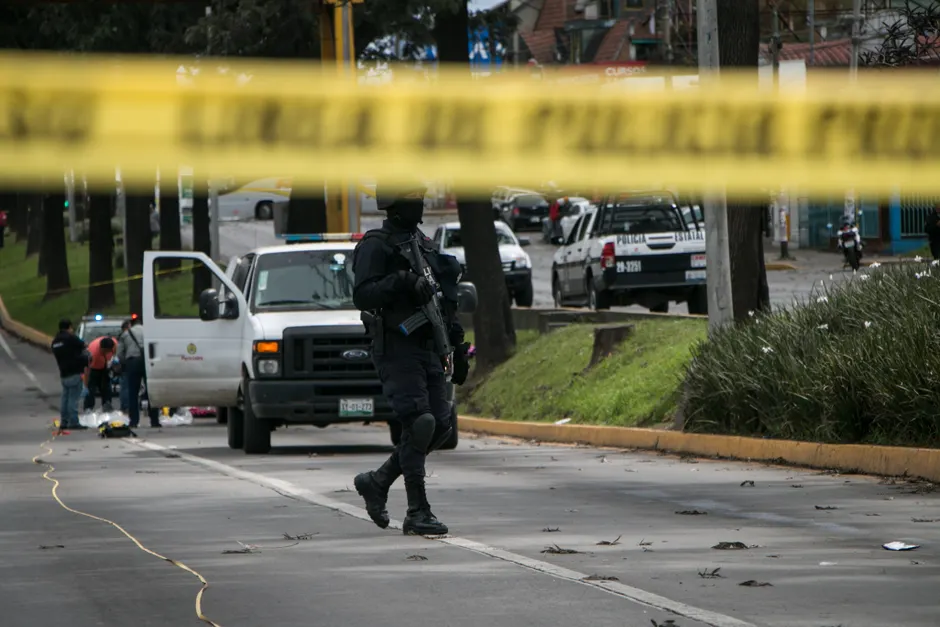
Nigerian army troops rescued 33 people on August 8, 2026, shortly after they were kidnapped by armed men in the Tsafe area of Zamfara state. The rescue, carried out by troops of Operation FANSAN YAMMA, resulted in the recovery of all hostages without any casualties Voice of Nigeria.
The 33 travellers were abducted in the late afternoon near Magazu, in Tsafe Local Government Area of Zamfara State. According to army spokesman Lt-Col Aliyu Danja, Nigerian army troops mobilised alongside police immediately after hearing about the abduction. The military intercepted the kidnappers while they were moving the hostages to an unknown location. Danja said it was unclear where the abductors were moving their captives when troops intercepted them BBC.
Upon coming under fire from the troops, the gunmen fled into nearby bush, abandoning the hostages. The army confirmed that all 33 passengers were recovered without any casualties The Nation.
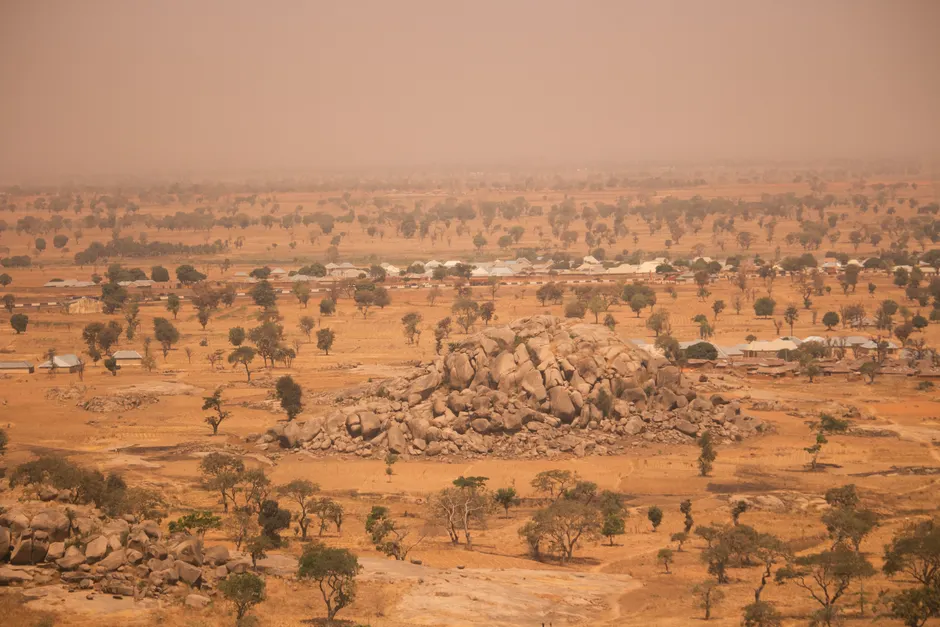
Zamfara state is in Nigeria's northwest, a region that has struggled with armed banditry and kidnapping for several years. Groups operating in the area use the region's forests as hiding places and escape routes, targeting travellers on highways and people in rural communities. Operation FANSAN YAMMA is a military effort specifically designed to go after these groups.
The broader context here is how Nigeria's security forces are operating in the northwest. In this case, troops acted fast, catching the kidnappers while they were still moving the hostages rather than chasing them into the forests afterward. It is like stopping a robbery in progress instead of trying to track down the thief after the stolen goods have already been stashed away. The fact that all 33 hostages were recovered unharmed, without a firefight breaking out around the captives themselves, is notable. It suggests that the element of surprise, combined with coordinated pressure from both the army and police, can be enough to force kidnappers to give up their captives.
However, the gunmen's retreat into the bush also follows an established pattern. Armed groups in this part of Africa routinely use difficult terrain to escape from government forces, regroup, and then return to their activities. The rescue in Tsafe solved the immediate crisis for the 33 passengers but left the wider network of armed banditry untouched.
For security planners watching Nigeria's northwest, the Tsafe rescue will be judged against two things: how often such interceptions succeed, and whether the overall number of kidnappings in the area goes down. A single rescue, however clean, does not change the bigger picture. The real question is whether the Nigerian military can keep up the intelligence-gathering and fast response that made this rescue possible, or whether armed groups will change their tactics in response.