Somalia's 2021 Crisis: When a President's Power Grab Triggered Street Battles

Somalia's 2021 Crisis: When a President's Power Grab Triggered Street Battles
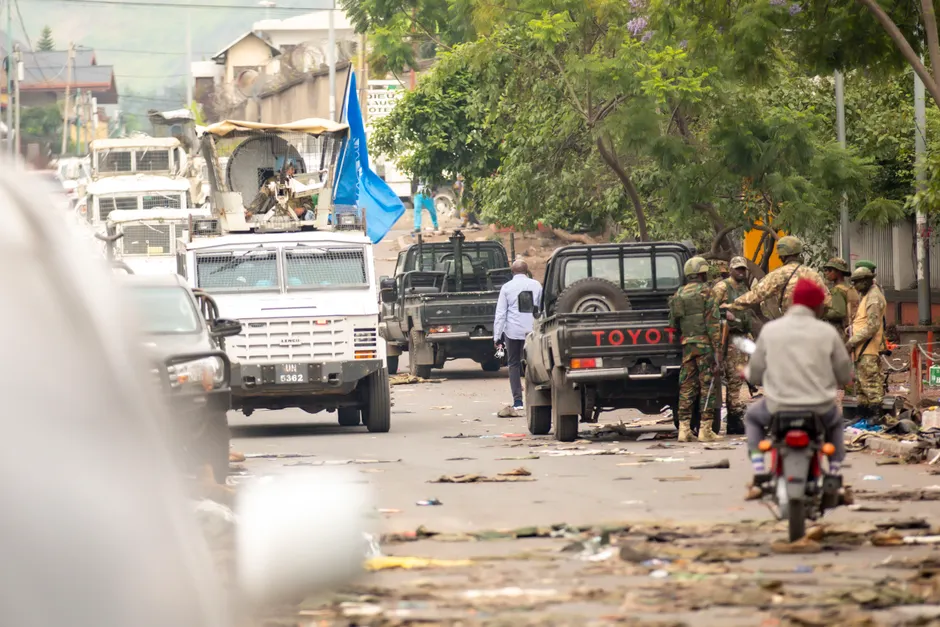
In April 2021, armed clashes erupted in Mogadishu, Somalia's capital, when President Mohamed Abdullahi Mohamed pushed through a law that extended his time in power by two years. His supporters in parliament had voted yes, but the move enraged opposition groups and soldiers. The result: gunfire and rocket explosions tore through the city streets.
The violence started because Mohamed's term as president was supposed to end. Elections were supposed to happen, but they kept getting delayed. Rather than hold elections as planned, Mohamed found allies in parliament who voted to let him stay in power longer. When he signed that extension into law, angry soldiers seized important positions around the capital, and protesters burned his photographs in the streets, according to Associated Press reporting.
Why This Mattered Beyond Mogadishu
The international community reacted sharply. The UN and foreign governments warned that extending a president's power without elections would destabilize the country. The UN's mission in Somalia called the violence alarming and urged calm, according to UN News.
Inside Somalia, the situation was chaotic. Police reported that armed groups were deliberately trying to destabilize the capital. Soldiers who were supposed to follow orders instead took control of key locations—government buildings, checkpoints, streets. This was a sign that the military itself was fractured, with different units loyal to different political sides, Reuters reported.
The Core Problem: When Elections Get Stuck
Somalia had agreed on how to run its next elections. Leaders from the federal government and regional states had approved a plan in September 2020 for how voting would work. But the elections kept getting postponed. By 2021, Mohamed's legal time in office was up, yet there was no clear plan for what happened next—no new elections scheduled, no transition plan. That gap created the opening for Mohamed to extend his mandate.
This delay frustrated opposition leaders who had been planning street protests over the slowdown, according to Reuters reporting. The violence that erupted in April derailed those demonstrations.
A Fractured Military
When Mohamed signed the extension, something broke inside the armed forces. Soldiers stationed throughout Mogadishu began seizing strategic positions—not following normal orders, but acting as political factions. This revealed a deeper problem: the military wasn't unified. Different units took sides based on their political beliefs, not loyalty to the chain of command.
International diplomats, including UN officials responsible for political affairs, began intensive talks during this period, signaling how seriously the world was watching, according to UN sources.
The Broader Pattern
The deeper context here: what happened in Somalia in 2021 fits a troubling trend across Africa. Leaders in several countries have tried to change their constitutions or postpone elections when their time in office was running out—a way to hold onto power. Somalia's crisis was particularly risky because the country's government institutions are already weak, and militants and armed groups remain active.
Somalia's history of civil war and state collapse also made this moment dangerous. Decades ago, Somalia's government fell apart because different factions claimed authority and military units split apart. The international community has spent years trying to rebuild these institutions. This 2021 crisis threatened to repeat those patterns.
What Happened Next
Despite the chaos and constitutional crisis, Somalia did eventually hold elections. In May 2022, parliament met behind blast walls—heavy protective barriers—to vote for a new president. Security was intense because the capital remained unstable, Reuters reported.
The 2022 elections did happen and produced Somalia's current government. But the two-year delay—from 2020 to 2022—damaged people's faith in democracy. Government documents from 2023 still referred to that troubled electoral period, according to Ministry of Livestock, Forestry and Range records.
What This Revealed About Somalia's System
The 2021 crisis exposed real cracks in how Somalia's democracy works. The lower house of parliament was able to extend the president's power all by itself, without approval from the Senate. That shouldn't have been possible in a well-designed system of checks and balances—but Somalia's constitution allowed it. When international partners helped rebuild Somalia's government after its collapse, they missed this gap.
The military's split loyalties during the crisis also worried international observers. When a political crisis causes soldiers to disobey orders and pick sides, it threatens basic security. Somalia's government relies heavily on its military to maintain stability and prevent militant groups from gaining ground.
The larger question worth considering: the precedent set in 2021—where a president tried to extend power and faced violent pushback—could shape how future election cycles play out. The fact that elections did eventually happen in 2022 is encouraging. But the underlying structural weaknesses that enabled the 2021 crisis are still there. The next time a Somali leader faces the end of their term, the same temptation and the same weak safeguards will be in place.
The international community—the UN, foreign governments, donor countries—all pushed back hard on Mohamed's power grab, combining diplomatic pressure with warnings about aid. That coordinated response helped move things toward elections. But the two-year period of uncertainty showed how difficult it remains for Somalia to anchor its democracy when institutions are fragile and security threats persist.