What's Happening in Somalia's Capital as Protests Turn Violent

What's Happening in Somalia's Capital as Protests Turn Violent
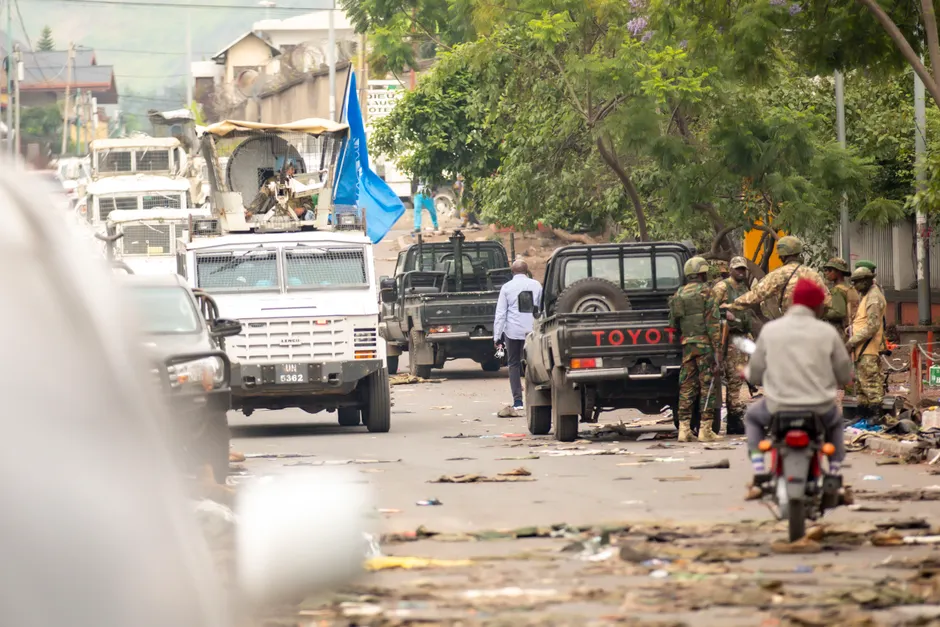
Gunfire broke out in Mogadishu, Somalia's capital, when security forces clashed with people protesting against President Hassan Sheikh Mohamud. The violence left casualties, according to those organizing the protests. This marks the latest serious moment in an ongoing political crisis tied to Somalia's election problems.
Security forces fired on hundreds of demonstrators gathered to oppose the current government. Protest leaders say people died in the fighting, though exact numbers aren't clear yet.
Why Elections Matter Here
The current unrest didn't appear out of nowhere. It grew from months of tension that started when Somalia's scheduled elections were repeatedly delayed. When that happened earlier, security forces also shot at protesters demanding that the elections happen on time. People were frustrated with the government for pushing elections back.
Hassan Sheikh Mohamud won the presidency recently and is returning to a job he held once before, from 2012 to 2017. In Somali politics, it's common for former leaders to come back to power. When he took office again, many hoped his past experience would help him handle big challenges facing the country—including a fight against a militant group called al-Shabaab and the broader task of rebuilding government institutions.
How the Government Responded
When protesters took to the streets, the government sent security forces to confront them. This is what has happened repeatedly in Somalia's recent history. When ordinary people challenge the government, the authorities have often used armed soldiers to shut down the protests, sometimes with deadly results.
Using live ammunition against unarmed protesters signals that the government saw the demonstrations as a serious threat to its hold on power. Somalia's central government is fragile. It doesn't have deep roots of legitimacy, and it relies on being strong enough to prevent challenges. This is a difficult position to be in, and governments in such positions often resort to force when they feel threatened.
The Bigger Political Picture
Somalia's government system is complicated. There are regional authorities, clan leaders, and a central government all competing for power and influence. The president's authority exists on paper, but in reality it depends on holding together shifting alliances based on money, loyalty, and security needs.
The protests we're seeing now fit into this broader context of a weak central government. Opposition groups regularly question whether elections are really fair, pointing to delays, problems with the process, and insufficient international observers. These complaints resonate strongly in Mogadishu, where people experience the costs of political instability directly through violence and economic hardship.
International organizations like the African Union Mission and the United Nations have significant roles in Somalia's politics. Yet their ability to help resolve internal disputes is limited by the complicated web of local interests and ongoing security threats.
A Pattern That Keeps Repeating
Somalia went through something similar in 2021. Back then, frustration over delayed elections led to street protests, and security forces met those protests with violence. This cycle—delayed elections, then public demonstrations, then a government crackdown—has become regular in Somalia. It's not just a one-time problem; it points to deeper failures in how the government actually works.
The broader context here is worth pausing on. The fact that this pattern keeps repeating suggests that Somalia's current government system cannot manage political disagreement in peaceful ways. Each time it happens, it erodes public trust in democracy and makes people more accepting of the government using force to maintain control.
What This Means for the Region
Somalia's political turmoil has ripple effects across East Africa. The country hosts international military forces and is central to regional security efforts against terror groups. When Mogadishu is in crisis, it complicates these broader regional strategies.
Kenya and Ethiopia, Somalia's neighbors, have invested heavily in supporting different Somali factions and maintaining their own security buffers. The current violence will likely prompt these countries to reconsider their approach.
What Comes Next
The immediate problem for President Mohamud is managing the current unrest while responding to the anger fueling the protests. This is a difficult balancing act: he needs to address security concerns, but he also needs people to believe in his government's legitimacy.
The international community faces its own difficult choice. Supporting the existing government might look like endorsing the use of force against civilians. But backing the opposition's demands could destabilize a country that is already fragile.
The way this crisis plays out will set the tone for how Somalia handles political disputes in the future. In my view, what matters most is whether the country's leadership can move beyond this repeating cycle. Without real changes to how government works and how power is shared, Somalia will likely continue experiencing periodic violence tied to elections and political transitions. That not only undermines democracy but also keeps the country unstable for everyone who lives there.