A Hedge Fund Lost Two-Thirds of Its Money in July. Two Weeks Later, It Bought a Big Chunk of a Japanese Tech Company.
Situational Awareness, a hedge fund run by Leopold Aschenbrenner, disclosed on August 12, 2026 that it owns 11.62% of Taiyo Yuden, a Japanese company that makes electronic parts. Taiyo Yuden's shares rose that same Wednesday. Investing.com
This follows a familiar pattern for Aschenbrenner's fund. In late May, Situational Awareness disclosed a position of over 12 million shares in Nebius, an AI infrastructure company, after which Nebius stock climbed. CNBC The Taiyo Yuden announcement repeats that sequence: the fund reveals a large ownership stake, and the target company's share price jumps right away.
The new position arrives against a much tougher backdrop for the fund. Situational Awareness' portfolio value fell 67% in July 2026 after steep losses on AI stocks, according to a letter the fund sent to investors. Reuters That decline was disclosed barely two weeks before the Taiyo Yuden stake.
Situational Awareness was also the anchor investor in a broader corporate deal earlier this summer. On June 17, 2026, SharonAI Holdings Inc. announced an oversubscribed US$1.6 billion strategic transaction anchored by Situational Awareness L.P. and funds. SEC filing That deal connected Aschenbrenner's fund to the AI infrastructure business at the holding-company level, even as the fund's stock portfolio was about to take the July hit.
The sequence across these three events deserves attention. In May, a large Nebius stake and a rising share price. In June, a US$1.6 billion anchoring role in SharonAI's deal. In July, a 67% portfolio collapse driven by AI stocks. And now in August, a fresh 11.62% stake in Taiyo Yuden, a Japanese manufacturer whose parts go into AI hardware. The fund is not retreating from AI after July's losses. It is shifting where it places its bets within the AI world.
Think of it like a sports team that gets crushed one season and then, instead of quitting, trades for players in a different position. The fund is still playing the same game — AI — but it is changing where on the field it stands.
Here is why these disclosures move prices. When a large investor reveals that it owns more than a certain percentage of a company, that news tells the market someone with money and conviction has placed a big bet. Other investors often react by buying too, pushing the share price up. The Nebius precedent, where shares also rose on disclosure, shows that Situational Awareness' filings carry short-term weight regardless of whether the fund actually pushes for changes at the company.
The harder question is whether that price boost lasts. The fund's July letter documented a 67% portfolio decline in a single month, which means the cost and risk management behind these positions are hidden from outside observers. A disclosed stake tells you the direction the fund thinks the stock will go. It does not tell you how big the position is relative to the fund's total money, whether the fund is using hedging strategies to protect itself, or whether it has already sold some shares since crossing the disclosure threshold. Investors reading these filings as pure good-news signals are getting the thesis without seeing the risk behind it.
The July decline also raises a question about concentration. A fund that lost two-thirds of its portfolio value in one month on AI stocks, and is now taking large stakes in AI-related companies again, is either doubling down on a belief that the July sell-off was wrong, or it is operating with a risk tolerance that outside capital should scrutinize. The fund's role in the SharonAI transaction suggests institutional capital is still willing to commit alongside Aschenbrenner, but the gap between the June deal and the July letter is narrow enough to warrant attention from anyone tracking the fund's trajectory.
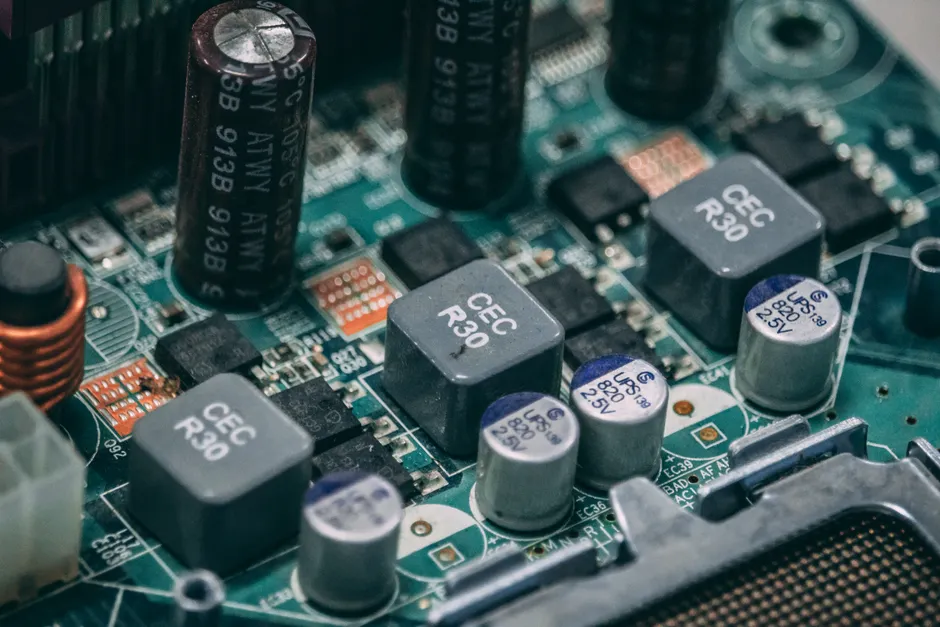
Taiyo Yuden itself is a meaningful target for an AI-related bet. The company is a major supplier of multilayer ceramic capacitors and inductors — small but essential components that go into servers, graphics processing units, and power management circuits for data center buildouts. An 11.62% stake in a components supplier is a bet on the physical hardware layer of AI rather than the software or platform layer where the fund's July losses presumably originated. Whether that shift was deliberate risk management or simply the next big idea is not disclosed in the filing.
What is clear from the sequence is that Aschenbrenner's fund remains active, publicly visible, and willing to take large positions even right after a severe decline. The market's positive reaction to the Taiyo Yuden disclosure, like the Nebius reaction before it, indicates that the Situational Awareness name still carries short-term price-moving weight. How long that weight persists, given the July performance record now in the public domain, is the question any counterparty or co-investor should be weighing.