Why SK Hynix Stock Keeps Wildly Swinging Up and Down

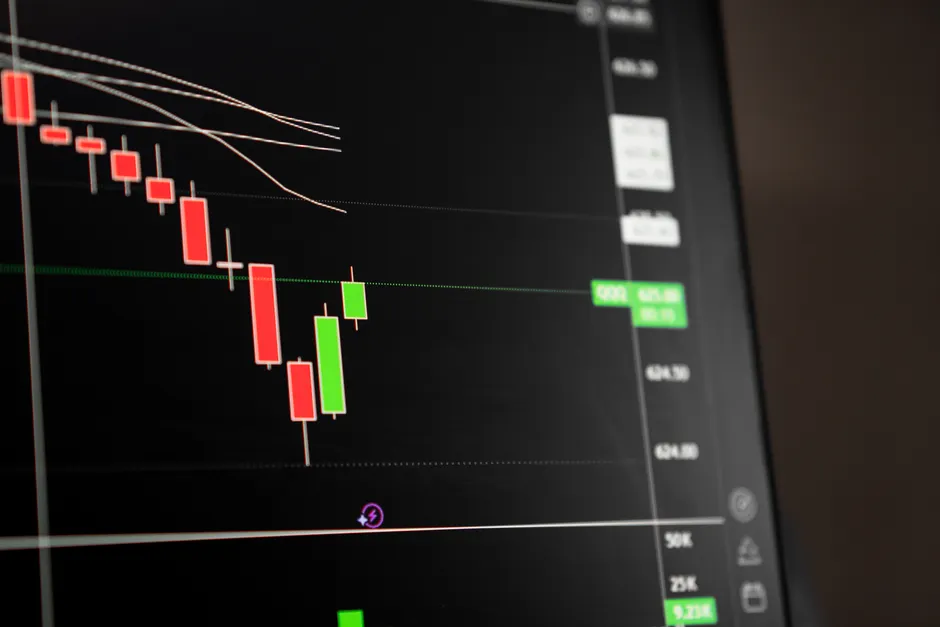
SK Hynix's stock price has been swinging sharply up and down, with MarketWatch describing the mood shifting from "AI euphoria" to "AI fatigue." One recent day saw the stock jump 9%, a sign of how unstable trading has become for a company many see as a stand-in for the AI chip boom. A related investment product (ticker 07709.HK) that doubles SK Hynix's price moves was priced at 56.480 during the period MarketWatch analyzed. MarketWatch
The volatility follows a chain of events. SK Hynix shares jumped in their US market debut on July 10, 2026, with AOL calling the firm's Q1 2026 financial results "the financial reality behind the stock." That debut came after the stock had already risen nearly 800%. AOL Fortune
A pricing gap has opened between the US and Korean versions of the stock. SK Hynix's US-traded shares were priced about 35% higher than the same shares traded in South Korea as of July 15, 2026. This gap exists because it is easier for US investors to buy the US version, not because the company itself has changed. Yahoo Finance UK AOL
The swings have not been limited to the US listing. Heavy selling in chip stocks drove South Korea's main stock market index, the KOSPI, below 8,000 on July 1, 2026. That triggered a five-minute pause in automated trading. Under Korea Exchange rules, the entire market halts for 20 minutes if the KOSPI falls by 8% or more. Yahoo Finance Korea Exchange
That 35% price gap between the US and Korean shares is something investors should watch. Think of it like buying the same brand of cereal at two different stores, with one charging a third more. The gap exists because demand in the US is higher than the available supply of shares, pushing the US price above what the company's earnings would suggest. A product like 07709.HK doubles the stock's price moves, so a 9% gain in the stock becomes an 18% gain in that product, and the same works in reverse for losses.
The bigger picture here is a shift from excitement about AI to growing doubts. MarketWatch's description of this change suggests investors are reconsidering how much risk they are willing to take in the chip sector. The 800% rise in SK Hynix's stock before the US listing set a very high bar. When Q1 2026 results came out, AOL called them "the financial reality behind the stock," meaning the market was finally checking whether the high price matched what the company actually earns. The volatility since then suggests the market is struggling to agree on what SK Hynix is really worth.
The Korea Exchange's brief trading pause is a sign of stress. These pauses, called circuit breakers, are designed to calm markets down, but they also tell you that selling pressure got so intense that the exchange operator worried automated trading could make things worse. Chip stocks were the main driver of the KOSPI's decline, connecting SK Hynix's own price swings to a broader problem across the sector.
SK Hynix has become a measuring stick for the AI investment trend. Between the new US listing, the 35% price gap, the doubling products, and the market pauses, the situation is complex. The market is getting mixed signals, and until investors agree on a fair price, the swings are likely to continue. MarketWatch's view that there is no sign of the volatility fading is a reminder to be cautious.
The relationship between the Korean and US listings adds more uncertainty. The 35% premium means US investors are paying far more than Korean investors for the same company. This could be because of different rules, limited supply, or simply too much demand. Whatever the cause, that gap can close suddenly. If US demand drops, or if traders find a way to buy cheaply in Korea and sell at a premium in the US, the US price could fall sharply. That is a risk for anyone holding SK Hynix shares, no matter which version they own.
The Q1 2026 results gave investors something real to anchor to, but the market's reaction suggests the numbers did not settle the debate. The shift from excitement to fatigue does not necessarily mean the AI boom is over. It does mean investors are getting pickier. Companies will need to show not just growth but actual profits and a believable plan to keep earning money. For SK Hynix, the real question now is what the company's earnings are actually worth, and the volatility is the market's way of figuring that out.