What's Happening With the Extreme Heat in the UK Right Now?
The UK government held an emergency meeting on 12 August 2026 to deal with extreme heat. It was the second meeting of its kind that year. Prime Minister Andy Burnham led the meeting as the country faced its fifth heatwave of the summer, with temperatures expected to hit 38°C. The Guardian
The Met Office, which is the UK's weather service, issued an amber extreme heat warning for large parts of England. The warning lasted from 9am on 12 August through midnight the next day. It covered London, St Albans, Cambridge, Oxford, Milton Keynes, Peterborough, Leicester, Birmingham, Nottingham, Lincoln, and Sheffield. Temperatures were expected to reach 33°C on 12 August and climb to as high as 38°C the following day. The Guardian The BBC reported that more UK weather records were broken during the August heatwave as temperatures were set to spike again. BBC
Summer 2026 is on track to be the UK's hottest summer since records began, according to the Met Office. The country had its second-warmest June and July on record, with temperatures hitting 38°C in June and 35°C in July. Halfway through the season, the UK's average temperature was 1.8°C higher than normal. At the same point in 2025, it was 1.1°C above average. A Met Office report from 21 July had already suggested more heat could come later in August, though it said that depended on how weather patterns developed. Met Office Met Office
During an earlier heatwave in June, the Met Office had extended extreme heat warnings from Monday through Thursday, with temperatures widely above 35°C and reaching 38°C. Met Office
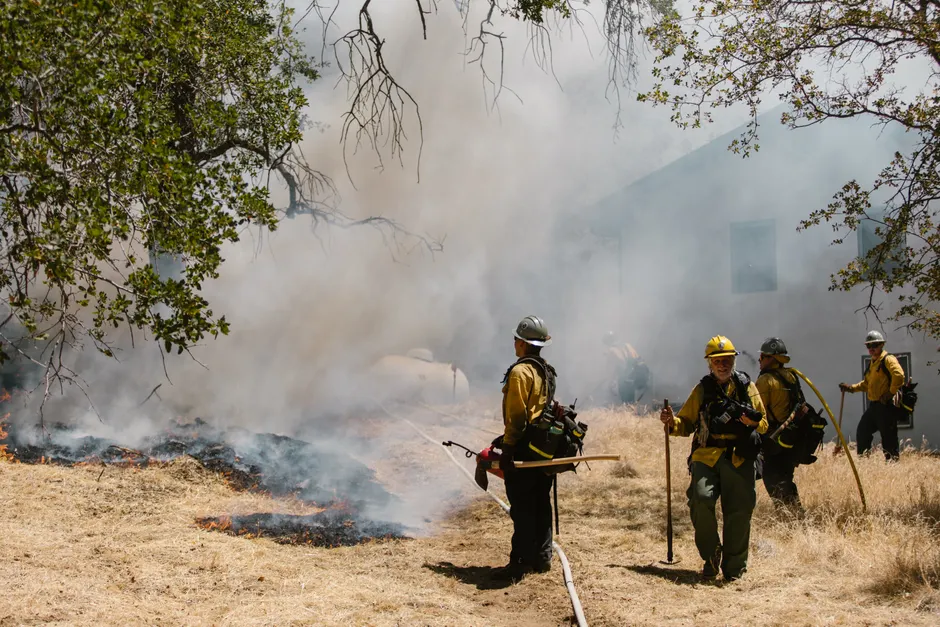
Wildfires have become a serious problem. The National Fire Chiefs Council said firefighters dealt with 966 wildfires across England and Wales in 2026. Of those, 185 happened in the first ten days of August alone. A fire at Dunwich Heath in Suffolk burned through over 371 acres (150 hectares) of land and needed more than 600 firefighters to bring it under control. The Guardian
Steve Wright, who leads the Fire Brigades Union, said the country faced "a national emergency" with wildfires burning across the UK. The Guardian
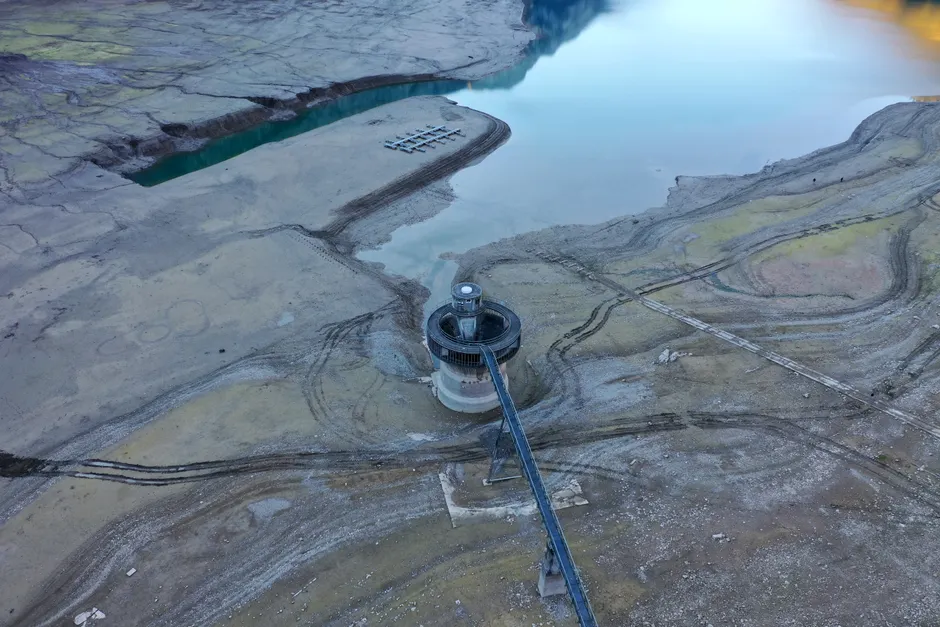
Drought is making things worse. By August 2026, nearly three-quarters of England and all of Wales were in drought. Southern Water, a water company, asked for a drought order that would stop businesses in Hampshire and the Isle of Wight from using water for non-essential activities. If the environment secretary Angela Eagle approves it, it would be the first ban of this kind since May 2006. The Guardian
The broader context here is that the UK's emergency systems were set up for events like terrorist attacks, major accidents, or public health crises — not for heat. Cobra (which stands for Cabinet Office Briefing Room A) is the government's way of coordinating a response to a crisis. The fact that it was used twice in one year for heatwaves shows that officials now treat extreme heat as a serious emergency, similar to those other threats. The drought order, if approved, would make official what water experts have seen all summer: a widespread water shortage affecting many areas, not just a local problem.
Looking ahead, the situation is unlikely to improve soon. The Met Office has confirmed that 2026 is tracking as the warmest summer on record, and five heatwaves have already hit before mid-August. The conditions feeding the crisis — dry land, low reservoirs, and stretched fire services — will carry into autumn even if temperatures drop temporarily. The pending decision on the Southern Water drought order will be a key test of whether the government is willing to limit commercial water use in a way it has not done in twenty years.