Wildfires Destroyed Homes in Stourbridge — Here's What Happened and Why It Matters
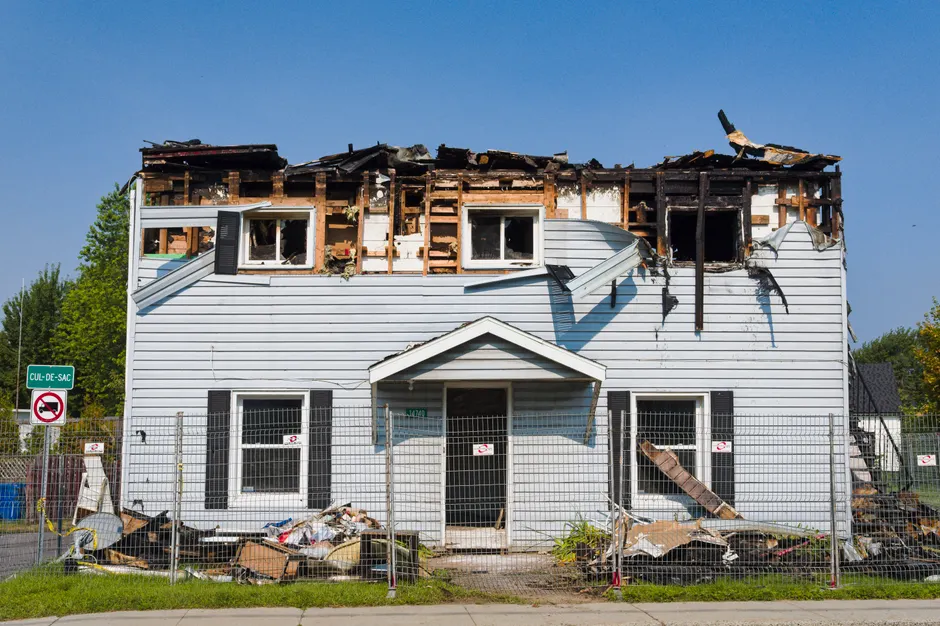
Wildfires in Stourbridge, West Midlands, destroyed 19 homes and damaged 18 more on 14 August 2026, as UK temperatures reached a record 38.1°C during the country's fifth heatwave in a row (The Guardian, 2026-08-14). Reuters reported that wildfires across Britain hit record levels in 2026, with the Stourbridge blaze being the most destructive wildfire in the country that summer (Reuters, 2026-08-14).
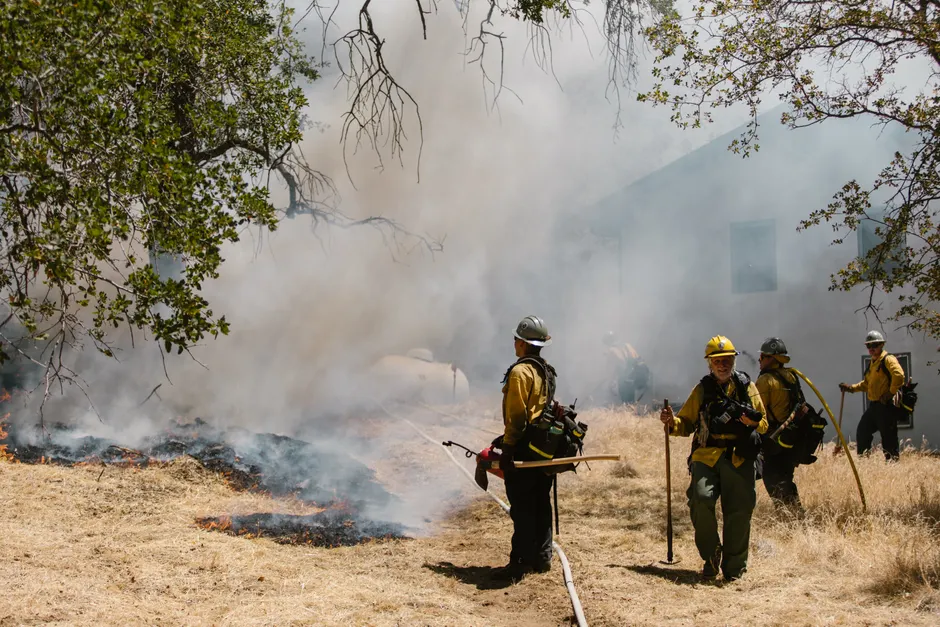
The fire started on 13 August at about 4:16pm. It affected several areas around Ounty John Lane, Racecourse Lane, and Stourbridge Road in the town within the Dudley borough (West Midlands Fire Service, 2026-08-13). According to the BBC's reporting of the fire service's account, the fire burned about 500 acres (BBC, 2026-08-14).
West Midlands Ambulance Service treated 54 people across eight separate fires on 14 August, and 19 of them needed to be admitted to hospital (The Guardian, 2026-08-14). These numbers cover all the fires across the region that day, not just Stourbridge.
People had to leave their homes quickly. Old Swinford Hospital, a boarding school in Stourbridge, was turned into a temporary shelter on the evening of 14 August. More than 20 residents were moved out of a care home near the fire, and people living on Osmaston Road were ordered to leave their properties (The Guardian, 2026-08-14).
West Midlands Fire Service's Chief Fire Officer said on 13 August that some fires were started on purpose. Firefighters were taken to hospital after a "deliberate" grass fire moved toward homes. The service's message was blunt: "this must stop now" (West Midlands Fire Service, 2026-08-13). The Chief Fire Officer gave a further update on 14 August (West Midlands Fire Service).
On 15 August, Andy Burnham visited Stourbridge. He said the UK was like a "tinderbox" — meaning everything was so dry that the tiniest spark could set off a big fire. He announced plans to bring in firefighting planes to fight future wildfires (The Guardian, 2026-08-14).
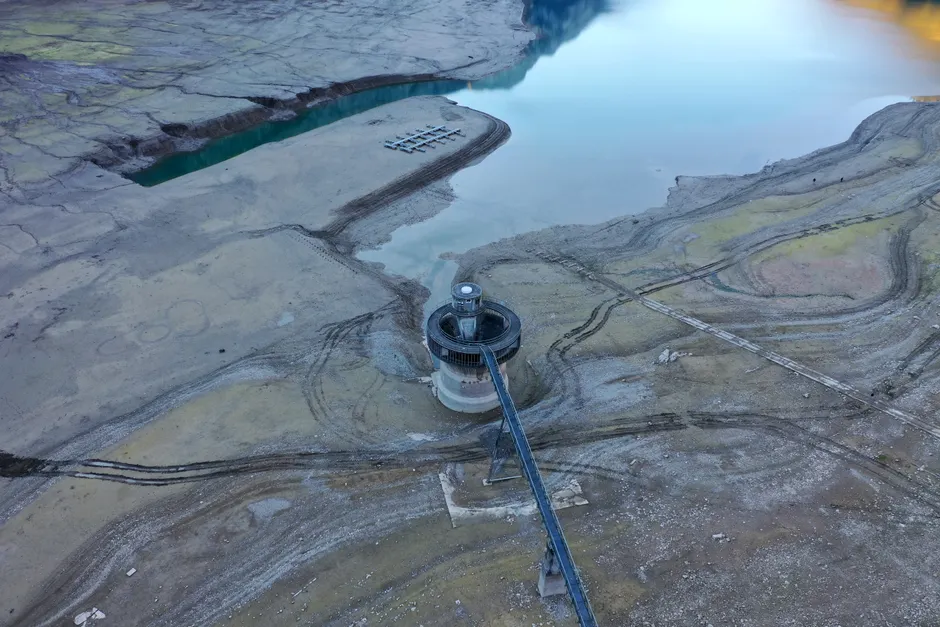
The broader context here is why these fires were so bad. Five heatwaves in a row had been baking the country, drying out grass, bushes, and other plants. One very hot day is dangerous on its own, but five heatwaves back-to-back pulled the moisture out of the ground layer by layer — like leaving a pile of dry leaves in the sun for weeks until a single match could set the whole thing ablaze. That is what turned ordinary grass fires into fast-moving fires that reached people's homes.
The fact that some fires were set on purpose makes things more serious. Setting a grass fire on purpose during dangerous fire conditions could be prosecuted under UK arson laws. The Chief Fire Officer's strong language suggests the fire service sees this not as minor vandalism but as something that put lives at risk.
Britain has always fought fires from the ground, using firefighters, hoses, and vehicles. Buying firefighting planes would be a big change. Countries in southern Europe, like Greece and Spain, have used these planes for years because wildfires are a regular threat there.
What we don't yet know is whether these planes will be bought for the whole country or just one region. We also don't know how long it will take. Firefighting planes need specially trained pilots and maintenance crews, and getting all of that in place can take years. For the rest of the 2026 fire season, ground-based firefighting remains the UK's main tool.