Fast-Moving Storms Hit the Midwest: Three Dead, Hundreds of Thousands Without Power
A huge, fast-moving storm with winds up to 99 mph hit the Midwest on Tuesday, August 11, 2026. Three people died and more than 800,000 homes and businesses lost electricity across Indiana, Ohio, Illinois, and Kentucky.
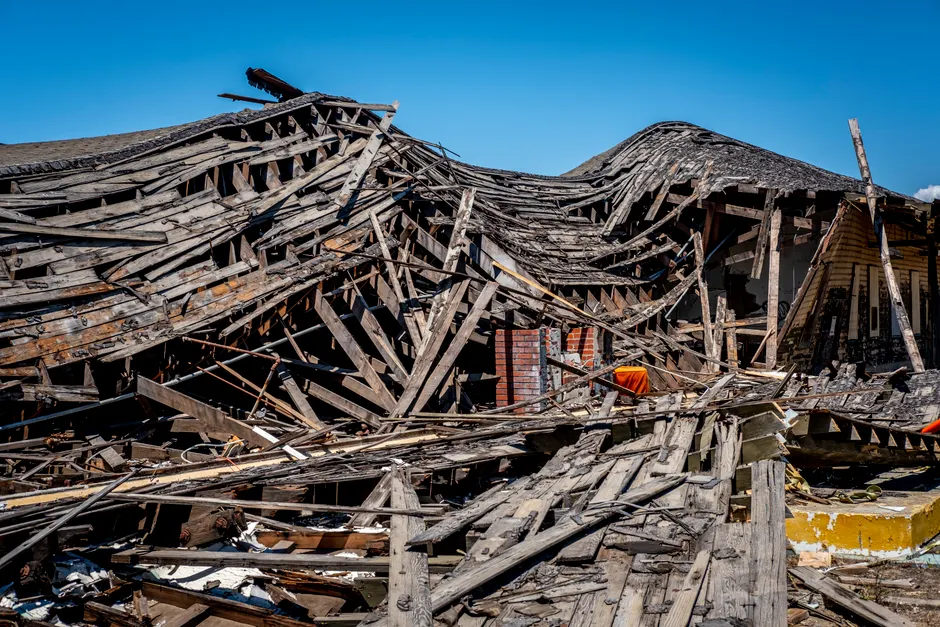
The National Weather Service said the winds were consistent with a derecho. A derecho is a very large windstorm caused by a line of thunderstorms that moves quickly across a wide area. It can cause damage like an inland hurricane. The agency also confirmed two tornadoes near Chicago. Winds topped 80 mph across the region, knocking down trees, damaging power lines, and causing flash floods that led to evacuations and emergency declarations in two states.
Three People Killed
A four-year-old child in Geneva Township, Indiana died when a tree fell on his home. In Portage, Indiana, about 30 miles from Chicago, a person was killed in what officials suspect was a weather-related house explosion. Ohio Governor Mike DeWine confirmed that one person died in Roseville, Ohio, because flooding stopped first responders from reaching them in time. In Grafton, Ohio, sixteen inmates at a prison were hospitalized after lightning struck as they were walking back from dinner.
Power Outages and Repair Efforts
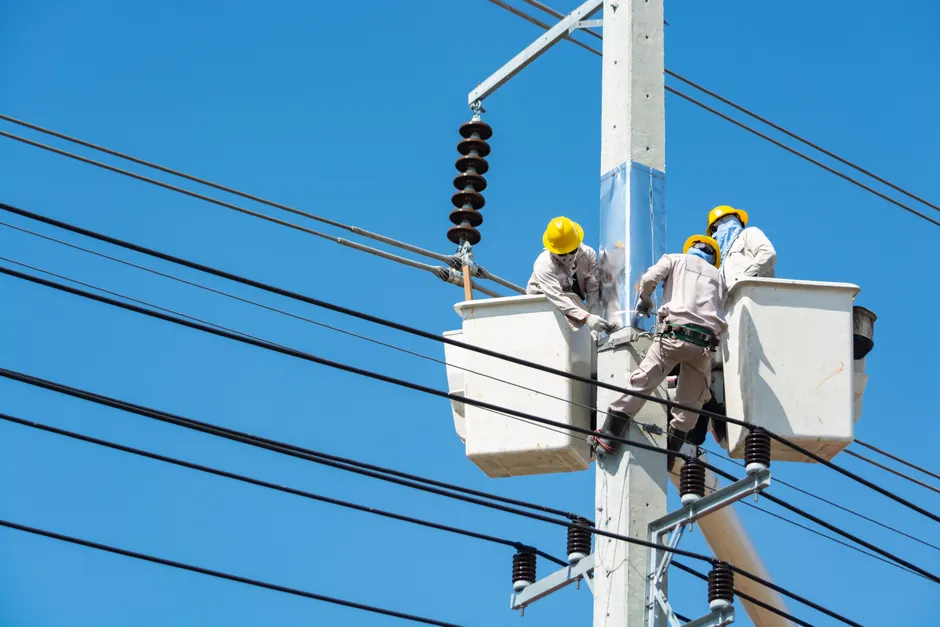
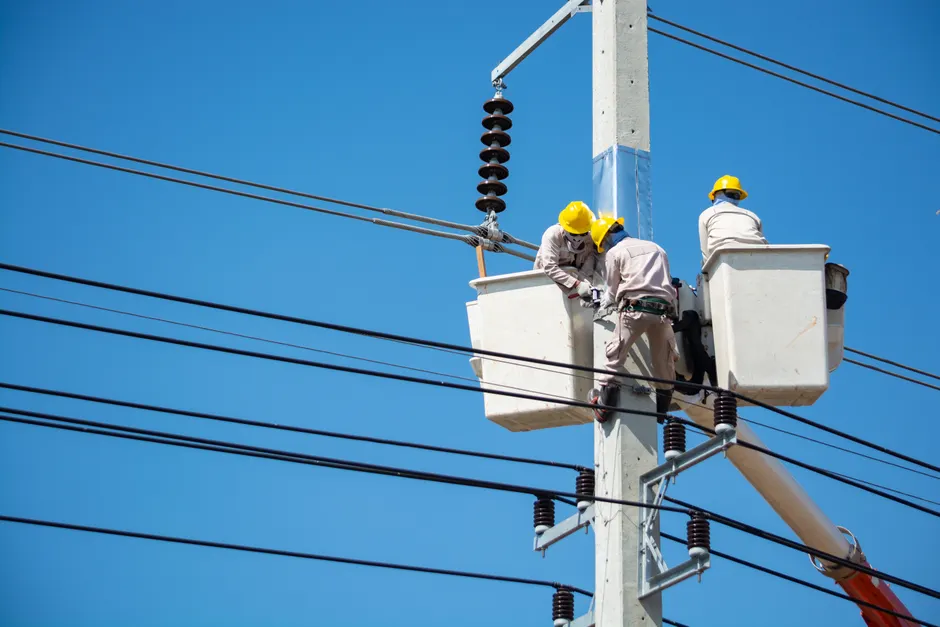
Utility company AEP said winds topped 80 mph in the Columbus, Ohio area, bringing trees down onto power lines. The company sent more than 2,000 workers to fix the damage. According to poweroutage.us, nearly 800,000 customers across Illinois, Indiana, Ohio, and Kentucky were still without power on Wednesday morning, August 12. Reuters reported the same number at midnight on August 11–12. CNN reported that outages in Illinois, Indiana, and Ohio alone topped 900,000 at the worst point of the storm.
Flooding Hits Ohio the Hardest
Ohio saw the worst flooding. Governor DeWine declared a state of emergency in Perry and Muskingum counties, where floodwaters were so bad that special rescue teams had to evacuate residents by boat. CNN reported a flash flood emergency in Perry County with active water rescues on the morning of August 11. In southeastern Ohio, the combination of extreme wind and heavy rain caused floodwaters to rise faster than emergency teams could respond, which contributed to at least one of the three deaths.
Indiana Governor Mike Braun declared an emergency disaster for 63 counties, citing flooding, severe weather, and tornadoes. That covers about two-thirds of Indiana's 92 counties, showing how wide the storm's impact was. The state's Department of Homeland Security told residents of Jasper, Starke, and Newton counties to report storm damage by calling Indiana 211 at 866-211-9966.
Why This Storm Was Unusual
The 99 mph wind reading in Gary, Indiana puts this among the stronger derechos recorded in the area. The fact that tornadoes were happening at the same time near Chicago made things more complicated for crews trying to assess damage and restore power, since they had to deal with both widespread wind damage and smaller areas of tornado destruction.
The broader context here is how hard it is to respond when a storm hits several states at once. Power companies normally borrow crews from neighboring utilities during big outages. But when four states are damaged at the same time, those extra crews are already busy in their own areas, which stretches out how long it takes to get everyone's power back. The 2,000 workers AEP sent to Columbus alone shows how stretched resources can get, especially when roads are still blocked by floodwater and debris. For emergency managers, having wind damage, flooding, and lightning injuries all happening within about 12 hours puts local, state, and federal response systems to a test that smaller, more localized storms do not.