Big Storms Knock Out Power to Half a Million Midwest Homes
Severe storms cut power to about 540,000 homes and businesses across the US Midwest on Thursday, August 13, with Indiana hit the hardest, according to PowerOutage.us data (The Guardian).
Indiana recorded more than 267,000 outages, roughly 8% of its approximately 3.3 million customers. The hardest-hit power company was Northern Indiana Public Service Company (Nipsco), which lost service to about 258,885 homes and businesses. That is over half of its roughly 468,000 customers in the state. Nipsco warned that getting power back could take days in some areas because of downed poles, power lines, and trees.
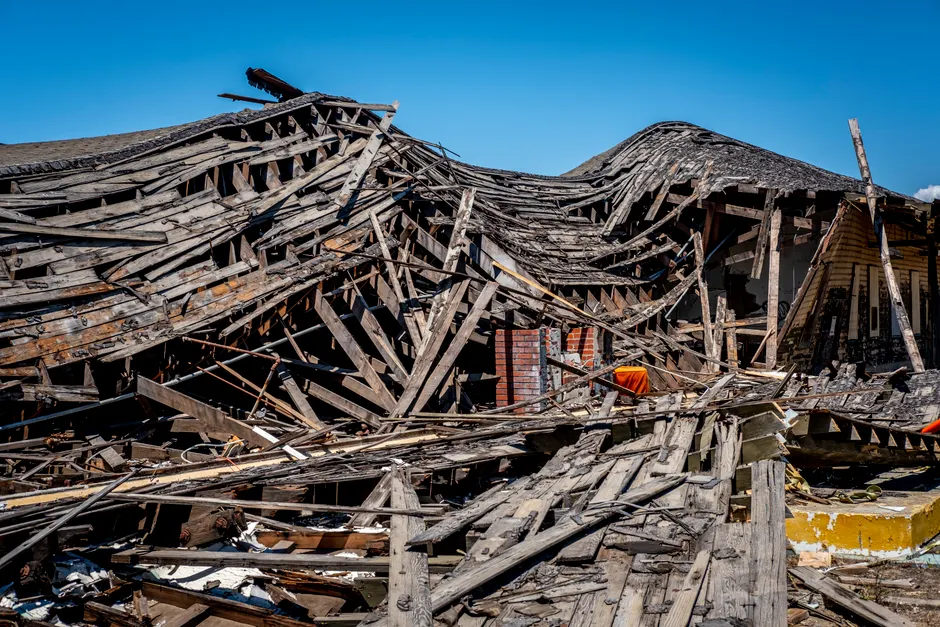
The storms came in waves. On August 11, a derecho hit the region. A derecho is a very large, fast-moving windstorm that can cause damage similar to a tornado but over a much wider area. Wind gusts reached up to 100 mph in far northwestern Indiana. La Porte, Starke, Marshall, and St Joseph counties sustained the most damage in the National Weather Service's northern Indiana forecast area, where gusts reached 75 mph (NWS Northern Indiana). Around August 12, more rounds of severe thunderstorms downed trees and power lines across Indiana and caused catastrophic flooding in parts of the central part of the state, with over 11 inches of rain recorded in some areas (NWS Indianapolis).
At least three deaths have been linked to the storms. A four-year-old boy was killed when a tree fell on a home in Geneva, Indiana during Tuesday's storms, according to the Jennings County sheriff's office. Ohio governor Mike DeWine reported that a resident of Roseville, Ohio died during a health emergency when first responders could not reach them because roads were flooded. In Portage, Indiana, officials were investigating whether severe weather played a role in a house explosion that killed a person (The Guardian).
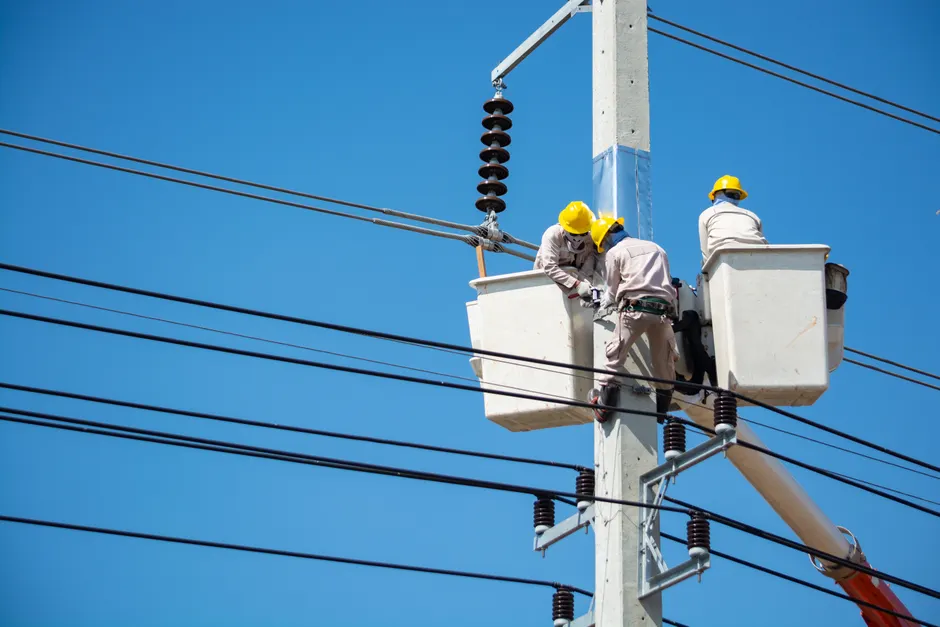
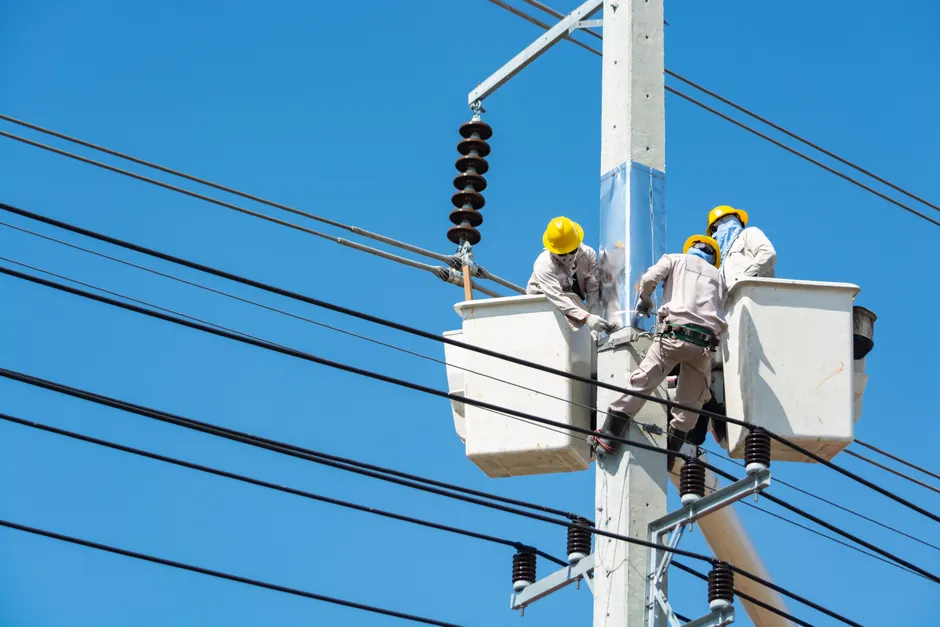
In Ohio, about 46,200 homes and businesses were without power, roughly 6% of Duke Energy's approximately 768,281 customers in the state. Duke Energy deployed 1,000 workers to restore power to more than 171,000 customers across greater Cincinnati. Governor DeWine sent 40 Ohio Army National Guard members to assist in two counties east of Columbus.
Lake County, Indiana had the most outages of any of the state's 92 counties, with 169,752 customers without power. PowerOutage.us, which tracks power outages across 96% of the US, 95% of Canada, and 89% of the UK, recorded over 440,000 customers out at the same time at the worst point. In total, 1.2 million were affected across Illinois, Iowa, and Indiana during the August 2026 storms (PowerOutage.us).
Earlier reporting from August 11 confirmed that the initial round of storms produced tornadoes and caused widespread outages, with at least two storm-related deaths at that point (CBS News). By August 12, hundreds of thousands remained without power as flooding got worse (Fox Weather).
The NWS forecast for Indianapolis on August 12 had warned that damaging winds with gusts of 60-70 mph would be the main threat (NWS Indianapolis).
The broader context here is that this was not a single storm but a chain of them, each making things worse. The derecho that started the damage on August 11 was followed by more storms that kept hitting the same areas, dropping over a foot of rain in parts of Indiana. For power companies like Nipsco, where more than half of all customers lost service, fixing the grid means more than just reconnecting wires. Downed poles and debris in flooded areas make it hard for repair crews to even reach the damage, which stretches out the recovery time far beyond what a normal thunderstorm would cause.
The geographic concentration matters too. Lake County alone accounted for nearly 170,000 outages, reflecting both the dense population in northwestern Indiana and the path the derecho took through the edge of the Chicago metro area. For emergency managers, the death in Roseville, Ohio shows a danger that flooding creates that wind alone usually does not: when roads become impassable, emergency responders cannot reach people in need. The decision to send National Guard members in Ohio tells us that local resources were not enough for the scale of the damage, something worth watching as recovery continues into the coming week.