Why Almost No Ships Are Passing Through the Strait of Hormuz Right Now
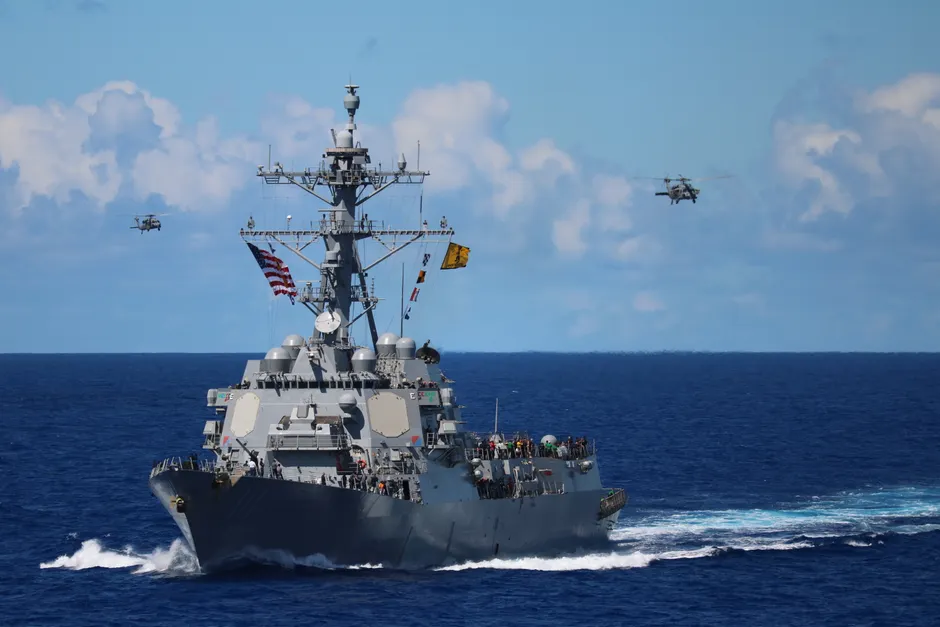
Only eight ships passed through the Strait of Hormuz on August 12, 2026. Before the war, 130 to 140 ships used this route every day. The new number is a record low since the fighting began, according to Reuters data cited by Al Jazeera.
The Strait of Hormuz is a narrow strip of water between Iran and Oman. It matters because about one-fifth of all the oil in the world usually travels through it. When the strait is blocked or dangerous, it affects oil supplies everywhere.
US President Donald Trump wrote on Truth Social that the United States has 'total control' over the strait. He called the US blockade of Iranian ports 'A WALL OF STEEL' and said Iran 'can do nothing about it.' He also said the US would charge other ships for safe passage through the strait, a waterway through which roughly a fifth of global oil historically flows Al Jazeera.
Iran says it will not reopen the strait until the US meets several demands. On August 10, Iran said the US must lift its naval blockade, lift sanctions (penalties that restrict a country's trade and finances), unfreeze Iranian assets, and pay compensation for war damage, including war reparations. Iran's leadership believes that sooner or later the United States will have to accept their control over the strait AP News.
The broader context here is a war that has been going on for six months, with several peace attempts having failed. The US and Israel launched the war with Iran on February 28. In April, the White House announced a ceasefire under what it called 'Operation Epic Fury,' but by mid-July a Memorandum of Understanding signed in June had dissolved, with both sides renewing attacks. Iran tightened its grip on the strait throughout April, warning mariners that the route was closed, and by late July declared it remained in control and was not seeking talks after Trump halted bombing.
Iran has also been talking separately with Oman about who controls the strait in the future. Those talks do not include the US and have largely paused wider US-Iran peace negotiations. A proposed Hormuz deal reported on August 5 would give Iran control of inbound traffic through the strait, which sources described as a major concession to Tehran.
There is also a second area of danger for ships. On August 11, a US Navy military helicopter struck a Panama-flagged cargo vessel in the strait. The same day, Yemen-based Houthis opened a new front in the war with attacks on vessels in the Bab al-Mandab Strait, killing six people in an attack on an Egyptian-owned ship, the first deaths from such an attack.
Shipping data tells a worrying story. Kpler, a company that tracks shipping, reported that Hormuz crossings fell 70 percent after the brief truce, with 90 percent of remaining traffic now using an unrecognised Iranian route. The firm estimated that recovery to normal traffic levels will not come until 2027. Windward had reported as early as March 8 that GPS and AIS interference in the region intensified sharply, affecting more than 1,650 vessels. (AIS is a tracking system ships use to show their location.) The WTO Strait of Hormuz Trade Tracker noted a cautious restart in late June following the MOU signing, but that brief window has since closed.
The standoff leaves commercial shipping caught between a US-enforced blockade and an Iranian government demanding full sanctions relief and reparations before restoring transit. With the Houthis now active in the Bab al-Mandab as well, vessels face simultaneous disruption at both ends of the Arabian Peninsula.
The parties appear locked into positions that leave little room for progress. Washington asserts total military control, Tehran conditions any reopening on comprehensive economic and political concessions, and the diplomatic track has fragmented into bilateral channels that exclude the principal belligerent.


