Why Trump Just Blocked Iran's Main Shipping Route Again—and What It Means for Gas Prices

On July 13, 2026, President Trump said the U.S. military would take control of the Strait of Hormuz, a narrow waterway between Iran and Oman where about one-fifth of the world's oil travels every day. The U.S. would charge a 20% fee on every shipment passing through, Trump said, calling it payment for American naval protection Reuters. The announcement came hours after the U.S. launched new military strikes on Iranian targets and air-raid sirens sounded in nearby Bahrain Reuters.
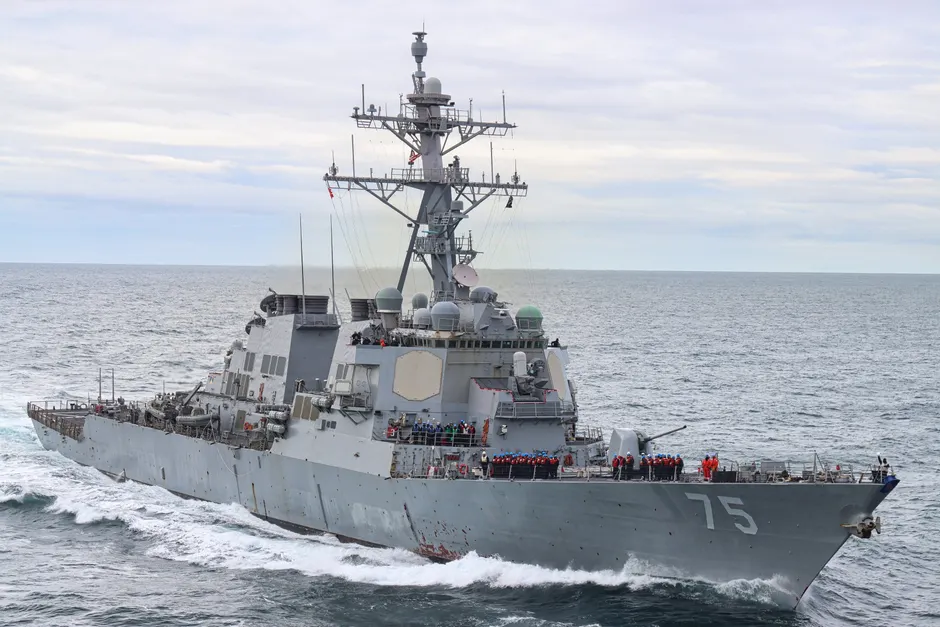
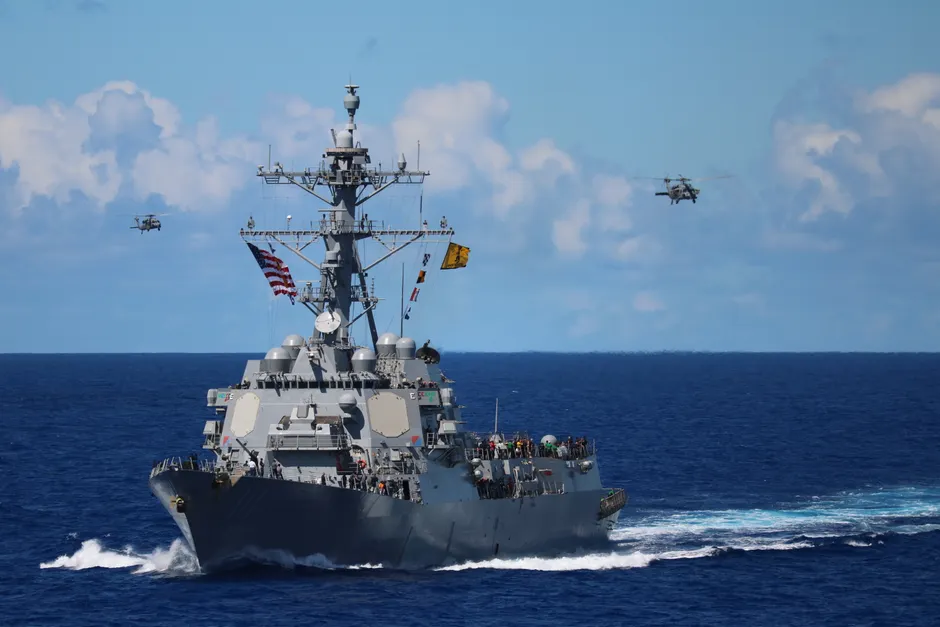
This is not the first time Trump has blocked the strait. In April 2026, after talks with Iran fell apart, he ordered U.S. warships to start stopping ships entering and leaving Iranian ports Reuters. The White House said it was a response to Iranian aggression and necessary to keep shipping safe White House.
Then things changed. By June 19, Trump announced he had reached a deal with Iran. The agreement, he said, would keep Iran from getting nuclear weapons and reopen the strait to normal shipping White House. But that deal apparently did not hold. On July 10, just three days before announcing the blockade again, Trump said the U.S. and Iran would keep talking. Yet shipping companies were already slowing down their oil tankers in fear of what might happen Reuters. Within two days, the talks stopped and the military strikes began.
This cycle of blocking the strait, making a deal, talking, then striking and blocking again in three months is confusing. Was the June deal real? Did it break down? The White House has not explained why it claimed the strait was open again in June but is now saying it needs to be blocked in July. These are not small details—they matter for understanding what comes next and whether either side is serious about negotiating.
Oil prices jumped immediately. They went up 3% on July 12 and as much as 9% after Trump's announcement Reuters. This makes sense: roughly one-fifth of the world's oil passes through the Strait of Hormuz every day. When there is a threat to that supply, traders buy oil quickly, driving prices up.
The 20% fee is unusual. Trump said the U.S. would "control" the strait and be paid for it. This sounds less like simply stopping Iranian ships and more like a toll booth run by the military—cargo would still move, but the U.S. would take a cut. How exactly that would work is not clear yet. Would the fee apply to all ships or just ones connected to Iran? How would a shipping company actually send money to the U.S. Treasury? The public reporting does not say.
Shipping companies and oil traders are not waiting for the details. They already started slowing deliveries in early July, before Trump made his announcement official. They are betting on disruption.
What happens now depends on whether Iran sees this blockade as a temporary threat to pressure it into a deal or as a sign the U.S. is giving up on talks. As of July 10, Iran was still asking to negotiate, even as fighting continued. If Iran stays open to talks, negotiations could restart. But each time this cycle repeats—blockade, agreement, talks, strikes, blockade again—trust erodes and the costs get higher.