Who Controls the Strait of Hormuz? Iran and the US Can't Agree

On August 13, 2026, a senior Iranian military commander named Hossein Taeb said Iran controls the Strait of Hormuz, a narrow waterway between Iran and Oman. His statement directly rejected US President Donald Trump's claim from the day before that the United States had "total control" of the same waterway. Iran's military command also said the same day that no ship can pass through the strait without Iran's permission (Al Jazeera).
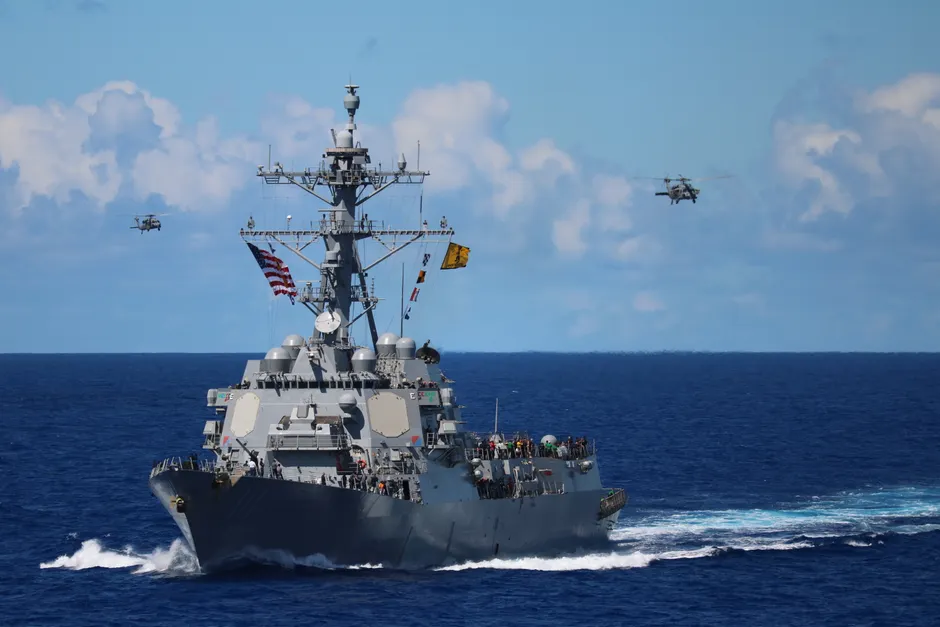
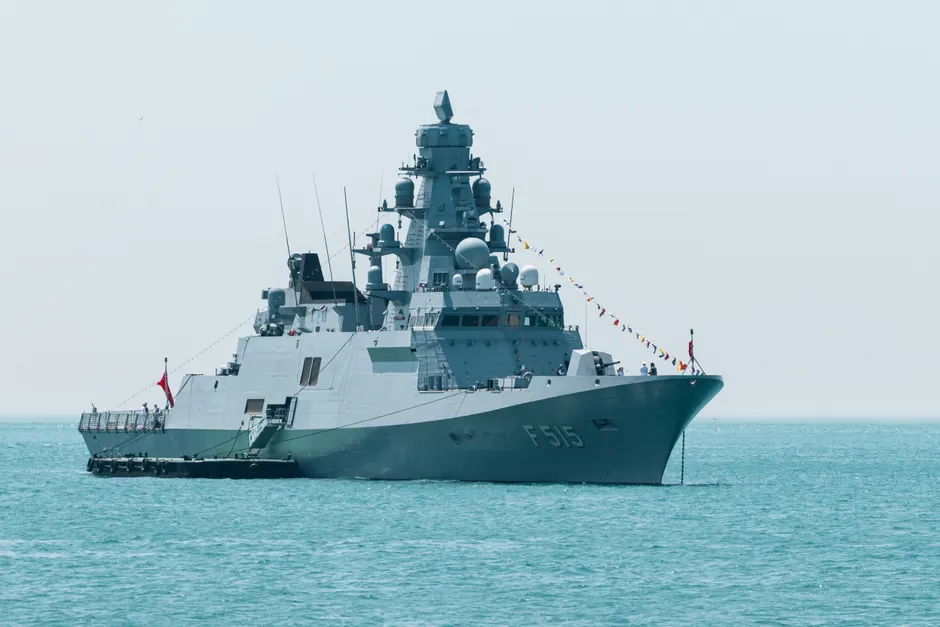
The Strait of Hormuz is a narrow channel that ships use to carry oil and gas out of the Gulf to the rest of the world. Before the current conflict, about a fifth of all the world's oil and gas passed through it. Since a war between the US, Israel, and Iran started on February 28, 2026, Iran has blocked the strait. The US has set up its own naval blockade, which is a military effort to stop ships, targeting Iranian shipping and ports. The US says it will protect ships traveling to and from non-Iranian ports (Al Jazeera).
Iran says it will not reopen the strait until the US meets its demands. A senior Iranian official, Rasoul Sanaei-Rad, said reopening the waterway was not something the US could do on its own and depends on the US keeping its promises under an interim deal, which is a temporary agreement aimed at ending the war. Iran's Foreign Minister Abbas Araghchi said the US "has long miscalculated due to intelligence failures" and called its actions in the strait an even bigger miscalculation (Al Jazeera).
Diplomacy has struggled since June 2026, when Iran and the US reached an interim agreement that extended a ceasefire from April 2026 and called for a quick return to free passage through the Gulf. On August 5, sources said a proposed deal would give Iran control of ships coming into the strait, which would be a major concession to Tehran (Reuters). By August 9, that deal had fallen apart. Trump demanded that Iran pay reparations, meaning compensation for war damages, after Iran itself asked for compensation. Trump insisted Iran must pay (Reuters).
Trump's August 12 claim of "total control" echoed his July 13 announcement that the US was restarting a naval blockade on Iran and would take a 20% cut of all cargo shipped through the strait (Reuters). That proposed toll drew condemnation from other countries. Brazilian President Luiz Inacio Lula da Silva called it "piracy" (IRNA).
The broader context here is a negotiation where both sides are using the strait's economic importance as a bargaining chip, while disagreeing on the basic question of who controls it. Iran treats the strait as something it can open or close to get the US to follow through on its commitments. The US treats free navigation as a right it can enforce with its military while charging tolls to those who benefit. An Iranian Vice President said in April that the security of the strait "is not free of charge" (IRNA), and Iran's embassy in London mocked the UK's stance on the strait around the same time, saying Iran has controlled it since the early days of the war (IRNA).
The reparations dispute from August 9 broke the August 5 deal before it could take hold. Both sides are now making strong public claims while the private talks seem to have produced more demands than agreements. The fact that each side wants the other to pay adds a financial argument to what had been mainly a security and shipping dispute.
Global energy prices have risen as the blockade continues, and no ships have resumed passage under either side's terms. Iran said the strait would stay closed until the US meets its demands and changes its "behaviour" (Al Jazeera). A Russian analyst, quoted by Iran's IRNA, rejected Trump's ultimatum and said Iran is entitled to control the strait (IRNA).
The standoff leaves the interim agreement's call for a "swift return to freedom of navigation" unfulfilled, with both sides publicly claiming control of the same waterway and privately stuck on who pays whom.