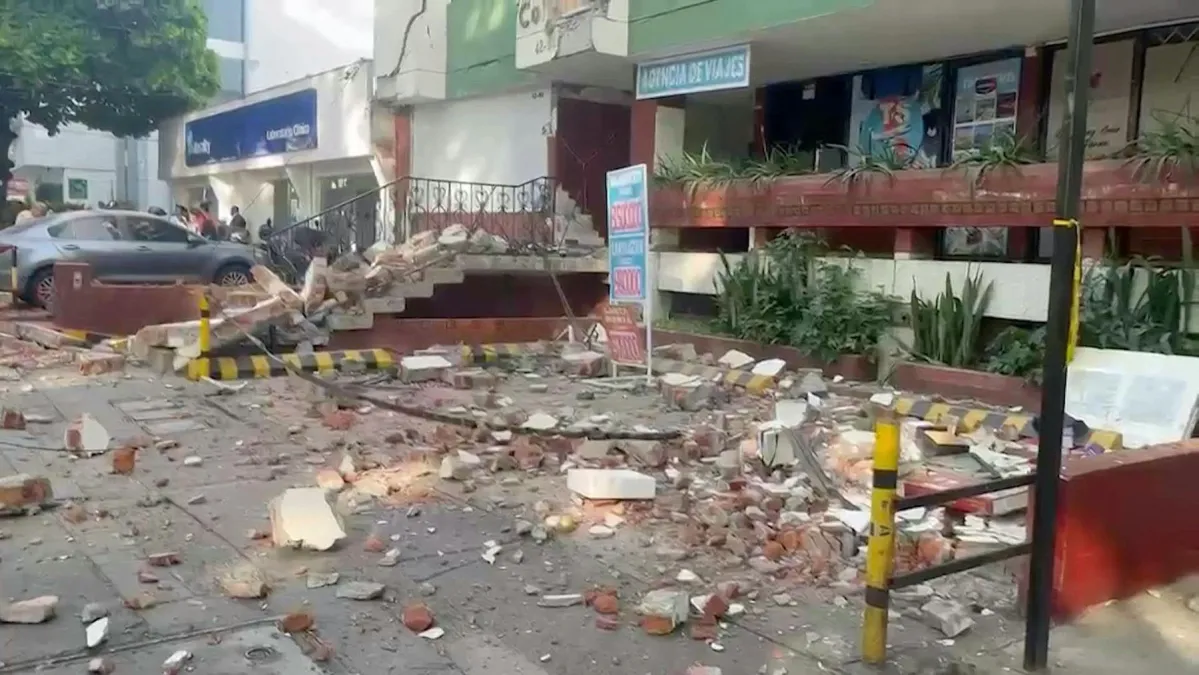
A Woman and a Baby Were Pulled Alive From Earthquake Rubble in Colombia
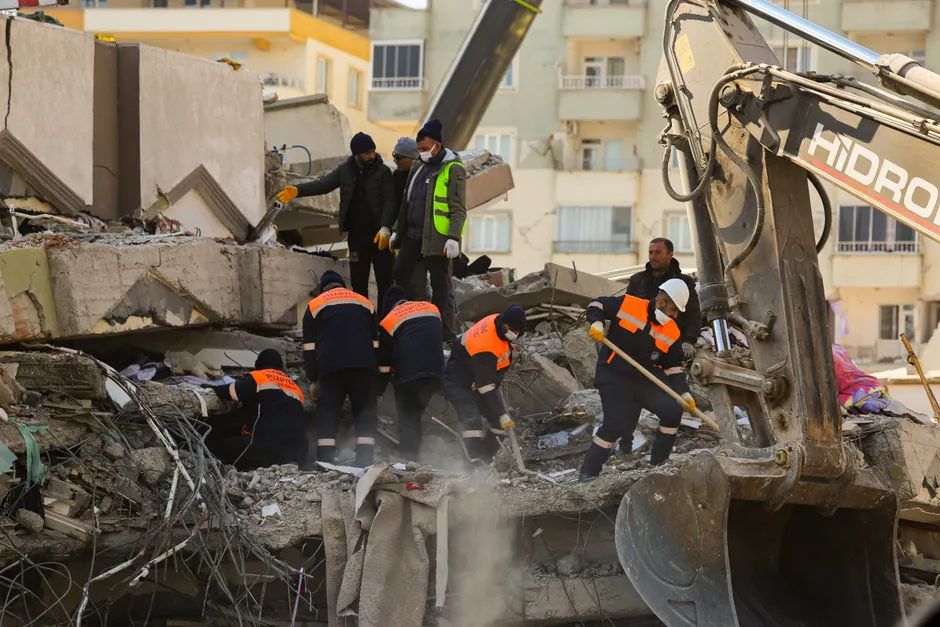
Colombian emergency crews pulled a woman named Diana alive from the rubble of a collapsed building in Cali on August 11, 2026. She had been trapped for about 36 hours after a major earthquake shook the region. The rescue was reported by Reuters and TRT Afrika.
The earthquake has killed at least 250 people, Reuters reported on August 10 Reuters. That number was expected to go higher. On the ground, the picture is grim: buildings collapsed across Cali, rescue teams are still searching, and more people are likely trapped under the debris.
Search and rescue teams entered their third day on August 12. That day, a baby was pulled alive from the rubble, CNN reported CNN. The baby had been trapped for more than 48 hours. In earthquake rescue work, the first 72 hours are the most important window for finding people alive. After that, the chances drop, but they do not disappear entirely.
Diana and the baby are the two confirmed survivors pulled from the debris in Cali so far. Both were in collapsed buildings. The exact strength of the earthquake has not been reported, but Reuters has called it a "major earthquake" Reuters.
The broader context here is Colombia's exposure to earthquakes. The country sits along the Pacific Ring of Fire, a belt around the Pacific Ocean where the earth's tectonic plates, the giant slabs of rock that make up the planet's outer shell, constantly push and grind against each other. That friction produces earthquakes. Cali sits in a valley between mountain ranges and is used to ground shaking. But an earthquake that kills 250 or more people is a major disaster by any standard. The collapsed buildings that trapped Diana and the baby point to a common problem: older buildings that were not built or strengthened to withstand earthquakes.
A few things stand out for those following the rescue effort. Diana survived 36 hours and the baby survived more than 48 hours, which means there were open spaces inside the collapsed buildings big enough to keep them alive. That depends on how a building falls. When concrete buildings collapse, their floors can stack on top of each other like a dropped stack of pancakes, sometimes leaving gaps where people can survive. The fact that Reuters said the death toll was "expected to rise" tells us that, as of August 10 and 11, crews were still in rescue mode, hoping to find people alive. The rescue of survivors on August 11 and 12 proved that approach was right. The spread of rescue teams across multiple collapsed buildings also means the earthquake damaged a wide area of the city, not just one spot.
With at least 250 confirmed dead and survivors still being found on the second and third days, this earthquake is one of the deadliest in Colombia's recent history. Whether the death toll stops here or keeps climbing will depend on how fast crews can clear the debris, how many buildings still need to be searched, and whether anyone else is found alive in the coming hours.