A Massive Earthquake Hit Colombia Just Days Into a New President's Term
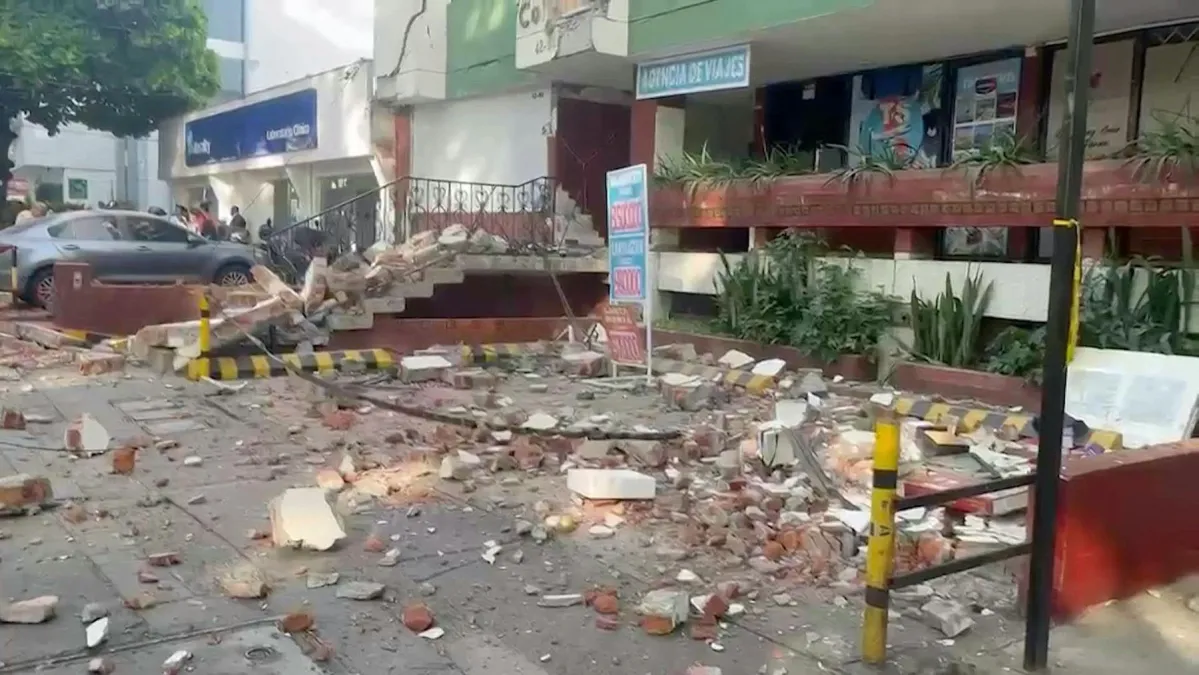
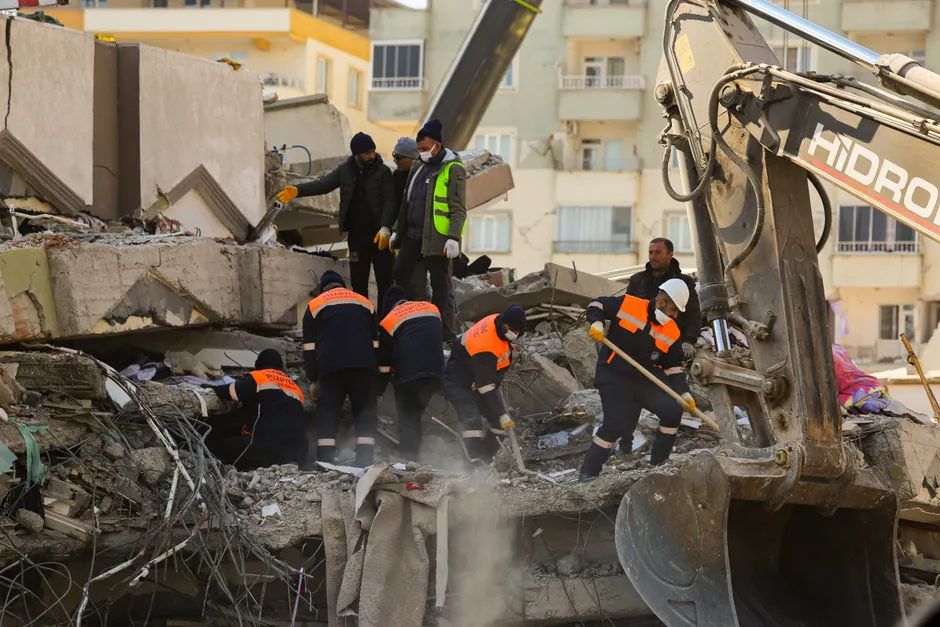
Rescue teams in western Colombia entered what local officials called the "final phase" of their search on August 13. The death toll from the magnitude 7.4 earthquake has risen to 265, with more than 3,500 people hurt. The quake — the strongest to hit Colombia this century — has left nearly 500 people missing and destroyed more than 9,550 homes, according to local authorities. The disaster struck just three days after Abelardo de La Espriella became president, having campaigned on cutting government spending and tightening security.
The cities hit hardest were Pereira, in Colombia's coffee-growing region, where 83 people died, and Cali, the country's third-largest city, where 74 died. Cali's mayor, Alejandro Eder, said Wednesday that rescue operations were nearing their end, though some survivors might still be found. In Pereira, rescue teams using equipment that detects vibrations picked up possible signs of life from a man named Pablo Loaiza, a street vendor who had been trapped under a collapsed bakery since the quake hit.
At the Torres del Limonar apartment complex in southern Cali, residents lined up to pass rubble from hand to hand, working alongside soldiers and city workers to clear the wreckage by hand. The need for this kind of manual labor shows how bad the structural damage is in crowded city areas, where large machines cannot easily get through and collapsed buildings make searching harder.
President de La Espriella promised to set up an emergency fund to rebuild hospitals, schools, homes, and infrastructure (roads, bridges, power lines, and other basic systems). He also declared an "economic emergency," which is a special legal step that lets a government move faster than usual on spending during a crisis. But he did not give specifics on what either measure would actually involve. For now, both the fund and the declaration are promises, not money spent.
This is where the disaster runs into a political problem. De La Espriella won a close election against the candidate from the previous leftist government by promising to spend less public money. Tiziano Breda, a senior analyst at ACLED, a group that tracks conflicts and disasters, said the earthquake is the new president's first real test. That is because his campaign platform included cutting the budget of the state's risk management unit, the agency now in charge of the emergency response.
The bigger picture is a clash between two opposing pressures. A government elected to spend less now has to rebuild hospitals, schools, and housing across several major cities. The agency leading that effort is the same one the president wanted to defund. How de La Espriella balances his promise to cut spending with the need to rebuild will shape both the recovery and whether Colombians trust his new administration.
On the international aid front, the organization Direct Relief started sending medical supplies on August 11. That adds to the help on the ground as Colombia's disaster response system faces heavy pressure.
With 265 dead and nearly 500 still missing, the final number is likely to go higher as rescue shifts into recovery. The destruction of more than 9,550 homes, mostly in cities like Pereira and Cali, means rebuilding will take far longer than the immediate emergency response. Once the president spells out what the emergency fund and economic emergency declaration will actually do, it will become clearer whether his government plans to stick with its spending-cut agenda or adjust course. This earthquake has already caused more damage than any other seismic event in Colombia in over 20 years.
A new president and a once-in-a-generation earthquake arriving at the same time means Colombia's disaster system is being judged not just on how well it works, but on whether it can hold up under a government that came into office promising to spend less, not more.