Iran Fires Missiles at Israel: What Happened and Why It Matters

Iran Fires Missiles at Israel: What Happened and Why It Matters
On June 7, 2026, Iran fired multiple missiles directly at Israel in response to Israeli military strikes on Hezbollah facilities in Beirut. Videos and satellite imagery captured the moment — rockets and Israeli air-defense systems lighting up the night sky at the same time, according to The New York Times and Reuters.
This was Iran's most direct attack on Israel since similar exchanges in 2024. It also puts serious strain on a ceasefire agreement between the United States and Iran that was already fragile.
Why Did Iran Strike Now?
The immediate trigger was Israeli operations ordered by Prime Minister Benjamin Netanyahu. In early June 2026, Israel targeted Hezbollah positions in the southern suburbs of Beirut, a crowded residential area known as Dahieh, according to Reuters.
Dahieh is no ordinary military target. It is where Hezbollah runs much of its administration and command operations — its nerve center, in other words. Striking it is different from attacking weapons depots or forward military positions elsewhere.
Israeli officials say these strikes were necessary to weaken Hezbollah's ability to rebuild its forces. But from Iran's perspective, attacks on Dahieh mean something else: Israel is directly damaging what Iran considers its most important ally in the region and a central part of how it deters Israeli aggression.
Why Iran Acted Directly, Not Just Through Hezbollah
Iran has built a network of allied groups — sometimes called the "axis of resistance" — that it uses to project power and protect itself without declaring open war. Hezbollah is the strongest link in that chain. When Israel strikes Hezbollah's core operations, Iran sees a threat to its own security blanket.
Think of it like this: if someone keeps punching your security guard, at some point you have to stand up and push back yourself, or you lose credibility with everyone around you. That is essentially what Iran did here. By firing missiles directly, Iran was saying: "Israel cannot keep hitting my key ally without facing consequences from me."
This follows a pattern we have seen before. In April 2024, Iran launched its first direct attack on Israel — a barrage of drones and missiles — after Israel struck an Iranian diplomatic site in Syria. At that time, both sides traded blows and then stopped. The underlying tensions were never solved, though. They were simply paused. What is happening now follows the same script: Israel crosses what Iran sees as a red line, Iran strikes back directly, and the world watches to see if things stop here or spiral further.
The U.S. Ceasefire Is Now at Risk
Complicating all of this is a separate agreement: a ceasefire between the United States and Iran that was supposed to be in effect. AP News reported that the U.S. had also struck Iranian targets around the same time period, and multiple military actions by different sides were putting stress on the agreement.
A ceasefire is a deal to stop fighting, but it does not solve the disagreements underneath. It typically depends on both sides respecting certain unwritten boundaries. Cross those boundaries, and the whole agreement can fall apart.
The question now is whether Iran's missile strikes violated the terms of the U.S.-Iran ceasefire. If the U.S. sees them as a breach, Washington has a difficult choice: respond and risk a much bigger conflict involving three powers, or let it slide and lose credibility. If Iran was careful to frame its strikes as action against Israel only — not against the U.S. — then the ceasefire might survive, though badly weakened.
How Israel Stopped the Missiles
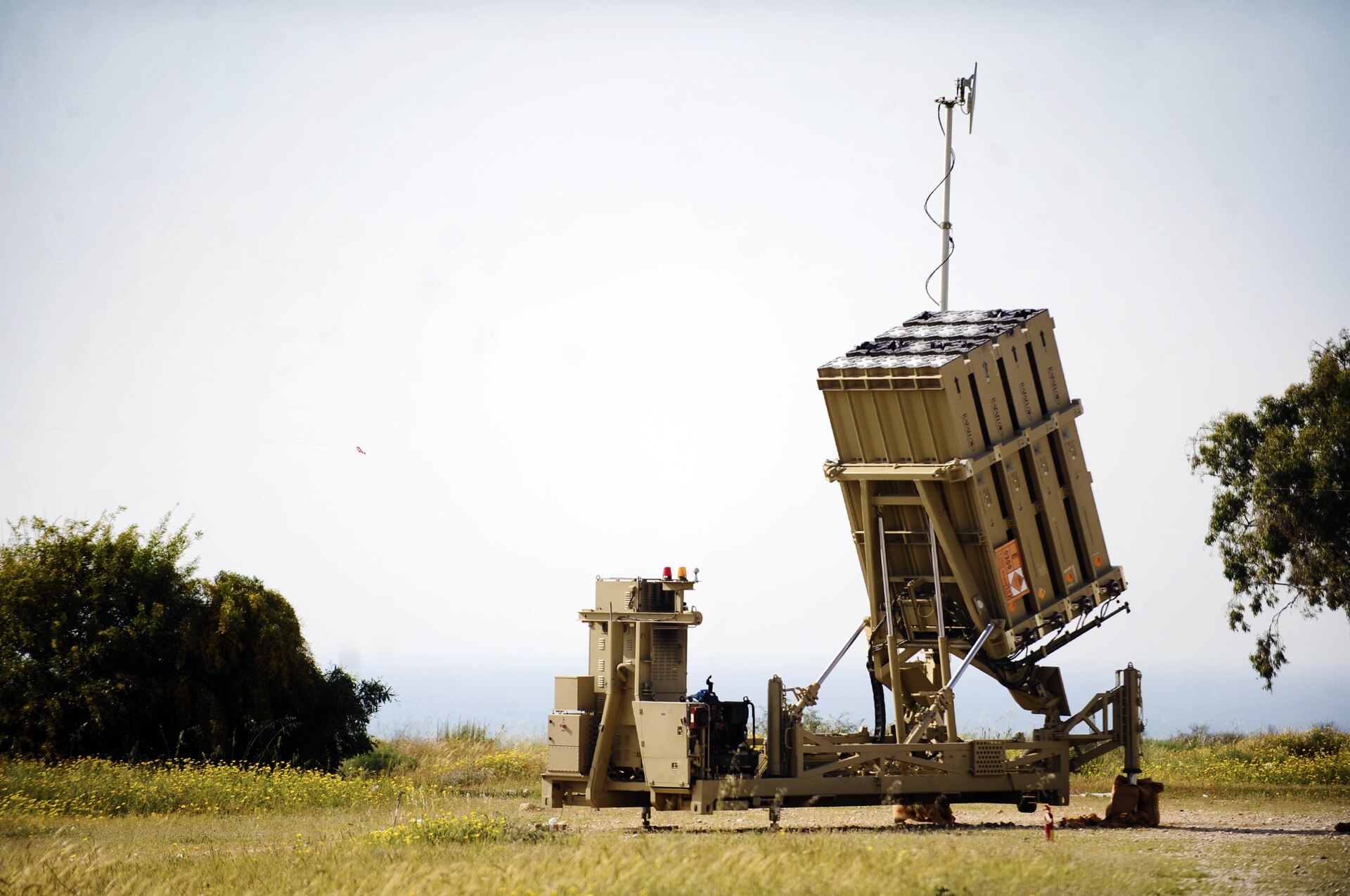
Israel has built a multi-layered defense against incoming missiles, refined through years of confrontations. It uses different interceptor systems for different threats: Iron Dome for short-range rockets, David's Sling for medium-range missiles, and Arrow-2 and Arrow-3 for longer-range ballistic missiles. Videos from June 7 show these systems firing simultaneously as they engaged the incoming Iranian rockets.
Iran has also been upgrading its missile arsenal since 2024, adding features like maneuvering reentry vehicles and decoys designed to confuse interceptor systems. It is not yet clear whether Iran deployed these advanced capabilities in this attack or how effective they were.
What Happens Next?
Several factors will determine whether this escalates further or settles down.
Israel's next move. Prime Minister Netanyahu faces pressure from his coalition government to show strength. Israel could strike targets inside Iran itself — a major escalation — or opt for a more limited response or a pause to allow for diplomatic talks. Each choice carries different risks.
Iran's limits. Iran also has red lines. Large-scale Israeli attacks on Iran's nuclear or energy facilities have long been treated as potential triggers for a bigger response. Short of that, Iran has shown it can absorb Israeli strikes and wait for the next moment to act.
Behind-the-scenes diplomacy. The real action may be happening in private talks between Washington, Tehran, and Jerusalem. Countries like Qatar, Oman, and Kuwait have helped mediate between Iran and the U.S. in the past. Whether those back-channel discussions are active now — and whether they are working — we do not know yet from public information.
Civilians in Lebanon. Beirut's southern suburbs are densely packed with residents. Strikes there carry a serious risk of civilian casualties, which will draw international attention and pressure from European and Middle Eastern partners for restraint.
As of June 8, 2026, the situation is still developing. The missile exchange on June 7 did not resolve anything; it made the underlying tensions sharper. Over the next few days, we will learn whether both sides find a way to step back or whether this marks another rung on a dangerous escalation ladder. Right now, that outcome is genuinely uncertain — and that uncertainty is the most important fact about where things stand.