Israel and Iran Just Traded Military Strikes — Here's What Happened and Why It Matters
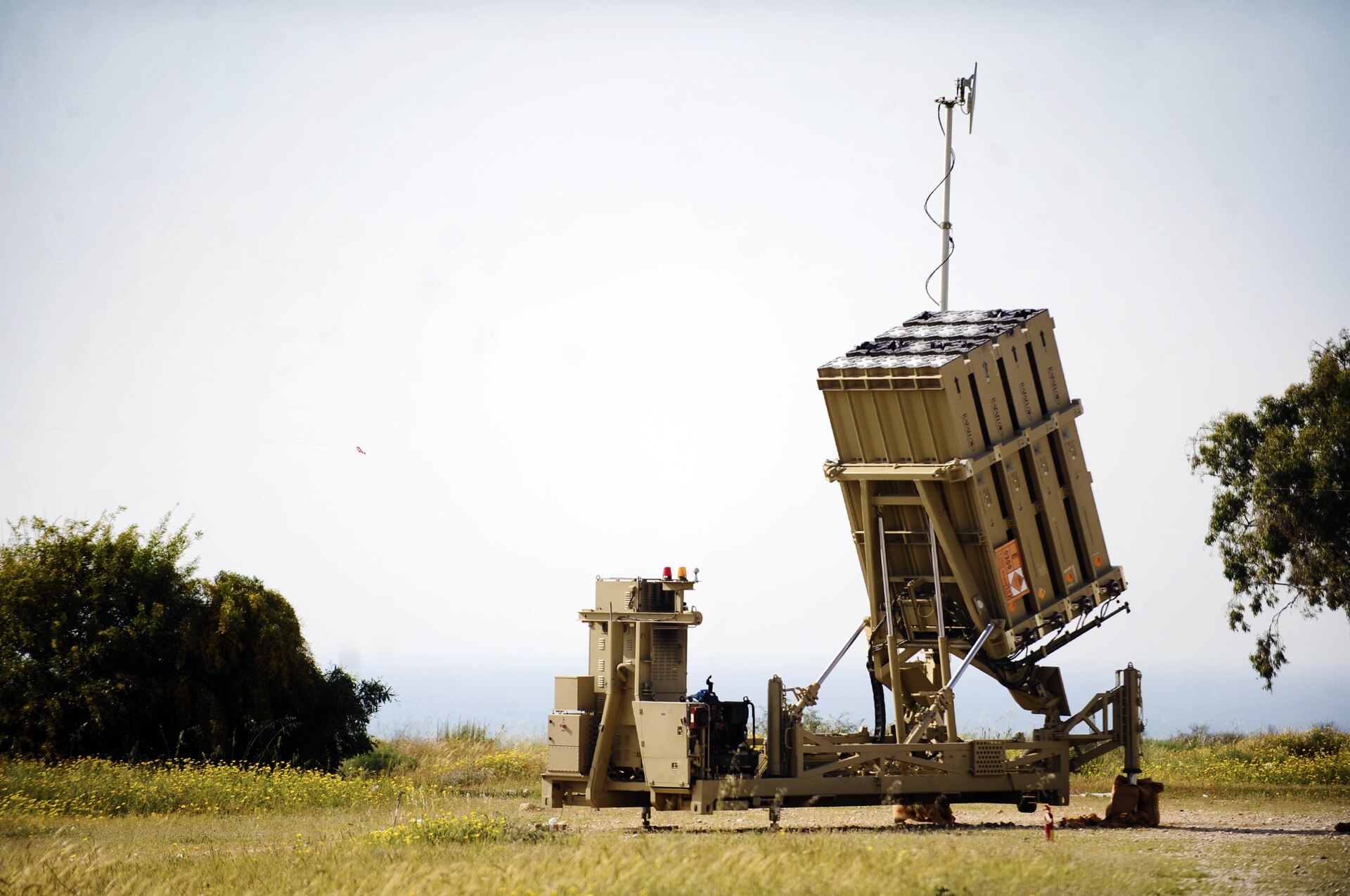
On June 8, 2026, Israel and Iran attacked each other directly for the first time since they had agreed to stop fighting. The violence escalated quickly. It pulled in Hezbollah, a militant group based in Lebanon, and even put a U.S. military base in Saudi Arabia under fire. Within hours, Iran announced it would stop its attacks, according to AP News. But this was not a surprise outbreak of violence — it was the latest move in a conflict that has been building since March 2026.
How We Got Here
In March 2026, Israel and the United States conducted joint military strikes against Iran in an operation called "Operation Roaring Lion." Israel's Prime Minister Benjamin Netanyahu was present at a missile strike site in Beit Shemesh on March 2, according to Israeli government reporting. By March 10, Israel's Foreign Minister sent an official letter to the United Nations Security Council saying Iran had launched ballistic and cruise missiles at Israel, and that Iran had a pattern of hostile operations — both covert and public. This letter set out the official reasons why Israel said it had the right to strike back, per that letter to the UNSC.
What Happened on June 8
On June 8, Iran launched a barrage of missiles toward Israel. Israel then struck back with attacks on Iranian territory, according to Reuters. Iran said its missile launches were payback for Israeli attacks on Iran. Both sides have been using this same explanation — "the other guy attacked first" — throughout this conflict.
The violence did not stay just between Israel and Iran. A U.S. military base in Saudi Arabia came under fire during the same day, according to AP News. No one immediately said who attacked the base, but the timing and context suggested it was part of the broader situation involving Iran and its allies.
At the same time, Hezbollah — a militant group based in Lebanon — opened fire into Israel. Prime Minister Netanyahu ordered the Israeli military to strike targets he said were terrorist positions in Beirut and to target Hezbollah fighters there. Netanyahu published a statement on June 8 saying the response was direct and deliberate. This re-opening of the Lebanon front made the situation more complicated — it was no longer just a fight between Israel and Iran.
The U.S. Role and Confusion
The picture gets murkier when you add in the United States. Two days before the June 8 attacks, on June 6, the U.S. military struck Iranian radar and coastal surveillance systems, according to Iran's Ministry of Foreign Affairs. When the June 8 violence happened, Iran blamed the United States directly. By accusing the U.S., Iran was saying that any peace deal would have to address what Washington did, not just what Israel did, per Reuters.
At the same time, an Israeli official said that Israel stopped its attacks on Iran because President Trump asked them to, according to Reuters. So the United States was doing two things at once: holding back Israel from attacking more, while also attacking Iran itself. This tension shows how hard it is to manage a conflict while keeping up pressure on the other side.
The Pause, Not the End
After the June 8 attacks, Iran's military announced it had stopped its offensive operations, according to AP News. Iran made the same announcement separately, per Reuters. Both sides said they had stopped — at least for now. Neither side admitted it was wrong. Neither side gave up anything. Both just decided to pause.
This pattern has happened before. In January 2020, the United States killed Iranian military commander Qasem Soleimani. Iran fired ballistic missiles at a U.S. base in Iraq, the U.S. did not strike back immediately, and both sides used that moment to step back and declare a kind of victory. Each side could say: "We acted, and then we chose to stop." No real negotiation happened, but no one lost face either.
The mutual pause on June 8 follows the same playbook. But whether it will actually hold depends heavily on what happens in Lebanon. Hezbollah has its own reasons for fighting, and its own pressure from its supporters. That makes this situation less predictable than a simple Israel-Iran exchange would be.
What's Really Going On Here
To understand where this is heading, it helps to separate the different pieces of this conflict.
First is the direct military fight between Israel and Iran — missiles and airstrikes that are becoming more regular than rare.
Second is the U.S. military operation, which is neither fully independent nor fully coordinated with Israel. The June 6 strike on Iranian radar systems might have been meant to weaken Iran's ability to detect and target incoming Israeli attacks. Or it might have been part of a separate U.S. pressure campaign. The reporting doesn't make this clear, so we should be cautious about assuming there was one master plan.
Third is the Lebanon dimension. When Hezbollah fired into Israel on June 8, it either acted because Tehran ordered it as part of a coordinated attack from multiple sides, or Hezbollah independently decided this was a good moment to strike. That distinction matters. It will help determine what happens next.
Fourth is the strike on the U.S. base in Saudi Arabia. This pulled Saudi Arabia into the situation, at least politically. Saudi Arabia has been moving toward normal relations with Israel over the past few years. An attack tied to Iran on Saudi soil puts the Kingdom in an awkward spot with both the United States — its longtime security partner — and with Israel.
The core issue is this: the pause on June 8 is a tactical break in the fighting, not a real solution to the conflict. The big reasons the conflict started in the first place have not gone away. Iran still has a missile program that Israel sees as a threat. Israel still does not want Iranian military forces near its borders. The U.S. is still putting pressure on Iran. And Hezbollah is still armed and ready to fight on Iran's behalf. Each of these things has set off rounds of escalation before, and they could do it again.
Talks between the sides reportedly broke down in early June 2026. Until those negotiations start again and all sides put real effort into finding a deal, the temporary ceasefire could break at any moment. The fragile line of peace that both sides agreed to can only last if there is movement toward a real agreement.


