Gold Just Hit $5,000 an Ounce. Here's Why It Matters.

Gold Just Hit $5,000 an Ounce. Here's Why It Matters.
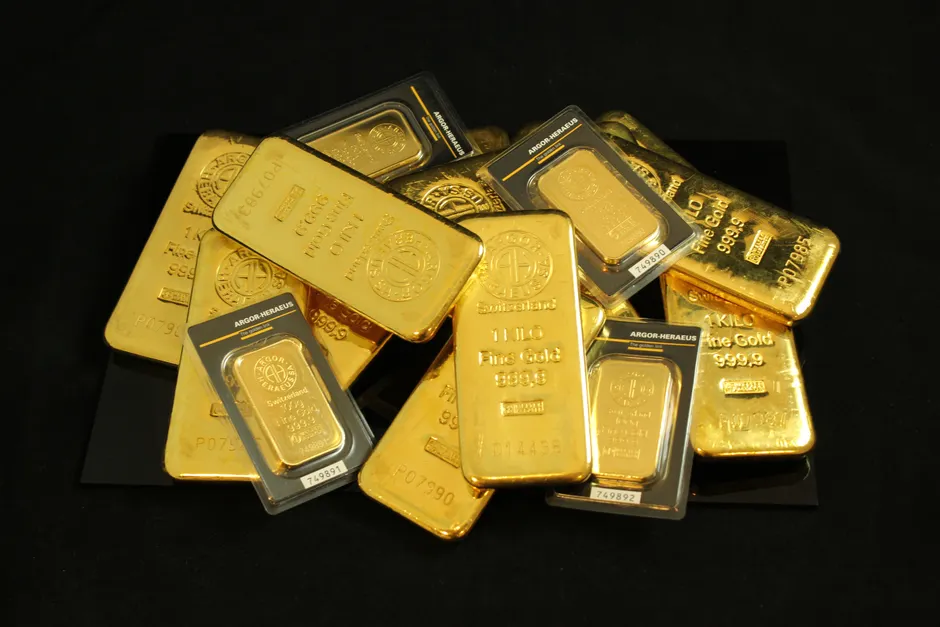
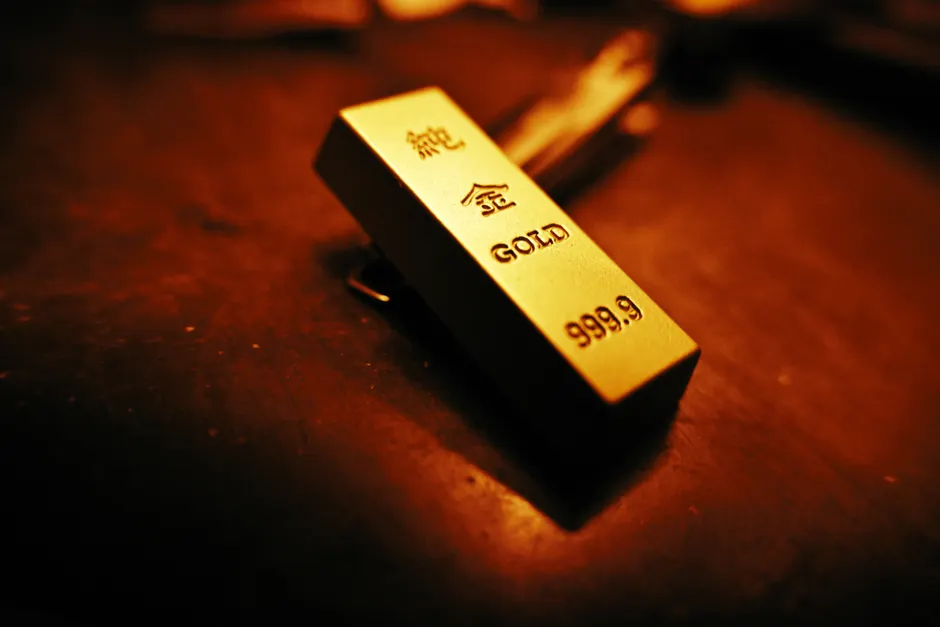
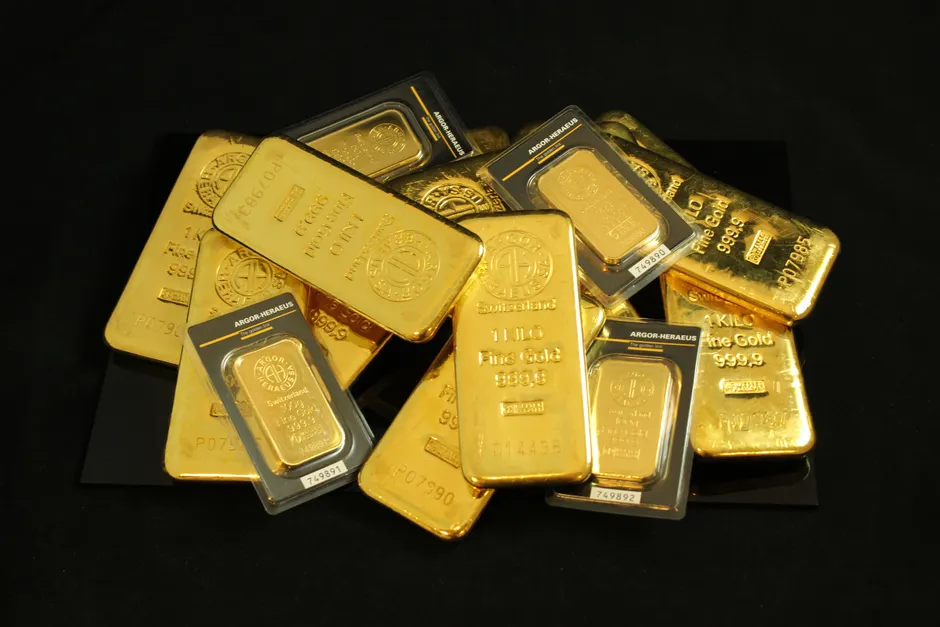
Gold has just crossed a milestone: it traded above $5,000 per troy ounce for the first time ever. Futures contracts settled at $5,035.50, down slightly for the day, while the spot price (the current market price) recovered to $5,019.10, according to Yahoo Finance.
Two years ago, this would have seemed impossible to most investors. But here we are.
Why Did Gold Rally, and Why Did It Pause?
The immediate reason gold edged down from its high is worth understanding: interest rates. The Federal Reserve — America's central bank — is expected to keep interest rates steady at 3.50% to 3.75%. When rates stay high, investors can earn solid returns from safer bets like Treasury bonds and money-market accounts. Gold, by contrast, pays you nothing. So when rates are attractive, money flows away from gold toward these yield-bearing alternatives.
The broader picture is more complicated. Rates of 3.50% to 3.75% are high compared to most of the decade after the 2008 financial crisis, when rates were near zero. That earlier period trained a whole generation of investors to believe rates would stay low forever. Today's higher rates create a headwind for gold.
But other forces have been pushing gold higher for years: concerns about inflation, government debt levels, geopolitical tensions, and the fact that central banks in Asia and the Middle East have been buying gold to reduce their reliance on the US dollar. Those forces haven't gone away just because rates are elevated.
The Real Rate That Actually Matters
Here's a technical point worth getting right, because it shifts how you should think about gold and interest rates. Investors don't really care about the nominal rate — the headline number of 3.50%. They care about the real rate: the interest rate minus inflation.
Think of it this way: if you can earn 3.50% in a Treasury bond but inflation is eating away 3% of your money's value each year, your actual gain is only about 0.50%. That's not much of a draw compared to gold, which doesn't yield anything but also doesn't lose value to inflation.
Right now, inflation is still sticky — it hasn't fallen as much as some hoped. That means the real rate (rates minus inflation) isn't as painful for gold as the 3.50% headline figure alone would suggest. This ambiguity is part of why gold has stayed above $5,000 even as the Fed holds firm.
What One Bank's Move Tells Us
United Overseas Bank recently upgraded gold from a "Neutral" rating to "Overweight" in its quarterly outlook. This sounds technical, but what it means is: we think gold is a good bet for the next few months. The bank cited retail demand and an expectation that interest rates could fall. UOB's report reflects a view that is becoming more common among major wealth managers: that gold's longer-term case — driven by central bank buying and the shift away from dollar dominance — is strong enough to weather short-term rate-driven selloffs.
One bank's rating change doesn't move markets. But it is a sign that institutional investors — the big players who manage trillions — are repositioning themselves. When major analysts who ignored gold for years suddenly say "buy more," it usually means the smart money has already moved. The upgrade comes late, not early.
We've seen this pattern before. In the 2000s, gold was cheap and dismissed. By the time Wall Street upgraded it around 2011, prices had already tripled. The current cycle looks similar: years of indifference, followed by a rush of upgrades as prices hit new highs. That doesn't mean the trade is wrong, but it's a reminder that smart investors should be asking whether they're entering early or late.
Is $5,000 Technically Important?
For gold, round numbers like $5,000 matter less than they do for stock indices, where computer algorithms and options contracts create genuine barriers. In gold, $5,000 is mostly psychological — it looks impressive in headlines.
The more important question is whether gold can hold above $5,000 with steady buying, or whether it bounces down. The fact that spot prices recovered during the same day that futures closed lower is a mildly positive sign — it suggests physical buyers stepped in after a dip. But one day's price action isn't enough to tell you much about where gold is heading.
Your Portfolio at $5,000 Gold
If you own gold as part of a diversified portfolio, the $5,000 level changes the math. A 5% gold allocation looked sensible when gold was $1,000 per ounce — it was a small, steady hedge. At $5,000, that same allocation is worth five times as much, which means it carries five times the downside risk if gold falls. If you're a serious investor using risk frameworks, you may need to reconsider how much gold you're holding.
Also worth considering: Treasury bonds now offer 3.50% to 3.75% interest, which is genuinely competitive. For investors who need steady income or have promises to keep (like pension funds), the case for holding fewer ounces of gold and more short-term bonds is stronger than it has been in years. This doesn't erase gold's longer-term appeal, but it's a legitimate tradeoff to evaluate.
The Fed Still Holds the Keys
In the near term — the next two to four quarters — gold's direction depends almost entirely on what the Fed does. If rates start falling, even by a quarter of a percentage point (25 basis points), real yields drop and gold becomes more attractive. If the Fed signals it will hold rates steady or raise them further, real yields climb and gold faces headwinds.
Right now, with futures trading slightly below spot prices, the market is genuinely uncertain. That's the honest answer. Anyone who tells you with certainty where gold will be in six months is guessing.
The Longer View
Gold at $5,000 is part of a bigger story about the dollar's place in the world economy, government debt levels, and whether central banks will keep diversifying away from US Treasuries. The Fed's current interest rate policy is just one chapter. The rate-driven pullback that coincided with the $5,000 milestone is a reminder that even assets with strong long-term support experience short-term swings.
For anyone with gold in their portfolio, the discipline now is clear: don't confuse the longer-term case for gold — which remains solid — with today's price. At $5,000 an ounce, you should think harder about entry points than you did at $4,000.