Ford Is Spending $2 Billion to Build an Affordable Electric Truck in a Radically Different Way
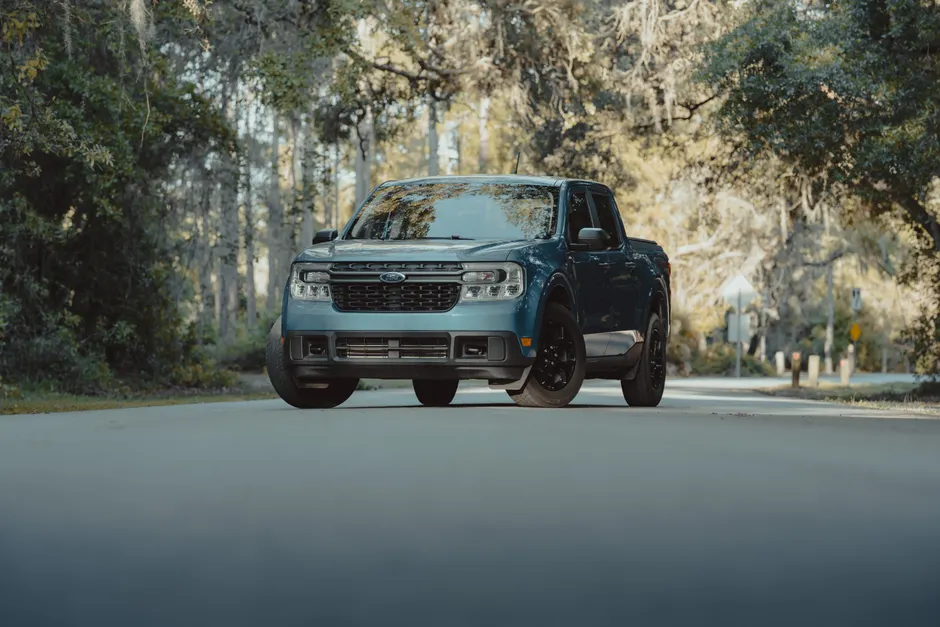
Ford confirmed on August 13, 2026, that its $2 billion overhaul of the Louisville Assembly Plant in Kentucky remains on schedule. Prototype versions of the Fathom — an all-electric midsize pickup truck priced below $30,000 — are set to begin in the first quarter of 2027, with customer deliveries to follow later that year TechCrunch.
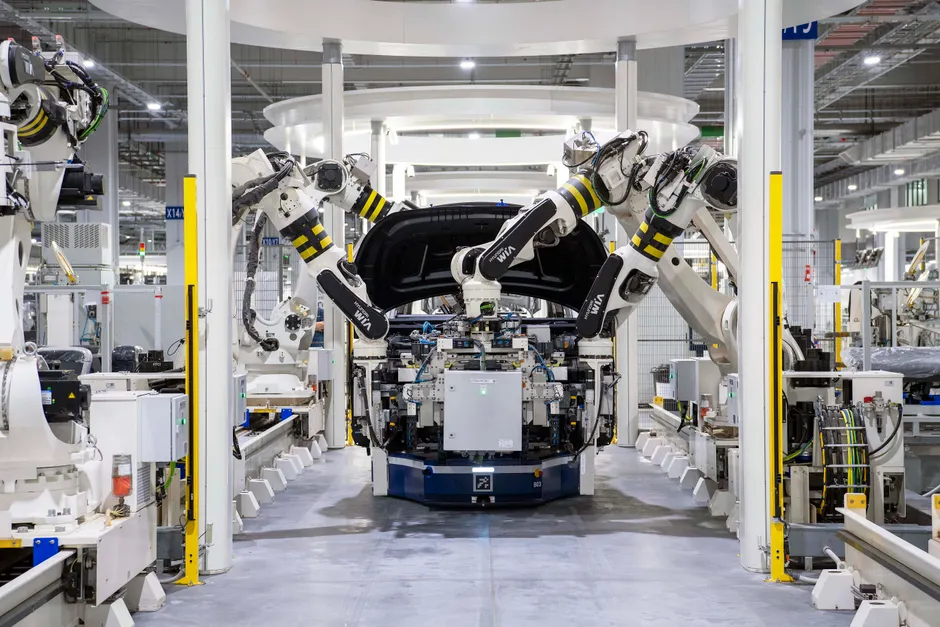
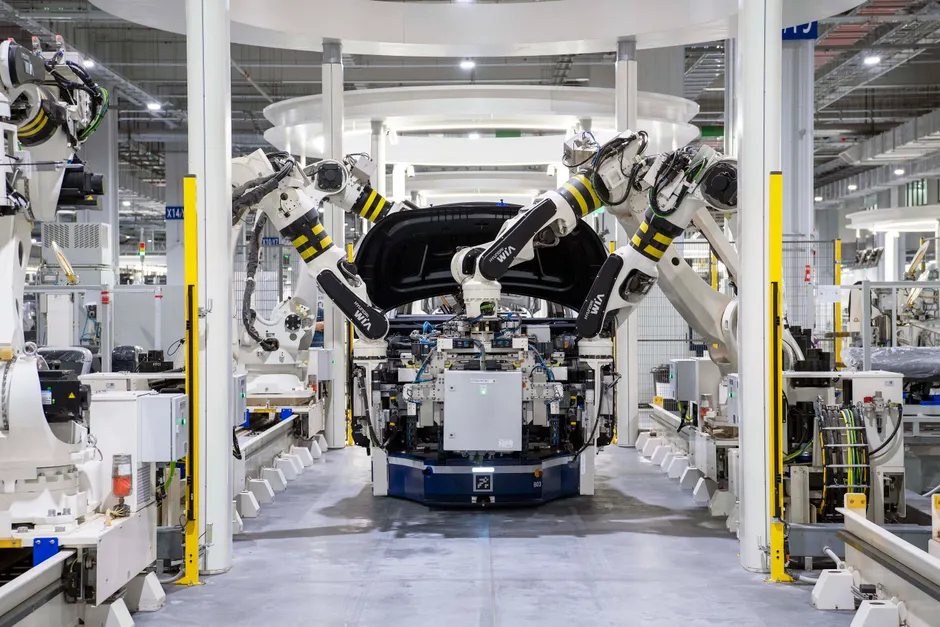
The 3-million-square-foot Louisville plant has been gutted and reconfigured around what Ford calls a "universal production system." This replaces the conventional moving assembly line the company has relied on for over a century TechCrunch. The system was developed by an internal skunkworks team — a small, fast-moving group operating outside the company's normal structure — led by former Tesla executive Alan Clarke. Ford is already testing production-level tooling ahead of the Q1 2027 prototype builds TechCrunch.
For over a hundred years, car factories have used a moving assembly line: every part travels down a single conveyor belt, getting added one by one until the car is finished. Ford's new system works differently. Instead of one long line, it uses three separate branches. Large single-piece aluminum castings allow the front and rear of the vehicle to be built separately. A third branch assembles the battery pack, seats, consoles, and carpeting. The three branches then come together for final assembly. Ford said this approach reduces assembly time by 15% compared to the vehicles previously built at Louisville TechCrunch.
Ford nearly tripled its Wi-Fi access points at Louisville to 1,080 nodes across the facility TechCrunch. That increase suggests the new production system relies heavily on real-time data exchange between tools, partially built vehicles, and factory-floor management systems. This is common for flexible assembly setups where workstations are not fixed along a single conveyor and need to coordinate with each other on the fly.
Ford employees have spent months training on the new system at the company's New Models Program Development Center in Allen Park, Michigan, before the Louisville line goes live TechCrunch. The Allen Park facility serves as a dry run for the processes, tooling, and workstation setups that workers will encounter in production.
The Fathom is the first EV built on Ford's new universal platform, and its sub-$30,000 price point positions it in a segment where affordable EV options have been scarce. The combination of a brand-new platform and a restructured manufacturing approach is Ford's bet that building an affordable electric vehicle depends as much on how you build it as what you build.
The three-branch approach matters because it gives Ford flexibility. If battery pack availability slows things down, the front and rear body branches can keep building their parts rather than stalling the whole line. That kind of flexibility has been a stated advantage of cell-based manufacturing in the car industry, though real-world speed gains depend on how smoothly the three branches come together at the end.
Using single-piece aluminum castings also reduces the number of parts and welds needed to build the vehicle's frame. Fewer parts mean fewer chances for things to be slightly off-size. The trade-off is that these castings require expensive upfront tooling, and changing the vehicle's shape later means rebuilding those tools. That matters less for a single high-volume model but could make sharing the platform across differently sized vehicles more complicated.
Ford's claim of 15% faster assembly time is a target figure tied to the system's design, and the gap between building prototypes and running at full production volume is typically wide. The Allen Park training will help close that gap, but the true measure will come when Louisville is running at full volume rather than during initial prototype builds in Q1 2027.
The broader context here is that several automakers have been quietly rethinking how they build cars for the electric era, and Ford's Louisville rebuild is one of the most concrete, well-funded examples to reach the prototype-build stage. Whether the universal production system delivers on its speed targets at scale will be a data point the entire industry watches.