Ford's New Electric Truck Costs Less Than $30,000 — Here's What You Get
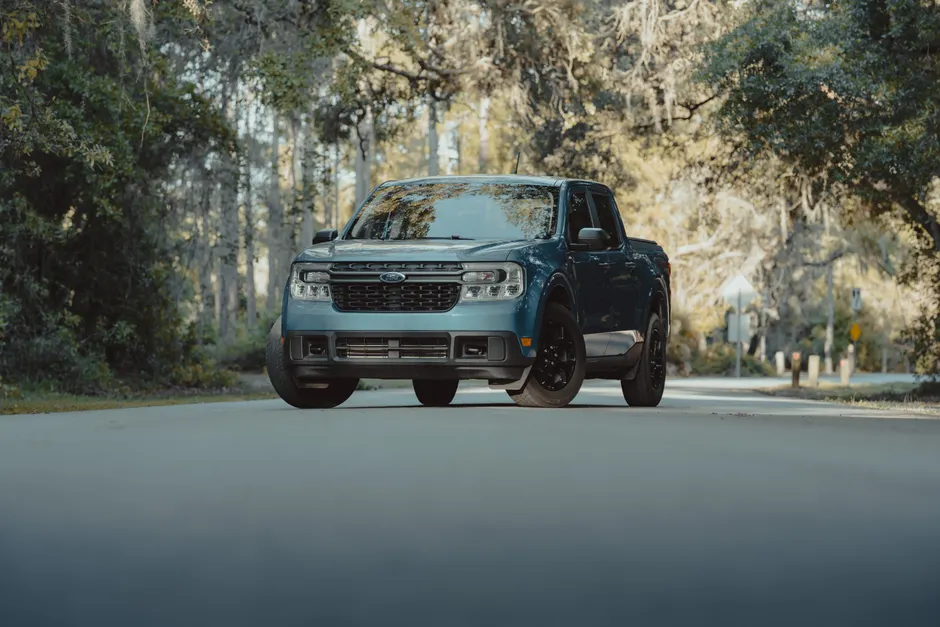
Ford has unveiled the Fathom, a midsize electric pickup truck with a starting price of $28,350. That makes it the company's first electric vehicle priced under $30,000. The Fathom will be built at Ford's updated Louisville Assembly Plant starting next year, with deliveries to customers before the end of 2027. Pre-orders open early next year. The Verge
For comparison, the starting price is about half the cost of Ford's existing electric truck, the F-150 Lightning. It also comes in slightly below the $30,000 target that Reuters had previously reported for Ford's first affordable EV. Ford had signaled its intent to pursue smaller, more affordable models as it delayed two next-generation electric vehicles — a pickup and a van — to 2028, and pushed the F-150 Lightning successor to the second half of 2027. Reuters
The Fathom is designed as a fully featured vehicle, not a bare-bones model. The base version includes a large, high-resolution touchscreen with built-in Apple Maps, and supports both Android Auto and Apple CarPlay — the two systems that let you mirror your phone's apps on the car's screen. Ford's decision to keep both is notable at this price, since some competitors have dropped CarPlay in favor of their own systems.
On the hardware side, the base Fathom aims for more interior space than a Toyota RAV4, along with an open truck bed and a frunk — a front trunk, the storage compartment under the hood where a gas engine would normally sit. All the sensors needed for Ford's hands-free Blue Cruise driving system are included on the base model, but turning the feature on costs extra. Blue Cruise is priced at $2,495 as a one-time purchase or $495 per year, which would bring a fully equipped Fathom with hands-free driving to roughly $30,845.
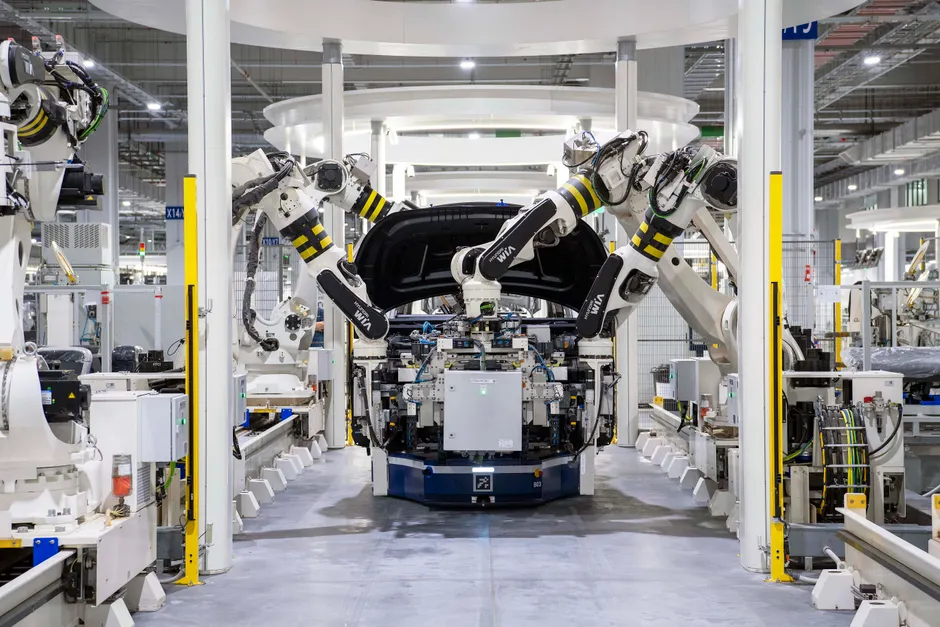
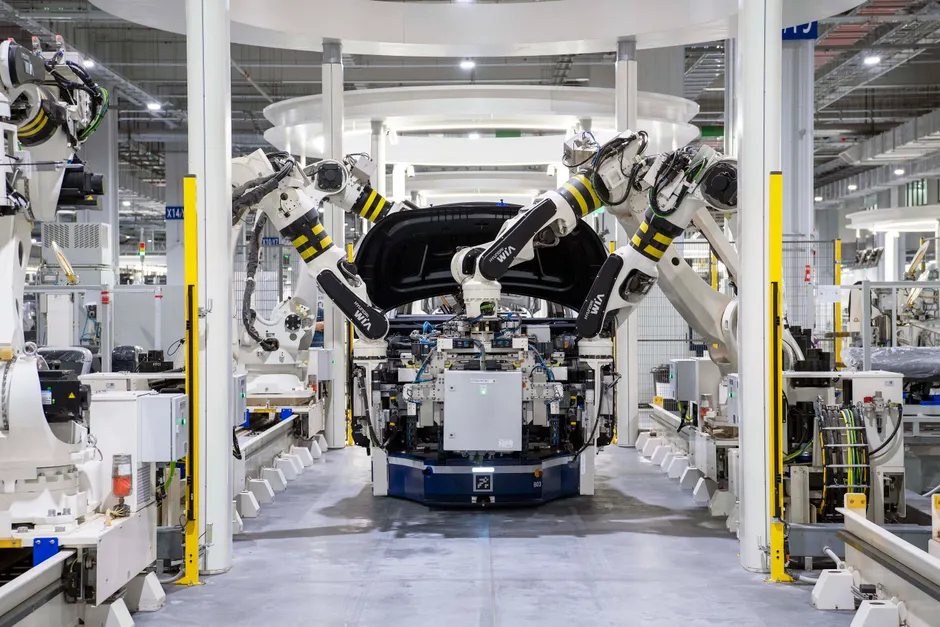
The manufacturing approach is where the Fathom stands out. Most cars are built on a single assembly line, going from start to finish in order. The Fathom uses a new platform called UEV (Universal Electric Vehicle), where the front, rear, and middle sections of the vehicle are built at the same time on separate lines and then joined together at the end. Ford says this should cut assembly time and make it easier to update different parts of the vehicle independently. The company has not yet said what other models might share this platform.
The broader context here matters. Ford took a $19.5 billion charge as it pulled back from EVs amid Trump administration policy shifts, and had planned to price the first model from its low-cost EV team at about $30,000 with sales beginning in 2027. Reuters The Fathom, at $28,350, comes in below that internal target and ahead of the 2027 sales window, though only marginally — deliveries are scheduled before the end of that year.
For the EV market, the Fathom puts an electric truck with full features into the price range where people currently buy mainstream compact crossovers and mid-level gas vehicles. The RAV4 comparison works not just for interior space but for the buyer Ford is targeting: someone shopping for a $28,000–$30,000 gas vehicle who has not previously considered going electric.
Ford's decision to include Blue Cruise sensors on the base model but charge extra to turn the feature on is a familiar pattern in consumer electronics — ship the hardware, sell the software later. Whether buyers at this price point will pay $495 per year or $2,495 up front for hands-free driving is untested in a segment where every dollar of margin matters.
What the Fathom ultimately enables is a real electric option in the price range where EV adoption has been slowest to take off. The parallel-assembly platform, if it works at scale, could give Ford a cost advantage that extends beyond this single model. Those are significant unknowns, hinging on a plant still being retooled and a platform that has yet to build a single production vehicle. The timeline — pre-orders early next year, production next year, deliveries before the end of 2027 — leaves little room for delay in an industry where delays have been common.